1932 and the brigade’s first dedicated breakdown lorry pictured at the Southwark headquarters station.
Unlike the canteen van, there was only ever one breakdown lorry in the brigade fleet at any one time. They remained at the headquarters stations, firstly Southwark and then Lambeth, until the opening of the new Clapham fire station in 1960, when Lambeth’s breakdown lorry was transferred to the D Divisional HQ-D60.
The originals of the breakdown lorry can be traced back to Arthur Dyer, the Chief Officer of the LCC-LFB. (1918-1933). The advent, and progress, of the motorised fire engine brought both improvements and challenges to Dyer. Quicker and more efficient than their horse drawn counterparts Dyer realised he had too many fire stations and in the 1920s he closed 20 of them. The petrol driven appliances were also subject to the occasional mechanical failure and Dyer authorised the adaption of a Brigade lorry to act as the first breakdown lorry which could return the vehicles to the Southwark mechanical and vehicle workshops. However, the lorry also carried other lifting equipment, most notably a large lifting tripod, which could be deployed at the increasing number of special-service calls the Brigade was expected to deal with.
1936. The Morris designed Brigade breakdown lorry undergoing trials at the Southwark headquarters station yard.
His immediate successor (Major Cyril Morris. MC.) was largely responsible for the reorganisation and re-equipping his Brigade during his tenure (1933-1938). Among his many innovative designs (and introductions) was a purpose-built breakdown lorry-BYV 317. With a crew of two and based at Southwark, in addition to its vehicle recovery role, it also attended major accidents and supplemented the emergency tender crews with its heavy hot-cutting equipment.
The London Blitz and the breakdown is used to moved heavy debris following enemy bombing in south London.1948 and Lambeth’s breakdown lorry is a major feature in the Brigade’s involvement in the Lord Mayor’s Parade in the City of London.1955. The breakdown lorry captured in its operational role at a north London road traffic accident.
Transferred to the new Lambeth headquarters in 1937 the breakdown provided valuable service during the Blitz, assisting at the scenes of enemy bombings, and lifting/moving heavy debris. Not adverse to public outings it was a regular feature in the Lord Mayor’s Parades in the City of London.
Chief Officer Frederick Delve had guided the Brigade through the latter WWII years and was now overseeing the Brigade’s return to local authority control (London County Council). Delve gave a contract to Dennis of Guildford to provide the brigade with a new breakdown lorry-SLD 661. It became an important tool in the Brigade’s ability to deal with the aftermath of road traffic accidents, especially those involving heavy vehicles.
The breakdown lorry in its new home at Clapham fire station. Old Town,1962. A regular call for the breakdown lorry was the recovery of crashed vehicles following road accidents.
Transferred to Clapham fire station on its opening (D60) it never made it to the creation of the Greater London Council. In 1964 it broke its back when the jib failed to go under an RSJ when on towing duties. It fell to Dennis to supply the Brigade’s last breakdown lorry-314 FLM. It maintained the five-ton capacity crane and a two-ton hydraulic winch.
Clapham’s new breakdown lorry (314 FLM) getting to work in the Old Kent Road. South London.
The breakdown lorry was not the busiest of appliances but they carried a talented crew. Trained in hot cutting and the limits of their equipment’s capabilities they were frequently a great asset to any officer in charge with the knowledge and skills they brought to the scene.
The London Fire Brigade breakdown lorry never made into the 1980s. It was withdrawn from service at the end of the 1970s and not replaced.
Certainly, within the City of London and that of adjoining Westminster fire cover had, since the early 1700s, been the prerogative of the private independent insurance companies. It remained that way until 1832. In that year the majority of insurance companies combined their forces, forming the London Fire Engine Establishment (LFEE), a single fire brigade made up of those previously independent.
The amalgamation of the Insurance brigades helped to remove some of the chaos, reportedly, frequently occurring at fires. Whilst the LFEE remained a private body, it was nevertheless recognised as the public fire service for the London area. An advert running on 1 January 1833 announced its goal was to provide better fire protection to the inhabitants of the Metropolis. But in 1862, when John Drummond, Esq., Managing Director of the Sun, and Chairman of the Committee for Managing Fire Extinctions, was questioned on the ‘principles on which the LFEE had been formed’ he replied ‘solely for the protection of the offices; it is an association of nearly all the offices in London’ (House of Commons, 1862).
James Braidwood, a Scot, led a force that consisted of 80 watermen and had 17 land and two river stations. The now Superintendent Braidwood, who had previously run the Edinburg brigade, brought with him formal training programs for his new firemen. He also required that they have working knowledge of the district to which they were appointed. However small the LFEE was considered to be a very efficient organisation at the time. But, according to the Phoenix Assurance and the Development of British Insurance, the large insurance offices did not consider the protection the Brigade provided adequate for the City of London. They preferred fire protection to be publicly provided. London was expanding rapidly. The cost of protecting the metropolis from fire in 1833 was £7,988. By 1865 the cost had risen to ₤26,005.
James Braidwood-appointed the Superintendent of the London Fire Engine Establishment. 1833.
The Insurance companies were becoming acutely aware of the financial strain of fire protection. They sought opportunities to rid themselves of this burden. The insurance companies, involved in the LFEE, expressed their concerns over shouldering the duty of fire protection, therefore relieving the government of this duty. In a letter to the acting Prime Minister, and following the fire in which the Palace of Westminster (Houses of Parliament) was almost totally lost, they cited concerns were the failing conditions of the parochial engines and possibility of an insured property and an uninsured property catching fire at the same time.
Although the Insurance companies were willing to provide services to all in need, they were responsible only to their employers and through them to those purchasing insurance. Therefore, Insurance companies were not required to provide assistance to uninsured property, including public buildings. The insurance companies explained ‘….if during the late conflagration at Westminster, any insured property in danger, or any simultaneous fire or fires in other parts of the town, had imperatively called upon the Superintendent to devote the service of the engines elsewhere, Westminster Hall and the public property adjoining must have shared the fate of the two Houses of Parliament’.
The acting Prime Minister replied indicating ‘…the interference of Government would be productive of little benefit, while it might and probably would relax those private and parochial exertions which have hitherto been made with so much effect and so much satisfaction to the public’. The LFEE continued to supply fire protection to London for the next 30 years.
Braidwood wrote to the Commissioner of Public Works in 1854, to highlight his concerns with the safety of a particular warehouse being built on Tooley Street, which was too large and did not have the necessary fireproof measures in place. He wrote: “The whole Building, if once fairly on fire in one floor, will become such a mass of Fire, that there is no power in London capable of extinguishing it, or even of restraining its ravages on every side and on three sides it is surrounded with property of immense value.” Time would sadly prove the accuracy of James Braidwood’s warnings.
With London expanding, and the cost of fire-fighting growing, insurance companies struggled to continue to provide the service. It was clearly not a profitable endeavour for them. They were paid to provide insurance not to fight fires. The cost of offering fire protection now outweighed the benefit to them. Furthermore, because insurance companies were paid to provide insurance, an incentive existed for the offices to protect insured homes. An issue could certainly arise if both an uninsured property and insured property caught fire at the same time. The insurance companies would focus on the insured property and the uninsured would follow after.
A manual pump is being worked by volunteers whilst firefighters from the London Fire Engine Establishment (LFEE) direct their efforts and fight the fire.
There was no incentive for insurance companies to correct this problem because they were not paid to fight fires. The government however felt the services provided were adequate and turned its attention elsewhere. In 1836 The Royal Society for the Protection of Life from Fire was formed. It followed in the footsteps of the Fire Escape Society (1828), an organisation set up by philanthropists in reaction to the high death rate in domestic property fires. The Royal Society for the Protection of Life from Fire provided escape ladders at fires, working alongside the LFEE to protect the citizens of London from fire.
The Royal Society for the Protection of Life from Fire provided escape ladders at fires, working alongside the LFEE to protect the citizens of London from fire.
Pre the LFEE London parish pumps, volunteer firemen and individuals owning and operating firefighting equipment continued to exist. Parishes while, perhaps, providing some assistance at fires had not improved the condition of their equipment. Volunteers continued to supplement the private brigades’ coverage, providing a great assistance to Braidwood and his force that were responsible only for the insured property located primarily in the centre of London. Despite having concerns about the fire service brought to its attention, the government declined to become involved.
Braidwood was killed in 1861 at a fire in Tooley Street. His death was said to have created confusion and disorganisation at the fire since there was no one appointed to lead in his absence. Further, the economic implications of the fire were profound. It cost the insurance companies over £2,000,000. The Insurance companies attempted to raise premiums, some by as much as 300 per cent. This created a loud response from both merchants and other business men who believed the size of increase was unjustified.
The insurance companies tried yet again to relinquish their fire-fighting duties. In a letter to the government, insurance companies note that ‘without any public authority whatever it [the LFEE] has for nearly 30 years extinguished the fires which have occurred in the metropolis and surrounding districts without inquiry and without charge’. The insurance companies pleaded for reconsideration of the state of the fire service: ‘In the opinion of the Committee such an increase in the number of fires and in the expenditure incurred, rendered a reconsideration of the whole subject imperatively necessary, more particularly as they were satisfied that a system for the extinction of fires which might formerly have been adequate for the metropolis, has now become very insufficient for its present greatly extended limits’ (House of Commons, 1862).
In response to the post Tooley Street uproar, a Select Committee was established to evaluate the system of fire protection in London. The Committee interviewed many witnesses to prepare its report discovering among other things that the insurance companies had been operating at a loss for some time. When John Drummond, Esq., Managing Director of the Sun was questioned regarding premiums he indicated that competition was such a factor that he doubted an increase could be carried into effect. Drummond was also asked why the insurance brigade (LFEE) would pay for fire extinction at all houses, to which he replied: ‘There is no reason why we should do so; we do so on the principle that it is our interest to put out every fire; that this house may not be insured, but that the next may, and that the one not insured may set fire to the other’ (House of Commons, 1862).
The report produced from the Committee noted that the insurance companies had agreed to supply fire suppression ‘so long as the expense was moderate’; however, the cost of the duty had now grown to a ‘magnitude’ which the insurance companies believed ‘they cannot continue to bear’. The report noted that of the £900,000,000 of insurable property only about £300,000,000 was actually insured. The final report also noted that the LFEE ‘as far as their means would enable them, have performed most ably and most efficiently. It has, however, been equally admitted by every witness that the present scale of their staff, engines, and stations is totally inadequate for the general protection of London and its immediate vicinity from the dangers of fire. This detail was admitted by the new Superintendent of the brigade, one Capt. Eyre Massey Shaw. (Appointed after Braidwood’s death.)
However, the Committee concluded that they consider the LFEE efficient for the protection of that part of London where the largest amount of insured property is located. They had no desire, or intention, to add to their expense by placing additional fire stations in situations where, if a fire occurs, it is not likely to cause such comparative injury to the offices as if it occurred in the water-side warehouse near the City. The final report from the Select Committee, and the details leading up to it, shed more light on why the insurance companies fought so hard to relinquish the duty of fire protection. The recurring argument that the cost of firefighting was rising significantly and the Insurance companies were not getting paid to fight fires.
There was a severe free-rider problem because of the difficulty of excluding uninsured properties. Premiums on the one-third of property in London that was insured were covering the cost of fire protection for the remaining uninsured two thirds. Even if competition had not impeded the implementation of increased premiums, it would have only affected those individuals already paying for the service. To operate profitably the insurance companies would have needed to find a way to charge individual home owners for fire protection, separate from the charge associated with insurance.
Watling Street. Location of the headquarters station of the London Fire Engine Establishment. 1833-1866. (It also remained the headquarters station of the Metropolitan Fire Brigade until a new headquarters was built for Capt. Shaw. It was opened in 1878 in Southwark Bridge Road. SE1.)The Watling Street headquarters and fire station. City of London. (Picture credit-London Fire Brigade.)
Alternatively, insurance companies needed to find another body to assume the duty of fire protection. Following the Report an Act was passed in 1865 to transfer fire protection into the hands of the Metropolitan Board of Works (MBW), a public authority. Public provision of fire protection began in London on 1 January 1866. The new Metropolitan Fire Brigade was created. With it a new post too, that of Chief Officer, the first being Capt. Shaw. The Insurance companies and parishes were officially relieved of their fire-fighting duties. Both were required, however, to contribute monetarily to the new public brigade. Insurance companies were mandated to pay at a rate of ₤35 per million gross insured (House of Commons, 1862). Those previously providing brigades were now required to pay for the service. In addition, insurance companies remained actively, and voluntarily, involved in monitoring the efficiency of the new institution. They served up recommendations for improvement of the fire service, including the development of several smaller stations versus fewer larger stations. Still with insurance cost concern the Insurance companies also formed the London Salvage Corps and in doing so deprived the new brigade of some its former firemen!
In addition to assuming the firefighting duty, the MBW through the MFB, also took on the services previously provided by the Royal Society for the Protection of Life from Fire. This transfer was driven by the Society which had experienced a drop in income. Additionally, the parishes which were now paying for fire protection believed protection of life should be included as part of their payment. The MBW eventually succumbed and took over the duty.
The transfer of firefighting from the private to public sector was not without difficulties. The financial situation was dire. The budget set for the brigade was tight and borrowing power of the MBW was restricted. The MBW received funds from the parishes and the insurance companies, as well as the government. Yet, financial troubles ensued. The new brigade had difficulty taking over mortgages of existing stations from the insurance companies, not to mention the need to build new stations where no coverage had been in place.
1866-Firemen of the Metropolitan Fire Brigade Camden station.
The working conditions for the firemen worsened under the MBW Firemen were forced to work longer hours, and in uncomfortable settings. Pay and funds provided in the event of a loss were slashed: the LFEE had paid families of those lost ₤10 to cover funeral expenses, but the Board paid only £5. The MBW faced a serious manpower issue, fuelled by the small budget and the growing metropolis.
The early years for the new Chief, Capt. Shaw, were challenging to say the least. On its very first day the MFB faced its first major blaze at St Katherine’s Dock. In truth it was still the old brigade with just a new name. But in the years that followed Shaw moulded a brigade that became the leading fire brigade in the civilised world.
Until 1937, the headquarters of the London Fire Brigade had been located in Southwark Bridge Road. In July of that year His Majesty King George VI, accompanied by Queen Elizabeth, formally opened the new headquarters at 8 Albert Embankment.
His Majesty King George VI inspecting men of the London brigade at the official opening in 1937. The Chief Officer, Major Morris. MC. accompanies his Majesty. Picture credit-London Fire Brigade.
The new headquarters was state of the art. It comprised the fire station, with accommodation for the firemen there, residential accommodation for the Chief Officer, Deputy Chief, and other senior officers. The complex included a Brigade training school, repair and maintenance workshops, drill tower and spacious drill yard for both drills and displays. From the imposing seven wooden appliance room doors Lambeth’s appliances could drive directly onto the Embankment. Directly opposite the headquarters was the new Lambeth river fire station pontoon. Located on the second floor of the headquarters was the brigade control room, which supported the six superintendent stations who responded to emergency calls requiring a fire brigade presence.
1937 and the headquarters 2nf floor control room showing a map of the brigade’s area and the location of its fire stations. Picture credit-London Fire Brigade.
With the prospect of war imminent the Brigade’s Chief Officer, Cmdr. Firebrace, was seconded to the Home Office and his deputy, Major Frank. W. Jackson, commanded the renamed London Fire Service, which covered of boroughs and brigades surrounding the London Council County boundary. Part of the Brigade’s war planning response was to relocate the Brigade Control room into the basement of the headquarters. Thankfully, the period of the ‘phoney war,’ where the anticipated enemy attacks on London and the UK failed to materialise allowed the construction to proceed uninterrupted. The control room was completed in record time and in April 1940 Lambeth opened its new underground fire brigade control room. It was constructed to withstand a direct hit from a high explosive bomb and also to render ineffective a poison gas attack. The control room, which had its own reserve generator of lighting and forced ventilation, was also sealed by water tight doors. Above ground the ‘snorkel’ tower (which also provided an emergency escape route) was built in the shape of an obelisk and designed to pierce any debris from any building that might fall upon it.
1940. Part of the layout of the new basement, headquarters, control room. Picture credit. London Fire Brigade.1940. December; and officers of the brigade co-ordinating the disposition of London’s fire applances, and the fire situation, during a ‘Blitz’ attack on the Capital. Picture credit-London Fire Brigade.
The Blitz on London commenced on the 7th September 1940. In the underground control room, Major Jackson, with a small band of senior officers, watched the deployment on the big wall maps. Around London local control rooms had been established to deploy the vastly increased resources of the London regular brigade with the introduction of the Auxiliary fire service (AFS) prior to the outbreak of hostilities. The LFB brigade control room personnel were greatly supplemented by women of the AFS.
During the war many schools were left empty due to children being evacuated to the country. The Old Palace LCC School in St. Leonards Street, Poplar, was but one. It was commandeered for use as a sub fire station, for the men and women of the Auxiliary Fire Service (AFS). On the night of Sunday April 20th 1941, fire crews were standing by in anticipation of a heavy raid on the Capital. At 1.53am, a land mine, dropped from a Luftwaffe bomber, landed directly on the school. It hit the roof of the school and dropped down a stairwell and into the watchroom where two women were killed outright. The firemen waiting outside were caught by the blast, which demolished two thirds of the school building, and they were buried by falling masonry.
Rescue services, already hard-pressed, arrived too late for any lives to be saved. Thirty-two firemen and two firewomen died at The Old Palace School, the largest number of Fire Brigade lives lost in a single incident, in peacetime or war. Winifred Alexandra Peters was one of the two firewomen killed
With the establishment of the National Fire Service (NFS) in August 1941 the London area comprised of five fire forces (reduced to four in 1943) and the area resembled the Greater London area the Greater London Council became in 1965. Lambeth’s basement control room retained its central co-ordination role. From 1945 to March 1948 the NFS was occupied in maintaining a peacetime service. The Fire Service Act of 1947 imposed duties on all UK fire brigades.
(1) It shall be the duty of every fire authority in Great Britain to make provision for fire-fighting purposes, and in particular every fire authority shall secure—
(c) efficient arrangements for dealing with calls for the assistance of the fire brigade in case of fire and for summoning members of the fire brigade;
Big improvements had been made by which London’s fire brigade handled calls. The system of calls being directed to ‘superintendent’ stations around London ceased in 1948. During the war years two-way radio had been increasingly, and successfully, used to send radio information to and from fires and other incidents. Because the radio had to be operated from a central point the birth of the modern control room came into being in the basement of the Lambeth headquarters. Significant alterations were made to the former control, in fact it was totally revamped.
The ‘new’ underground Brigade control room. Picture credit; London Fire Brigade.The control worked a card index system which recorded every thoroughfare in the London area. When a 999 call was received the control operator would locate the address and card gave details of the station ground, the six nearest stations, locations of the nearest special appliances and a route card No (eg NA46) which would tell the station crew attending which route card map would lead them to the address on their call slip. Picture credit; London Fire Brigade.Typical route card for the Greater London Council-London Fire Brigade. The numbers and abrviations told the control operators the local station names and where the nearest special appliances were located. This system remained unaltered from that used by the London County Council Lambeth control.
The ’new’ control was opened in 1948. It was where all ‘999’ calls were received in the LCC area and station appliances could be ordered to incidents. (In 1949 the LCC also decided to abolish street fire alarms-which had caused increasing numbers of false and malicious calls.) The call sign of the Brigade control radio scheme was M2FH. The control room would remain unchanged until 1966 when it once again underwent a major revamp. The LCC had authorised the adoption of a new mobilising system in 1963, the teleprinter involved the transmission of calls to fire stations by teleprinter, with phone lines used as a fail-safe back up system. However, due to delays in the supply of automated telephone equipment the system did not come into operation until the Greater London Council was created in 1965.
With the help of both the Home Office and the Post Office (GPO) the now Chief Officer, Mr L. W. Leete, the Lambeth control had the advantage of both the teleprinter and automated telephone system when it went live in 1965. (It was formally opened in 1966 by Her Majesty Queen Elizabeth, accompanied by His Majesty Prince Phillip, made a visit to the Brigade’s centenary celebrations at the Lambeth headquarters.)
11th November 1966. Her Majesty Queen Elizabeth unveils a plaque to mark her visit to the Lambeth headquarters and the Brigade Control room. Photo credit: London Fire BrigadeA london fire station teleprinter installed in the stations covered by the Lambeth Control room.
In 1965, the amalgamation of the various brigades onto the new London Fire Brigade provided an impressive array of new (and some not so new!) equipment. This included three additional control rooms at Stratford, Wembley, and Croydon, each with a designated area on control. However, Lambeth maintained jurisdiction over its former LCC area and took on a co-ordination role of major incidents.
The Lambeth basement control room layout.
The shutters finally came down on Lambeth’s M2FH control room in 1974 after twenty-six years of continuous mobilising. Its control staff were dispersed to the three remaining control rooms, with Lambeth control’s mobilising area being absorbed by them. mobilised by the control staff at the Croydon control room, who were responsible for mobilising all stations south of the River Thames. The other two control rooms were located at Wembley, the old Middlesex Fire Brigade control room, and Stratford, the former West Ham Fire Brigade control. Wembley covered the west of London whilst Stratford mobilised the east.
A central mobilising control would eventually return to Lambeth and, once again but for now it was an end of an era as the other three controls mobilise their additional new charges.
This blog is dedicated to all LFB control room personnel, past and present. A vital ingredient to a successful team.
Whilst the old grey cells continue to function Southwark will always hold a special place in my memory banks. It was the place that introduced me to the LFB; it was also the location of my very last day in the Brigade too. In the intervening years I served at Southwark fire station twice, was privilege to run the recruits’ section and play a part in the revamp 0f Southwark STC and orchestrated the fight to save Southwark from closure. (We won that time…) A tale that will resonate with many-the first introduction with that scruffy, run-down place simply referred to as Southwark.
Southwark fire station. 94 Southwark Bridge Road. SE1. An extension to the original Metropolitan Fire Brigade headquarters, opened in 1878 and location of the London Fire Brigade training school.
Fifty-nine years ago, my adventure with the LFB started. My junior fireman’s application form, having been completed in my best joined up writing, was sent off. What it lacked in school exam results (or academic prowess) was made up for by selling my Sub Aqua skills for all they were worth. If this made any difference I never discovered. But just after my sixteenth birthday, in January 1965, I was invited to attend the junior firemen selection tests with the LCC/LFB at Southwark. The place showed none of its former glory days and was largely now hidden behind its semi-derelict, four-storey, frontage facing on Southwark Bridge Road. It was behind this frontage that our futures would be determined.
The LCC recruitment hut, for that is all it was, a shabby wooden hut, was located on the northern side of the training school. It stood at the end of a long narrow cobbled yard. The civilian staff welcomed us and ticked off our names of that day’s candidates. We were a collection of hopefuls, but nervous, adolescent lads. We were in stark contrast to the other firemen recruits there. They all looked at least ten years older, much stronger, and far more self-assured than us kids!
There were around twenty prospective ‘cadets’ in that day’s selection intake. We were required to take the educational test; undertake physical exercises; and undergo a medical examination at County Hall. Finally, and if any got that far, attend an interview at the Lambeth Headquarters. Directed into a room in the hut we each sat at single desks where the ‘civvy’ took us through the English, maths, and dictation examinations. (I would discover that they used the same tests more than once because written on my wooden desk, and on the ruler, were answers to some of the sums and a couple the more difficult spellings. So, thanks to the aid of the desk and ruler I completed the tests. (But maybe we just had to prove we could actually read and write?)
Junior London fireman Geoff Kennett, one of the first to join the London scheme.
The two strength tests can next. These were conducted in the narrow-cobbled courtyard by someone wearing a fire brigade uniform. He introduced himself as a Sub Officer. Squat in stature he looked extremely powerful. In a surly voice he explained what was expected of us boys whilst trying to put us at our ease. We had to pass these two separate strength tests to go on to the next stage of the selection process.
The Sub Officer divided into pairs. Each pair being approximately the same height and weight. We were required to perform the fireman’s lift and carry our new found companion one hundred yards in less than one minute. By way of a demonstration, and without a pause for breath, the Sub Officer hoisted the largest of our group onto his shoulder and trotted off down the drill yard. At the end he about turned, fifty yards away, and effortlessly paced his way back. He had not the faintest hint exertion and walking as though he was not carrying anyone. It was our turn and the first ten moved towards their partners who they were to carry. Three either fell off those lifting or slid down their backs. One poor soul was lifted with such gusto that he was thrown completely over the shoulder of this youthful powerlifter; landing in an undignified heap on the ground. The Sub Officer sudden outburst of expletives, and its tone, made us quake in our boots. He told the powerlifter, in no uncertain terms, that he was meant to hold onto his partner and he was not “tossing an effing caber!” The poor lad, on the ground, was left feeling the lump on his forehead. He got little sympathy from the still berating Sub Officer. A man who seemed totally unimpressed by the antics of his juvenile charges.
Junior firemen training on an escape ladder at the Southwark training school.
He encouraged us to get our act together and dispatched the first pairs off down the yard. Some were clearly staggering under the weight on their backs. All made it, except for one. One rather rotund youth was clearly having trouble. As we were heading back up the yard he was still going down. Huffing and puffing and clearly struggling. The Sub Officer was not as hard as he made out. He let the sweating, and heavily breathing, lad catch his breath and try again. Sadly, he fared no better the second time. He went back to the hut and we did not see him again.
One down we moved onto the second test. This involved winding the handle on the side of a metal A-frame that was firmly secured to the ground. It had a wire running from a central drum, over a pulley and connected to a large weight that stood on the ground. You lifted the weight by turning the handle. This was, apparently, geared to make the test the equivalent of winding up a fifty-foot wheeled escape ladder, something we had seen the recruits using in the main drill yard. Again, the Sub Officer again demonstrated what was expected. Something he did with ease and we watched as the weight rose smoothly and rapidly to the top of the frame.
“That’s it my lovelies, just do that in one minute”.
He had done it in well under the time allowed. The powerlifter opted to go first. We looked on in horror as he struggled to raise the weight in the time. Red faced he was obviously relieved that he made it. Sadly, another of our number, even after a second attempt, didn’t. He was on his way home too. The rest of us managed it but not without a struggle.
Technical studies for the junior firemen at the Southwark Training school.
Just before lunch those remaining were given the results of the educational tests. Fire brigade fashion that is as two names were called out and told to go to the hut. We did not see them again either. The rest of us were sent off to training school canteen for lunch. This was our first glimpse of real junior firemen, the LCC’s first two squads. But they seemed rather puny against the other adult recruits. Our small group of potential cadets felt very conspicuous in our civilian clothes. Everyone else was wearing various types of firemen’s uniform and kit, so we huddled at a large corner table at the back of the canteen. We kept our heads down, ate our lunch, and said very little.
After lunch we were driven to County Hall, on the South Bank, for the medical examinations. County Hall was the headquarters of the then LCC and would soon become the new home of the enlarged GLC. We were driven there in a green box van. A van that had no side windows and we sat in the rear on the two rows of hard wooden bench seats. The driver, a grey-haired middle-aged stout, fireman was wearing old blue overalls. His trousers held up by a wide black leather belt that tried, in vain, to contain an enormous beer gut. He clearly enjoyed the short journey and derived great pleasure by throwing us out of our seats by turning corners too fast or braking hard, which seemed all too frequently.
London junior firemen visiting the scene of a major fire in Bermonsey, south London. 1964.
We arrived shaken and dishevelled at the steps of County Hall only to be directed by our grinning driver to its main entrance and told to ask for the medical department. Eventually, we found the medical department on one of the upper floors. We were immediately greeted by a nurse who handed out strange flute shaped glass containers that we were told to pee in. The medical continued with the doctor poking in our ears; sticking wooden sticks in our mouths; before reading from eyesight charts and having our hearing checked.
The doctor looked incredibly old with pale wrinkly skin. He had sunken eyes and narrow unsmiling mouth. He was also small and his white coat came down almost to his shoes. Whilst he listened to our breathing he wheezed noisily. His brown stained fingers giving a clue as to the cause! It was here the medical took a very different direction from our school medicals. I felt distinctly uncomfortable. We were told to drop our trousers and remove our underpants. With our private parts exposed they were given his professional scrutiny. I was instructed to cough whilst his shaky hand cupped my testicles! After the medical was over.
Junior firemen squads at the Lambeth headquarters and a PT demonstration rehersal for the Centenury display to be attended by Her Majesty Queen Elizabeth II and Prince Philip. 1965.
(Note: The height requirement, then, for a man [only men] joining the London Fire Brigade was five feet eight inches. If you joined the Junior Firemen scheme you had to be at least five feet six inches and reach five feet eight inches by your eighteenth birthday. How was this potential growth determined? Well, apparently, it was all dependent on the sizes of your balls. Some clever individual had come up with a formula that the size of your balls at sixteen could determine your height by eighteen. A dubious “fact” that indicated which of those under five feet eight inches had the potential to grow taller. Sadly for a few height-impaired cadets it was discovered that this very doubtful measuring system was not infallible. By the time they reached their eighteenth birthday their balls had delusions of grandeur and their size proved to be no indication of their owner’s ability to reach the required height.)
The last round of the day were the selection interviews, conducted at the Brigade’s Lambeth Headquarters. Transported again in the box-van we were escorted to the second floor and told to wait in an office. We were called one by one for interview. Our numbers dwindled as individual candidates were called for and made their way home without returning to the office. Eventually my turn came. I was shown into a very imposing office overlooking the river Thames. Two uniformed senior officers were sat behind a wide wooden desk.
Whilst one introduced themselves the other picked up a file and asked me to confirm if the details, he read out were accurate? Clear recall of the interview has faded but the officers appeared more interested in my swimming and sub aqua ability than anything else. Having rehearsed some impressive reasons for wanting to join the London Fire Brigade I was never asked why I wanted to join! They did however mention my failure at the previous eyesight test with the Metropolitan Police cadet scheme and pointed out that this is something they would have to investigate with the Medical Officer. They said they would be in touch and let me know if I had been accepted or not. The “or not” sounded rather ominous. Their decision would be notified by letter, and it was. The letter duly arrived at my parent’s home in Kent. I had been accepted and my LFB adventure started.
Footnote:
The Junior Fireman scheme was started in 1964 by the London County Council, prior to the change over to the Greater London Council (GLC) in April 1965. In 1969, and in the final months of the then Chief Officer’s tenure, the plug was pulled on the Junior Firemen’s scheme and the Swanley Training College was closed. The GLC cited financial reasons and despite strenuous opposition from the Labour GLC councillors they was no reprieve. Almost 300 boys (16-17 years old) entered the London Fire Brigade via the Junior Firemen scheme. Like their adult counterparts, some rose to higher rank, two to Chief Officer rank. One tragically died. Temporary Leading Fireman Michael Lee was killed at Goswell Road in 1969. Two former Junior Fireman remain serving in the LFB after over fifty years continuous service.
An explosion at Dudgeons Wharf, on the Isle of Dogs in east London in 1969, killed one demolition worker and five London firemen. There was no information on what an apparently empty oil storage tank had contained.
Dudgeons wharf post explosion. (Picture credit-London Fire Brigade.)
The funerals of the firemen killed at the Dudgeons Wharf disaster. 1969. (Picture credit-London Fire Brigade.)
It was four years later (1973) that the then Department of the Environment started to formulate legislation to protect the public from accidents involving road tankers carrying hazardous substances. This followed a horrific accident in December 1972, when a tanker carrying fuming sulphuric acid ran into another tanker, in fog. The second vehicle gashed the side of the acid carrying tanker and 13 tons of the hazardous chemical started to pour out onto the motorway. A woman, following the tanker in her car, stopped and got out of her car. She walked towards tanker, with a view (it was assumed) of trying to assist, she did not notice the swirling fumes. Overcome she fell into the brown liquid. At the Inquest the pathologist stated the woman was unidentifiable and it was only a section of bone that there was any indication that it came from the body of human female.
The explosion at the Nypro (UK) chemical plant at Flixborough, near Scunthorpe, in 1974 left 28 dead and 36 seriously injured. In the previous six years there had been 25 major fires at chemical and petroleum plants in Britain. This led to the Fire Certificates (Special Premises) Regulations 1976 where the Health and Safety Executive took responsibility for fire safety. The development of OSHA’s Hazard Communication Standard (HCS) had been initiated in 1974. (The Hazard Communication Standard (HCS) requires all employers to provide information and training to their employees about the hazardous chemicals to which they may be exposed at the time of their initial assignment and whenever a new hazard is introduced into their work area.)
Firemen at the scene of the NYPRO disaster, FLIXBOROUGH, June 1974.
Then in 1975 a train carrying a cargo of 16 tons of vinyl chloride overturned on the main London to Sheffield railway line. For 12 hours local firemen worked to save the load intact. After they succeeded the Chesterfield FB Chief Officer stated “the town was just a foot away from disaster.”
As a result of such instances, and the involvement of the London Fire Brigade, the Hazchem (hazardous chemicals) Code was subsequently introduced in 1975, on a voluntary basis. This identification scheme enabled emergency services to know how to proceed when faced with buildings, vehicles or storage areas containing hazardous chemicals. It was used that year in new regulations for the rear marking of vehicles. Its aim was always to assist the emergency services in the first few minutes of dealing with a hazardous goods distribution incident. (The Hazchem system was incorporated into UK law in 1981 with the first road tanker regulations.)
In an article published in the Sunday Times on 29th February 1976 Deputy Assistant Chief Officer Clisby, of the London Fire Brigade (LFB), when commenting on Hazchem hazards stated; “Some tankers are literally a Flixborough on wheels.”
However, the system which evolved into Hazchem was not a London idea. Its birth had its origins in the Middlesex brigade prior to 1965 but with the amalgamation, on the creation of the Greater London Council (GLC) in 1965, it was filed under ‘pending’ and did not see the light of day for almost a decade.
Cap badge of the Middlesex Fire and Ambulance Brigade, pre 1965.
In London, Charles Clisby, had for some time been a campaigner and a vociferious advocate for a ‘hazard’ warning scheme for ‘his’ firemen. A northerner by birth, Clisby had first served in the army before joining the then Biringham and Coventry Brigade before transferring to the Middlesex Fire and Ambulance Service. He was transferred into the London Fire Brigade (LFB) in 1965 with the creation of the Greater London Council (GLC). In the GLC-LFB Clisby was first an Assistant Divisional Officer, based at Wembley, before being promoted to Divisional Officer and based at Shoreditch, the ‘C’ Divisional headquarters which covered the City of London within its divisional area.
Divisional Officer Charles Clisby (white helmet) leading the rescue attempts of temporary Leading Fireman Michael Lee, who was killed at a fire in Goswell Road, Shoreditch in 1969.
In 1972 the LFB Chief Officer, Joe Milner, had won approval from the GLC’s Fire Brigade Committee of his re-organisation of the Brigades operational management. It covered all aspects of operational efficiency and that included scientific information. Milner established three headquarter branches; Operations, a Mobile Group and a Technical, Planning and Development Branch. Clisby was transferred, and promoted, into the latter branch. In the ‘in-house’ press release he was described ‘as a man who will probably make his presence felt.’
Under Milner’s re-organised headquarters, a dedicated ‘Operations Room’ was established and among its various functions was the duty to relay information to crews who were having to deal with ever more chemical incidents (or incidents where chemicals became involved). It was estimated by the GLC that over 3 million chemical carrying journeys were being made across the GLC every year in the early 1970s. The Ops Room chemical information system, which pre-dated Hazchem, was reliant on Chemical Information cards, and which in those early days contained some 3,000 different listed chemicals. The aim was to eventually list some 10,000 different chemical substances, Requests for information resulted in first action measures being passed back to the incident. Additionally, the GLC Scientific was contactable for more detail guidance as well as various manufactures and even the Guy’s Hospital poison unit. As comprehensive as it was it remained labour intensive and first response measures were reliant on messages being sent and received, then acted upon. Hazchem it wasn’t.
The enhanced ‘Hazchem’ code is credited to have been developed by three London officers and championed by their then Divisional Officer, Charles Clisby, in the early 70’s. It was later that Clisby, with the support of the Brigade, who pushed for the Home Office to adopt the system as a nationwide means of marking bulk loads of hazardous chemicals for transportation in 1975.
The Hazchem system faced stiff competition from the European ADR Kemmler code, based system and requirements to include ever more detailed information, UN Numbers, Hazard Class, Tremcard number and proper shipping names. (Most of these are very familiar in this country now.)
The Hazchem concept was (and remains) remarkably simple and effective in providing an immediate emergency response statement to enable the risk from the hazardous substance to be managed at least in the first instance by the emergency services but especially the fire service.
Clisby remained resolute in defending, and promoting, the Hazchem scheme across the fire service and the chemical industry. In January 1976 Deputy Assistant Chief Officer Clisby was presented with a Commendation by the Association of Industrial Editors at the Communicator of the Year awards for his outstanding work on Hazchem. Such was the nature of Clisby’s appreciation of the team effort in moving the scheme forward that he requested that the Brigade’s Deputy Chief represent the award in the presence of his team, and who had made possible his success in achieving the introduction of the Hazchem scheme.
Deputy Assistant Chief Officer Charles Clisby being given his Commendation by the Brigade’s Deputy Chief, Don Burrell, in the presence of his Hazchem team.
The Hazchem Code signage provides vital information to the Fire Brigade, or other emergency services, on the immediate actions to take when dealing with that hazard in an emergency. The fire and police services use the specific characters and numbers to determine which actions may be necessary, during the first few minutes of an incident involving dangerous goods. These Emergency Action Codes (EACs), also known as Hazchem codes, are a three-character code that must be displayed on all GB registered road and rail vehicles that carry dangerous goods on domestic journeys within the UK.
Joe Milner resigned as the Chief Officer in 1976. He was replaced by Peter Darby, who would later become the Chief Inspector of Fire Services (UK). This was a time of industrial unrest across the UK and the fire service was no exception. In the days immediately before the first national firemen’s strike in November 1977 Peter Darby summoned all his principal officer to the Lambeth headquarters for a planning meeting. Charles Clisby, now holding the rank of a temporary Assistant Chief Officer, had been a long-standing member of the Fire Brigade Union (FBU). He believed in the values of the Union as much as he believed in the importance of Hazchem for the safety and protection of ‘his’ firemen. He, together with another Union principal officer, DACO Jim Curren, were ordered from the Chief’s meeting, effectively placing them on the outside of the HQ loop 4 days before the national strike started on the 7th November.
For Charles Clisby it was a heart-breaking moment. He was despondent. The service he had given most of his adult life to, and contributed so much through the successful introduction of the Hazchem scheme had, through Peter Darby, shunned and rejected him because of his FBU support. It was an action that he never recovered from. In December 1977 Charles Clisby had a heart attack and was medically discharged from the Brigade. In the 1978 New Year’s Honour list Charles Clisby was awarded the Queen’s Fire Service Medal for distinguished service.
He died, at his Wiltshire home, on the 11th June 1978. However, the FBU never forgot Charles Clisby nor did London’s firemen and its junior officers. His legacy remains through his poetry and, to this day, the widespread use of Hazchem by the UK’s first responders.
The funeral of the late Charles Clisby. QFSM. at St Barnabus Church, Easterton, Wiltshire with an honour guade and pall-bearer party of former London Fire Brigade friends and colleagues. (Picture credit-London Fire Brigade.)
It remains the London Fire Brigade’s worst peace-time disaster.
At about 3.44 a.m. that a call was received by ‘stranger, to a private house alight on the Albert Embankment near Lambeth Bridge. The motor-escape and pump from No.94 station Vauxhall, located near Vauxhall Bridge, together with 10 men and the motor-pump from No.87 station Kennington, which stood in Renfrew Road off Kennington Lane, with 6 men responded.
Firemen at theVauxhall fire station-located on the Albert Embankment.
The LFB then operated on three levels of ‘make-ups’, a home call; a district call and a Brigade call. At 3.55 a.m., a “home call” message was sent to the superintendent station (No 80- Clapham) with a message stating that “a building of three floors about 40 x 40 ft. used as Pepper Mills alight, one hydrant in use.” In response the motor pump from No.3 station Westminster, in Greycoat Place with 6 men was ordered and Superintendent J Barrows-Hall attended with No.80s motor car, Sub Officer Cornfield and a driver.
The Kennington fire station-Renfrew Road. The second station to attend the call on the Albert Embankment.Clapham – the Superintendent station of the local district.
On Superintendent’s Barrows-Hall arrival he found the upper floors of a building, which was used as cattle food manufacturers, well alight and that part of roof and upper floor had fallen in. With the fire practically extinguished he sent the ‘stop’ message and returned one motor pump’s crew. By 5.34 a.m., owing to a considerable amount of turning over to be done, a further message was dispatched stating that the remaining appliances would be detained for a time. A short while later he sent another message asking for a Sub-Officer and four men to be sent on (as relief) with a view to the initial appliances and himself returning home.
At around 5.45 a.m. Barrows-Hall was on the ground floor when he heard a cracking noise. He immediately cleared everyone out of the building. However, owing to the fog and the still present smoke, the front of the building was hardly discernible. A jet from a hydrant was still being used up the wheeled escape ladder. He went to the front of the building with the firemen with a view of making up and removing the escape ladder when suddenly he heard Sub-Officer Cornford call out, “Look out Sir” before he saw the front of building collapsing.
The London Fire Brigade funeral procession makes it way to the Kennington church.St Mark’s Church-Kennington.
The wall extended some 45 ft. along the road fronting the river, up to the corner of Broad Street (later Black Prince Road). Barrows-Hall, in his statement, “Called out, drop everything and run”. On the escape were four of the victims. These and three others were buried beneath a mass of debris. The escape was reduced to matchwood.
A survivor sent a message to the effect that the building had collapsed and that several firemen were buried and ambulances were required. Injured, Barrows-Hall gave instructions for the debris to be searched for the bodies. Divisional Officer ‘South’, Messrs. S.G. Gamble, who later became the Deputy Chief Officer, attended and oversaw the recovery operations. On hearing of the nature of the Superintendents injuries ordered him home. He was later examined by the District Medical Officer placed on the sick list. His nature of illness was recorded as “Injury to Legs”.
Superintendent J.Barrows-Hall. “E” District HQ. Clapham.
Station-Officer E.Partner. No.87. Kennington.
At the subsequent funeral procession and service, held at St Mark’s Church, Kennington conducted by the Bishop of Southwark, the following week the procession was led by the Band of the London Volunteer Rifles together with a detachment of men from that regiment. The flag draped coffins, carried on motor pumps, and were led by the Chief Fire Officer and Divisional Officer’s North and South. Messrs Dyer (appointed Chief Officer later that year) and Gamble. Attending the service was Lord Crewe, Chairman of the London County Council, representatives of Government and Civic dignitaries and Lieutenant-Colonel C.J. Fox of the London Salvage Corps. There was an outpouring of public support as the procession later proceeded to the Highgate Cemetery were the burials took place in the ‘Firemen’s Corner.’
Footnotes:
The building stood on the exact site that later became the Headquarters on the London Fire Brigade after the HQ was moved from the former Metropolitan Fire Brigade HQ in Southwark Bridge Road. The fire occurred in a cattle food manufactures owned by J.H. Branton and Company, which stored spices and ingredients in the production of cattle feed.
Although the men’s names were recorded on the Roll Of Honour in the Headquarters main entrance Memorial Hall, there was never a plaque erecting on the building to record the men’s names and the greatest loss of a life by London firefighters at one incident in peacetime. In a tragic coincidence an eighth fireman (Henry Berbidge Summers) died the same day in a fire station related accident.
Major CYRIL CLARKE BOVILLE MORRIS, C.B.E., M.C. was an authority on fire protection appliances in addition to being the Chief Officer of the London Fire Brigade from 1933-1938.
Major Cyril Clarke Borille Morris, Chief Officer of the LFB from 1933 to 1938. Date: 1937.
Cyril Morris was born in 1882 and educated at Haileybury College which was a major boys’ public school in the Victorian era. Located in Hertfordshire it was founded by the East India Company. At 17 he started work in the Stratford works of the Great Eastern Railway from 1899 to 1902 when he continued with the Company as a draughtsman before promotion to the positions of locomotive inspector and assistant in the locomotive department.
The Stratford works of the Great Eastern Railway Post WWII.
Mr Cyril Morris was elected a Graduate of the Institution of Mechanical Engineers in 1902 and transferred to Associate Membership in 1908. (He achieved Membership in 1914.)
The then Headquarters of the London County Council in Spring Gardens.
Morris, aged 26, applied to the London County Council to join the London Fire Brigade. Successful at his interview he was appointed as a ‘direct entry’ officer in 1908. (It was the same year that the LFB buried Sir Eyre Massey Shaw, the first Chief Officer of the Metropolitan Fire Brigade (1866), which had been renamed the London Fire Brigade in 1904.
1908. The funeral procession of Sir Eyre Massey Shaw from 114 Belgrave Road, Pimlico. Westminster. The year Cyril Morris joined the London Fire Brigade. Picture credit-London Fire Brigade.1908- Assistant Divisional Officer C.C.B. Morris one of the four principal officers under the command of Chief Officer Hamilton taken at the London Fire Brigade headquarters in Southwark Bridge Road. SE1. Mr Gamble, never achieved Chief Officer rank whilst Sladen. Dyer and Morris did. Picture credit-London Fire Brigade.
However, after six years of holding the post of assistant divisional officer, Morris was granted a commission in the Army Service Corps at the outbreak of war in 1914. He served with distinction in France with the Royal Army Service Corps. He was subsequently deputy assistant director of transport with the rank of Major and was awarded the Military Cross. (The Military Cross was first instituted on 28 December 1914 as an award for gallantry or meritorious service for officers.) He was also the holder of the 1914 Star with bar and awarded the Royal Humane Society’s Bronze Medal in addition to being ‘Mentioned in Dispatches’.
In 1914 Morris joined the Royal Army Service Corps. He was later appointed the deputy assistant director of transport with the rank of Major. He was awarded the Military Cross in recognition of his act (or acts) of exemplary gallantry during active operations against the enemy.
He, now Major Morris, was recalled to the service of the London Fire Brigade in 1917 and in the following year was promoted to the post of Divisional Officer (South). He would rise to the post senior Divisional Officer, based at the Southwark headquarters and became the deputy to Arthur Dyer-Chief Officer.
One of Morris’s more noteworth incidents was that of the sailing barge ‘Dorcas’. The incident occurred in August 1920. The ‘Dorcas’ was a two-masted wooden spritsail sailing barge built in 1898. The single-decked vessel had her hold separated from the forecastle and master’s cabin by wooden bulkheads. There were two access hatches, one fore hatch by the forward side of the mainmast and the main hatch near the stern. At eighty-five feet in length and eighteen and half feet in breadth she had a draft of almost six feet. With a gross tonnage of sixty-six tons the Dorcas was registered at the Port of Dover.
Two-masted wooden spritsail sailing barges on the Thames, typical of the ‘Dorcas’ craft involved in the fire.
The ‘Dorcas’ had left Sandwich around midday on the 12th August, 1920. A crew of three were under the command of the master, Mr. William Hallett. ‘Dorcas’ was carrying 450 empty steel barrels which had contained petroleum spirit. The upward voyage was uneventful. She arrived at the wharf in Silvertown early afternoon of the 13th August. Once docked the unloading of the empty barrels commenced. Suspended at nightfall it resumed the following day and was completed about 8 o’clock that morning. Once the unloading was finished the loading of full barrels of petroleum spirit started. This continued until completed. Altogether 450 barrels (some of 40 gallons others of 50 gallons capacity) were loaded on to the Dorcas. 370 were placed in the hold and leaving 80 stowed on the deck. Late afternoon on the 14th August, with the stowing below deck completed, the main hatches were put on then covered with tarpaulins and battened down.
At 2.30 a.m. on the 15th August the ‘Dorcas’ cast off and proceeded down the River Thames under sail on an ebb-tide. After leaving the wharf the mate lit the navigation lights in the forecastle and placed them in position. The swinging lamp in the cabin was also lighted. The mate took the wheel, and the master seated himself on the port side of the fore hatch. The cook was called by the master a little after 3 a.m. and ordered to get breakfast ready. He was in the after cabin engaged in doing this when an on the barge explosion occurred about 3.15 a.m.
At the time the ‘Dorcas’ was mid-stream, between North Woolwich and the Royal Dockyard, Woolwich. From the subsequent evidence of the mate the explosion appears to have occurred in the hold. The master, who had been seated on the hatch covers, was blown overboard. He was not seen alive again. A search was made by the Metropolitan River police and the mate. (His body was later recovered by the police on the 19th of August from the foreshore of the river at Barking Reach.) The mate was blown from the wheel. He lost consciousness and when he recovered found himself lying on the starboard quarter of the deck. The cook, who had been in the cabin below was cut on his head broken glass. As he scrambled on to the deck he saw flames coming from the fore hatch. The mate, on recovering consciousness, noticed the fire coming aft, along the deck, from the hold. He hauled the skiff, which was towed behind the ‘Dorcas’, and helped the cook into it.
The ‘Dorcas’ was ablaze from stem to stern. Under the influence of the tide and the wind she drifted down and across the Thames towards the southern landing stage of the Woolwich Ferry, where the steam ferryboat ‘Hutton’ was moored. After colliding with, and setting fire to, the ‘Hutton,’ she continued to drift down the river to the West Wharf of the Royal Arsenal, setting fire to the sailing barge ‘Darrant’ and seven other dumb barges. Finally, the Dorcus was secured by a grappling hook and chain to the wharf, where she continued to burn until she finally sank in the early morning of 15th August.
Woolwich, one of the last fire stations to be built by the MFB in 1887 prior to the creation of the London County Council. Located in Sun Street (later renamed Sunbury Street), Woolwich, SE18, the station is Grade II listed and was closed in 2014. It remains standing and now provides resident accomodation.
The first fire station to be summoned to the scene of devastation was Woolwich. When its two motorised fire engines turned out the crews were confronted by a widespread disaster scene. Divisional Officer Major Morris was the first senior fire brigade officer to arrive. He was greeted with the news that the Dorcas was still mid steam and setting fire to several barges. The Brigade’s fire-float was standing by but her crew were unable to get a wire-hawser aboard and take her in tow on account of the ferocious heat being radiated by the blaze. This turned out to a very lucky escape for the fire-float crew and their craft. Morris was faced with an evolving disaster scene that was continuing to engulf both river-side buildings and vessels moored on the foreshore. Morris sent back an urgent message to the Southwark Headquarters;
“Brigade Call for Woolwich Arsenal. It is a petrol barge well alight near the quay and threatening Woolwich Arsenal.”
The ‘Brigade Call’ brought forty pumps, the emergency tender and the Chief Officer, Arthur Dyer, rushing to the scene. The fire-float ‘Beta’ from the Cherry Garden pier was already on station and a second fire-float (‘Gamma II’) from the Blackfriars River station was ordered additionally. With the Chief Officer in charge, he had his motor fire engines and the two fire-floats made every endeavour to subdue the fire. Their efforts were seriously hampered by several further violent explosions. These were caused by the petrol barrels expanding and rupturing owing to the intense heat. Such was the intensity of the fire it damaged three of the Brigade’s motor fire engines.
Two warehouses, a stationery store and some railway trucks in the vicinity of the wharf were scorched by the radiated heat. Much of the escaped spirit had spread over the surface of the water. This was greatly increased when the ‘Dorcas’ sank. A wide area of the Thames, by Woolwich Reach, was in flames, flames which eventually burnt themself out.
A Board of Trade inquiry followed. Despite the detailed evidence given, and the opinion of expert witnesses, the Inquiry found no evidence to justify a definite cause of the accumulation, in the hold, of vapour of petroleum spirit. The Inquiry was satisfied that once afloat, and away from the wharf, the crew almost entirely disregarded every usual precaution against fire or explosion. They smoked, struck matches, used naked lights, and cooked food as a matter of course. The Inquiry found it was conceivable that flammable vapour may have been ignited and the flame spread to an explosive mixture in the hold. In seeking the cause of the explosion, the Inquiry found this possibility cannot be entirely disregarded.
If any member of the crew was smoking at any time it is clear that none of the others would have taken any particular notice of it as it was commonplace. The two surviving members of the crew stated that the master was a regular smoker and always carried matches. They also agreed that just before the explosion he was sitting on the fore hatch through which, as mentioned, the force of the explosion was directed. Both said that they did not see if he was, in fact, smoking as he sat there. When his body was found there was, in his pockets, a pouch of tobacco and the bowl of a pipe, without a stem and useless for smoking. The Inquiry made the inference that when the explosion occurred the master had his matches and his pipe out of his pocket and that they were blown away by the explosion. In the opinion of the Court of Inquiry this was the most probable cause of the disaster and he brought about his own demise.
In Senior Divisional Officer rank Morris was awarded the Kings Police Medal (KPM) in January 1924. (The King’s Police Medal was introduced in 1909 to recognise, among other things, bravery by police and fire service personnel whilst in the course of their duties.) Now the Brigade’s deputy Chief, Morris was awarded the his KPM for distinguished services. Fireman Henry Stancliff Leedom, who appear in the same supplement of the London Gazette was awarded his for Gallantry. They were two of only twenty London Fire Brigade personnel ever to receive the KPM (later renamed the Kings Police and Fire Servive Medal). Only 77 such medals were issued to UK fire brigades between 1909 and 1954.
Major Morris had shown himself to be a natural leader of men, he was also an accomplished engineer. Appointed Chief Officer he brought his considerable talents to bear in the reorganisation and re-equipping of the London Fire Brigade. Major Morris may well have been small in stature but he was big in creative ideas and getting them delivered.
During his five years tenure as Chief Morris brought about an array of progressive change. The introduction of the hose laying lorry, that could lay (at speeds of 20 mph) twin lines of two and three quarter inch hose was due to Morris was but one. He also oversaw the introduction of the first dual purpose appliances in 1934. These sleek, open topped, fire engines made by Dennis of Surrey could carry either the fifty foot wheeled escape ladder or an extension ladder and hook ladders. It was equipped with a hose reel tubing and carried a ‘first aid’ firefighting water tank. Additionally Morris introduced the Brigade’s first enclosed breathing apparatus carrying pumps. to much public fanfare when, in February 1935, Herbert Morrison, then Chairman of the London County Council put the London Fire Brigade in the world ranking of forward thinking fire brigades.
The first enclosed breathing apparatus carrying pump pump introduced in 1934. One of many of Morris’s changes to the LFB fleet.Morris’s design for the Brigade’s first hose laying lorry which was based at the Southwark headquarters in Southwark Bridge Road SE1. Picture credit-London Fire Brigade. Circa 1933.
In 1934 the political complexion of the London County Council (LCC) changed. The Labour Party controlled the LCC for the first time and therefore it controlled the Fire Brigades Committee too. But the Committee had already agreed the building of a new fire brigade headquarters as early as 1930. The LCC had sought a suitable site to replace the outdated, Victorian, Southwark Bridge Road headquarters. On the 5th March 1935 the Labour controlled Council finally approved Major Morris’s proposals to build a bespoke, and showcase, LFB headquarters complex on the Albert Embankment at a cost, estimated at £280,000.
Its total cost, when fitted out, actually came to £390,000. With the site cleared, building works commenced in May of 1935. The Brigade headquarters complex was divided into two blocks. It was reported at the time to be, “The most efficient unit of its kind in existence.”
The first cork helmet to replace the LFB brass helmet was cherry red! It did not find favour with London’s fireman and was replaced by Morris after he went to the Design Council to find design and specification befitting his men. It meet wide spread approval.
Possibly the most noticeable change, from the publics’ point of view, was that London firemen no longer wore their famous brass helmets, or the officers silver helmets. The changeover was phased in but metal was eventually replaced by a cork and leather helmet with the LFB crest embossed in gold on the front. The brass helmets were last worn en-masse on the formal opening of the new Lambeth headquarters in 1937.
The opening of the new Brigade headquarters and fire station on the Albert Embankment. SE1. The last occasion the London brass fire helmet was worn en-masse. Major Morris escorts His Majesty King Geoge VI and Queen Elizabeth at the formal opening of the headquarters on the 21st July 1937. Picture credit-London Fire Brigade.
By 1936 the London Fire Brigade was increasingly being called upon to assist in a wide variety of accidents across the metropolis, incidents which there appeared little or no risk of a conflagration breaking out. It was because of this reason that Morris found it desirable to add another new fire engine to the Brigade’s fleet. He devised the Brigade’s version of a breakdown lorry, although they were in common use as a commercial towing vehicle around the Capital, hot cutting equipment was added to the breakdown lorry’s inventory. Constructed by Dennis Brothers of Guildford it had a turntable crane capable of dealing with an 8 ton load. Initially stationed at the Southwark headquarters it was transferred to the new Lambeth headquarters station together with one of the Brigade’s two emergency tenders. Not the swiftest of fire engines the breakdown lorry was capable of maintaining a speed of 48 mph, on the level, whilst a gradient of one in six it could negotiate, with full load, at 12 m.p.h.
Morris’s design of the new Brigade breakdown lorry, seen here at the Southwark headquarters drill yard, and which had both an operational role as well as used in the recovery of fire engines that had broken down and were towed to the Brigade’s own mechanical/vehicle workshops. Picture credit-London Fire Brigade. 1936
Outside of Morris’s control were the countries continued financial difficulties. London firemen, and further afield, had secured a trade union by this time, first called the ‘Firemen’s Trade Union’ but it was soon changed to the ‘Fire Brigades Union’ to avoid confusion with the Union of Ships’ Stokers and Railway Firemen. Prior to his appointment as Chief, London’s firemen had been forced into a ten percent wage cut in line with that imposed on the police. Some of the firemen’s’ conditions had improved however. Their Firemen’s Pensions Act of 1925 provided a pension of one half pay after twenty five years’ service, and two thirds pay after thirty years’ service. Additionally, it also provided for the payment of a pension where retirement was necessitated by an injury received on duty or by ill-health. Although with the normal retirement age of a firemen at fifty-five years of age and average life expectancy in the 1930’s for men being sixty, not very many retired firemen carried their hard-earned pension into old age!
For the firemen themselves the highest standards of physical fitness continued to be required. Of all the applications made for entry, normally only two percent were accepted. In the 1937 intake from the two thousand seven-hundred and seventy-one applicants only fifty were enrolled.
Dyer had already secured the building of a new fire brigade headquarters in principle and Major Morris, under the new LCC administration carried through with the plans. The Fire Brigade’s Committee had also agreed the building of a new fire-float station and a fire-float the replace the Delta that had launched in 1913.
Design plans of the Massey Shaw fire-float.
The Massey Shaw was launched in 1935 by Mrs Morris on the Isle of Wight to much fanfare. The Massey Shaw had a pumping capacity of three thousand gallon per minute compared to her sister craft’s (Beta III) two thousand gallons per minute. Both fire-floats would combine with the Gamma to fight the blaze the blaze of the decade and which Morris took charge of.
Mrs Morris at the launching of the Massey Shaw fire-float. Picture credit-London Fire Brigade. 1935.
On the 25th September 1935 the fire-float Beta III was moored alongside the Cherry Garden Pier in Rotherhithe. The pier, as today, is located in the now defunct ‘Port of London’, just downstream from Tower Bridge on the Thames’ south bank. On the immediate opposite riverbank lay a range of imposing wharves and warehouses that included the Colonial Wharf. This nine-storey warehouse was full of crude rubber and other highly combustible products and it burned for four days. During which time a number of explosions took place. Sixty pumps, twenty special appliances and three fireboats, manned by some 600 firefighters fought this huge blaze.
The fire had been discovered by an employee working on the fifth floor of the warehouse. The first call was given by exchange telephone direct to the Whitechapel Fire Station at 3.28pm. A second call was given by a passer-by on the south of the river at 3.35pm to the firemen crewing the Beta III at their Cherry Garden Floating ‘D’ Station. Fire engines from Whitechapel, Shadwell and the Beta III immediately headed to the scene. Five minutes later a ‘home call’ message was sent back from the fire and other local stations were dispatched to the developing Wapping High Street blaze. At 3.48, twenty minutes after the first call was made, a ‘district call’ was sent. This brought in all the surrounding fire engines of the division. Fire engine’s from the now forgotten City of London’s fire stations of Red Cross Street, Whitefriars, Bishop’s Gate and Cannon Street rushed towards the great pall of smoke rising from the eastern side of Tower Bridge. The Massey Shaw fire-float was summoned from Blackfriars, as were additional turntable ladders. The Chief Officer Major Morris left his Southwark Headquarters in his staff car heading towards the incident.
Even by the standards of the time it was a fire of massive proportions. Although street hydrants were used to some extent the brigade pumps mainly obtained their water from the nearby Hermitage Basin and Wapping Basin, and the Port of London Authority officials took special steps to ensure the locks were kept filled with water. The fire burned so fiercely it spread rapidly to the adjoining warehouse on the eastern side. A warehouse also stocked with crude rubber. Spreading to the top floor the fire soon burned through the roof, on which was mounted a large crane. As the roof fell in, the crane collapsed and fell onto barges moored in the river below. Large parts of the walls of both warehouses collapsed. Three of the barges were sunk, but one was subsequently re-floated. The fire was surrounded by 9.45pm that day, however it burned fiercely throughout the night, and seriously threatened the adjoining warehouses on both sides. Early the next morning, the front wall of the building partially collapsed into Wapping High Street. Shortly after 7.00am there was a violent explosion in Colonial Wharf which brought down its side wall and severely damaged the roof of the adjoining warehouse on the east side, but a barrage of jets prevented the fire from securing a hold on that warehouse. The fire continued to burn all day.
Fire at Colonial Wharf, Wapping, East London, on 29 September 1935, with billowing black smoke. In the foreground is a French ship, the Gatinais of Rouen, and on the right can be seen a fire-float and LFB firemen in action and working from the River Thames. Date: 1935
The fire was reported upon widely, both at home and abroad. Pictures of the fire-floats at work accompanied many of the articles and news stories in the press. The fire caught the public’s imagination and the heroic efforts of London’s firemen in dealing with it.
Colonial Wharf, at 60 pumps, was not the only colossal fire to attract the national interest during Chief Officer Major Morris’s reign. Although a not in the LCC area the Crystal Palace fire of 1936 brought Morris from his Southwark headquarters to take charge in Sydenham. The Crystal Palace had been relocated from its original central London Hyde Park site to the South-east outskirts of London, an area covered by the Penge fire brigade and its one fire engine and complement of eight men. No one still knows, even after eighty years precisely why and how the Crystal Palace was set on fire. But on 30th November, at six in the evening, the manager of the Palace, Mr Henry Buckland, noticed a red glow ablaze in a staff lavatory. He called the local firemen and told his workmen to extinguish the blaze before he went on with his duties. Within five minutes fire had swept across the Crystal Palace which eventually had to be evacuated.
The closest London fire engines attending were West Norwood, Perry Vale and Dulwich. They called for massive reinforcements. Major Morris would take charge of the seventy-nine London appliances and his two hundred and eighty-one firemen who attended the fire. A fire that dominated the London skyline as it burned throughout the night. Stories of arson abounded because of the large amounts of flammable material the gigantic structure contained, but the true cause may have been a terrible accident. The fire attracted thousands of spectators and Major Morris had to give the Duke of York a tour of the fire scene when he came to see the disaster for himself.
Major Morris with the Duke of York at the Cystal Palace fire. 1936.
At the ceremonial opening of the new London Fire Brigade Headquarters on the Albert Embankment, by His Majesty King George VI on July 21st 1937 it also marked the completion of the initial stage in the London County Council’s programme to provide London with an up-to-date fire alarm system. For the previous 37 years or so London has been protected by the “Brown” fire alarm system which has been rented by the Council from the Postmaster General.
Major Morris retired from the London fire Brigade 1938 after 30 years’ service. In his retirement he wrote to the Board of Trade regarding the need of both the Board and ship owners to take the views of Fire Officers in connection with the drafting and implementation of fire regulations affecting shipping. He pointed out that in his last five years of service the London Brigade had had experience with all sorts and conditions of ship fires in the Capital. There were some one hundred and fifty-seven in total, most involving the fire-floats, some requiring two or more of these craft.
He was awarded the Hawksley Premium prize in 1938. Morris was the author of a paper on “Organization and Mechanical Appliances of the London Fire Brigade”, which he presented in 1937. (Charles Hawksley was the President of The Institution of Civil Engineers. In his will he left The Institution the sum of £3,000, with a direction that the income should be applied in the provision of scholarships or prizes for proficiency in the design of engineering structures combining artistic merit with excellence of constructional design.)
In 1939 he was attached to the fire brigades division of the Home Office as director of training and two years later was appointed regional representative of the Ministry of Supply in the Eastern Area. He resigned this position in 1942 and also retired from representing the Institution on the British Standards Institution’s Technical Committee on Fire Hose Couplings, but continued to be engaged on work for the Home Office and was also in practice as a consultant. He also published his autobiography, entitled ‘Fire’ the same year.
Chief Officer Dyer retired in 1938 after a long and distinguished career. Aged 68 years old Morris died on the 31st October 1950.
The 9th August 1971 was a Monday. It was a day that would go down in London Fire Brigade history.
The Bishopsgate goods yard fire in 1964. The closing months of the London County Council-London Fire Brigade. (Picture credit-London Fire Brigade)
The Broad Street (Bishopsgate) Goods Depot fire was, for the outgoing LCC/LFB, if not the most notable post-war fire it was the largest. The newly formed GLC/LFB got off to a blazing start with a 30 pump fire in a timber yard in April 1965. Next, the 30 pump blaze at Grocers Hall in the City of London in that September. The Bamberger’s timber yard conflagration, in Tottenham-north London, the following year required 50 pumps to combat the fire. Yet arguably, the London Fire Brigade’s most difficult peacetime fire happened in the very same part of Bermondsey which had seen London’s fire brigade creator, Superintendent Braidwood, killed in a riverside warehouse blaze. Tooley Street, SE1 was once again the scene of an intense inferno that tested London’s firemen and its officers to the full.
The early stages of the Wilson’s Wharf fire and viewed from the Tooley Street side. 1971.
The fire started in an unoccupied refrigerated warehouse at “Wilson’s Wharf”, Battle Bridge Lane, Tooley Street SE1. The brigade was in continuous attendance for three days. The fire streached the resources of the Brigade to its utmost. It proved to be one of the biggest, in terms of manpower, since the Second World War and was certainly one of the most difficult for the firemen to combat.
Some 300 operational personnel (excluding reliefs), very many senior officers and all the Brigade HQ’s principal officers attended the fire at some stage. Nearly 100 stations were involved, either directly or indirectly, and all types of ancillary vehicles were used. Even Instructors and breathing apparatus training staff, from the nearby Southwark Training Centre, attended in the latter stages, whilst two squads of recruits were employed to help make-up hose and collect other LFB equipment.
London firemen making entry to Wilson’s Wharf at the early stages of the fire. Extreme heat and toxic smoke would force them back.
For those unfamiliar with those times, or the area, by 1971 much of London’s, and certainly Southwark and Bermondsey’s, riverside warehouses and its dockside property was falling victim to vandalism and decay. The Tooley Street area was no exception. There were plans to redevelop the area by the London Dockland Development Corporation but this would take years to come to fruition. Work had started in the late 1960s to demolish many properties. Due to the solid construction of these Victorian buildings, some unscrupulous demolition contractors found that it was easier if they were accidentally burnt out first! The local Dockhead and Southwark fire station crews were no strangers to empty or derelict warehouse fires.
The London Fire Brigade’s control officers in their basement control room and which covered the cenral London area. It was here they received the inital 999 call to Wilson’s Wharf and mobilised the crews and appliances to the blaze.
The first 999 call to a fire at Wilson’s Wharf was received at Lambeth’s Brigade Headquarters Control (M2FH). It was logged at 1448hrs; the asddress Tooley Street, Battle Bridge Lane, on Dockhead (B24) fire station’s ground. For the White Watch day shift that afternoon routines had been underway for nearly an hour; some stations performing drills, others considerably extending their lunchtime game of volleyball. Other stations the pump was unavailable for calls; either engaged in outside duties or ‘off the run’ waiting for a mechanical defect to be repaired at Lambeth workshops. So when the station bells went down at Dockhead, Southwark and Cannon Street only their pump-escapes were available. A turntable ladder from Barbican was also dispatched to make the augment attendance. Two minutes later a second call was received at the Lambeth control room and an additional pump was sent from Whitechapel and the fireboat ‘Firebrace’ from Lambeth river station were ordered on.
Dense smoke billows from the fire, deep within, Wilson’s Wharf Tooley Street..
Dockhead’s PE was on the scene in two minutes. On arrival, the Sub Officer in charge was met by the workman who had been using the oxyacetylene cutting set on the third floor of the warehouse complex. The Sub Officer ordered his crew to set into the nearest hydrant, supply a branch and effect an entry into the building by an external staircase situated at the warehouse’s western end. Southwark’s crew was ordered to don Proto breathing apparatus and the first assistance message ‘Make pumps four, BA required’ was sent at 1453hrs. At this time dense smoke was issuing from various openings at third-floor level but no flame was visible. Having dispatched the assistance message, the Sub Officer then went with the workman to search for alternative means of access to the building.
Station Officer Bill Williams, who was in charge of Cannon Street’s pump escape, discovered great difficulty was being experienced by the crews in getting into the building and the density of the smoke was rapidly increasing. He made pumps eight at 1502hrs.
The affected warehouse complex was located in the typically narrow streets that had provided access in south London’s original Victorian commercial dockside area. The property involved comprised of an irregular-shaped array of brick built buildings, six floors high and a basement. The site covered approximately 200 feet by 300 feet in area. It housed seven unoccupied refrigerated warehouses interconnected at each floor level. A disused refrigeration engine room was at the first-floor level of one warehouse, its machinery and plant having been removed previously. The complex was linked by enclosed bridges on the east side at second, third, fourth and fifth floor levels to warehouse and open bridges on the North side at second, third, fourth and fifth floor levels to some warehouses buildings. All of the windows forming part of the cold store, together with the loopholes above the ground floor except those leading to the communicating bridges, which were protected by double iron doors, had been bricked up and internally insulated, resulting in an impenetrable ‘windowless fortress’.
Wilson Wharf-Battle Bridge Lane, off Tooley Street. The area highlighted in RED indicating the extent of the final fire.
The complex, except for that part of the ground floor of one warehouse occupied by the tea merchants, had been vacant for about 18 months. The common basement extended throughout the whole complex of the warehouses. Concrete floors were at basement and ground floor level and timber floors above that. The upper floors were supported by rolled steel joists on unprotected cast-iron columns. With the exception of that part occupied by the tea merchants and the engine room the building was insulated with four inches of Onozote (a highly flammable expanded rubber covering) secured in place by two inch wooden battens, which were protected by a layer of one inch close fitting tongued-and grooved timber. The upper floors of one warehouse were used as a deep freeze. Here Onozote insulation was at least six inches thick. All of the piping forming part of the refrigeration plant was also lagged with Onozote.
Assistant Chief Officer Lloyd, of the GLC-LFB’s Southern Command, assesses the growing blaze within the wharf.
On that Monday a contractor, and one of his workmen, had been attempting to remove a disused air cooler on the third floor of the affected warehouse. The work entailed the removal of the Onozote lagging from the attached piping and necessitated the cutting of the flange bolts on the piping. This was carried out using oxyacetylene cutting equipment. Around 2.15 p.m. flame was seen shooting up from the adjacent wall at floor level. It was thought that a spark from the cutting operations had ignited the tape covering the Onozote insulation on the piping. An attempt was made to extinguish the fire with a fire extinguisher but conditions quickly became untenable. Whilst the workmen vacated the building and raised the alarm, and despite the severity of the fire, the contractor went back into the warehouse with two more extinguishers. He quickly realised that the situation was way beyond his control and his attempt to extinguish the fire was abandoned. He did however, at considerable risk, have the presence of mind to remove the cutting equipment to a position more remote from the fire.
The duty ‘B’ Division Assistant Divisional Officer responded to the incident on the first assistance message. He arrived as pumps were made eight and took charge. He ordered an additional branch, with a Proto BA crew, to try to force an entry at the third-floor level of the building on the eastern side via the covered bridge leading from an adjacent block. Dense smoke was now seen issuing from all openings at third-floor level and travelling to all parts of the complex. There were still no visible signs of fire but the heat was intense and crews were unable to make any appreciable penetration into the warehouse.
A jet, from the monitor of the turntable ladder, is directed into the blaze.
Strenuous further efforts were being made to gain an entry while heavy smoke now poured from all the openings on the third floor. None of the crews reported any sign of fire in spite of battling with intense levels of heat. The ADO’s attack plan was concentrated at third and fourth floor levels via the interconnecting bridges, using crews protected by water jets from the TL monitor and from reinforcing pumps.
B Division Divisional Officer Samler took command at about 1520hrs. He initially requested two additional BA carrying pumps and continued with the existing plan of action, which was to concentrate on forcing entries into the premises at the third and fourth floor levels via the bridges leading from adjacent buildings. Water jets from the TL monitor and from pumps continued to be deployed to protect the crews engaged on these tasks.
Lines of hose fill the narrow lanes surrounding Wilson’s Wharf. 1971.
With the fire gaining in intensity pumps were successively increased to15 at 1533hrs; 20 pumps at 1555hrs; and 30 pumps TL’s 3 at 1616hrs. Command of operations was consecutively handed from the B Divisional Commander; Norman Rose to Deputy Assistant Chief Officer Hoare (Southern Command); then Assistant Chief Officer Lloyd (Southern Command); he was followed by the Deputy Chief Officer Harold Chisnell. Despite the most determined efforts of all the crews, and the additional resources, no meaningful penetration of the premises had been achieved. When Chief Officer Joe Milner arrived he assumed command at 1640hrs.
Chief Officer Joe Milner. London’s Chief Fire Officer 1970-1976.
At this stage conditions were becoming extremely serious. The complex layout of the premises, the exceptional thickness of the walls and the inadequacy of access points combined with the massive generation of smoke and heat was severely taxing the stamina of firemen and officers alike. It was proving impossible for non-BA crews to even hold their positions at such meagre access points. The number Proto breathing apparatus being limited to only three Proto sets carried, normally, on the pump. Additional Proto BA sets were carried on the Brigade’s emergency tenders (which had been increased to four). Only a third of the firefighters and officers had BA protection at the height of the blaze.
Water, supplied by the Brigade’s fireboat Firebrace, helps fight the blaze.
The tremendous heat build-up, and out pouring of thick smoke, posed major problems for crews struggling to establish a bridgeheads from which to counter the blaze. Attempts were made to ‘break open’ some of the bricked-up windows on the third floor with sledge-hammers and chisels, but little progress was made and this had to be abandoned. Contractors trying to break in using pneumatic drills had to been abandoned when the walls above them started to crack. Meanwhile, the BA crews were slowly being forced back by impenetrable smoke and the extreme heat. As a consequence the Chief decreed the fire ground should be divided into three sectors, North, South-East and South-West. Each sector was to be under the direct command of an Assistant Chief Officer while the Chief and his Deputy shared the task of walking around the sectors to co-ordinate operations.
Just 20 minutes after the Chief’s arrival conditions had deteriorated further still. Smoke was now issuing from virtually all the buildings in the complex. Temperatures inside were rising at a significant rate. It seemed evident that the fire could not be contained to the originating warehouse and would quickly spread to other buildings in the complex. If this occurred there would be a very possibility of fire and radiated heat being transmitted across Battle Bridge Lane, English Ground and Morgan’s Lane, affecting the surrounding buildings. If this occurred the Brigade could have faced with a conflagration of Blitz-like proportions: becoming a blaze of such a magnitude it would be ironically reminiscent of that experienced by James Braidwood, London’s first fire chief, at the fatal historical fire of 1861. A fire which brought about his own demise.
In consultation with his principal officers Joe Milner considered that only two courses were open to him;
Option One. To concentrate on subduing the fire in central warehouse and arresting its development to the adjacent. This would mean committing crews to extremely hazardous and punishing conditions; furthermore it would require a total commitment in the order of Eighty Pumps to achieve. This was due to the limited periods BA crews could be exposed to operate inside the premises. Such a decision would requiring constant regular reliefs and additional resources. It would also denuding large areas of London of any fire cover for a protracted period for what could only be viewed as an attempt to preserve semi-derelict property. (During the course of the Tooley Street fire the brigade dealt with 222 separate calls to other emergencies in the capital.
Option Two. To abandon the efforts to subdue the fire in central warehouse and to concentrate on surrounding the fire and confining the spread to the area bounded by Battle Bridge Lane, English Ground and the River Thames. The success of this course depended on allowing the fire to break through the roof of warehouse. With ventilation achieved it would reduce the lateral transmission of heat and smoke. The down side of this course of action being the danger that once the fire broke through, there would be a serious threat to surrounding property and adjacent area from radiated heat and flying firebrands.
Following discussion he chose the ‘ventilation’ option. At 1712hrs the radio officer in Brigade Control took the priority message were pumps were increased to a historic 50. The Officer of the Watch at Lambeth control organised the mobilisation of the next twenty pumps, then went about the task of arranging stand-by appliances to cover empty fire stations. The Brigade’s special cover stations retained their pump-escapes but there were lots of empty fire stations all over London. Restricted mobilising had been in operation since the make pumps 30, but another large fire in the Greater London area could see London fire cover reduced to desperate, possibly dangerous, levels.
The original, and exhausted, crews plus the new arrivals were deployed and concentrated on confining the spread of the fire to an area bounded by Battle Bridge Lane, English Ground and the river and the protection of the surrounding properties. Then at 1755 hours a violent flashover occurred. Three BA firemen, working in a covered bridge leading between two warehouses were injured. One suffered serious burns to his hands and face from the blast and was removed to hospital where he was detained. All other personnel were then rapidly withdrawn.
The biggest blaze of the decade was fought at Wilson’s Wharf, near Tooley Street, Southwark, in the summer of 1971. It was the same location that cost the life of London’s Fire Chief, James Braidwood in 1861. A number of firemen were seriously injured when a flashover occurred and others. like the fireman pictured, were affected by the toxic smoke from the disused cold store warehouse.
Fireman Stephen Jacob, from Cannon Street, witnessed this event. He later recalled it was like watching someone using a flame thrower from within the building and projecting it through the open doorway. The ball of flame containing large chunks of red hot debris. Superheated gases and flame belching out from within. He considered the crew involved were very lucky to have survived the blast which was largely due to their quick thinking and experience.
As the drama unfolded at Wilsons Wharf 1800hrs was the time of the shift change across London’s fire stations. But this was no normal day. Station routines had already been cancelled and Brigade Control circulated a message that all stations were to take an early supper in anticipation of multi-pump reliefs.
At Wilson’s Wharf it was evident that several floors in central warehouse had collapsed. Fire was now breaking through the building’s face at ground, first and second floor levels. By 1900hrs large cracks had opened up in the eastern and southern walls of the warehouse, belching flame and smoke thereby enabling crews to make better progress with their assault on the fire in the surrounding sections of the complex.
Deep into the night the battle to contain the blaze continued.
The complex business of releasing some of the day shift crews, who had been working under extreme pressure in difficult and dangerous condition was got under way by the Brigade’s major control unit crew. It’s Divisional Officer trying to balance getting crews away, get relief crews briefed whilst the fire still raged. Parked fire engines filled Tooley Street. Fresh crews were arriving whilst some were preparing to return weary crews to their stations. Some crews, tired, wet, grimy and smoke stained cradled cups of tea in their hands-grateful for the refreshment from Lambeth’s canteen van. Other, clearly exhausted, sat in the street, some dunking biscuits, whilst many having a well-earned drag on a roll-up or getting out their trusty pipe from an inside tunic pocket. Senior officers, looking equally weary, mixed freely with the firemen all unified in having fought a common foe. But the fight was not over yet.
The premises were being surrounded now by a combination of both White and Blue watch crews. Radial branches and ground monitors were operating from street level and from adjacent roofs and other vantage points. During this time and until 2300hrs, when the eastern wall collapsed, the fire continued to intensify but the ventilation provided by the cracks reduced the sideways spread of smoke and heat. Even after the collapse of the roof and walls of the central warehouse the fire continued to gather intensity and it was necessary to withdraw and redeploy some of the crews and equipment.
Lambeth’s PE and pump had gone on at make pumps 30. They were among some of the appliances released soon after 1800 with instructions to exchange crews and return to the scene of the fire. Lambeth’s pump crew being one of the first reliefs. Detailed to relieve a day shift crew their crew of three, with Proto BA sets carried their shoulders, negotiated their way over the multitude of charged hose lines that lay entwined in the narrow access lane. It was a tribute to the accuracy of the hand drawn plan in the control unit that they found the crew working in the general area indicated.
As they neared their position, and passing under one of the overhead connecting walkways, they looked up to see two white helmeted figures emerge from the swirling mass of brown smoke coming from the warehouse. The Deputy Chief, Harold Chisnall- a former Middlesex fireman who had risen through the ranks and came into London on the formation of the GLC-LFB, exited the building coughing and spluttering as was the staff office who accompanied him. The Deputy leaned over the metal bridge, was violently sick, before regaining his composure and re-entered the warehouse doorway. Stooping low he disappeared in the smoke filled second floor with his Staff Officer bringing up the rear.
Deputy Chief Officer Harold Chisnell-Milner’s second in command.
The mixed cacophony of sound was punishing the firemens ears. Loud cracking of timber, the crashing of internal walls and the hum of major pumps working at high pressure. It combined with the thud of powerful jets striking the building. The sounds reverberating in the confined enclosed spaces. Sound that seemed to be trying to drown out the frightening sound of the actual fire but failing as the sound of roaring flames rose above everything else.
With the crew relieved, Proto sets started up, Lambeth’s crew entered the fray. The continuing development of the fire now threatened property fronting on to Battle Bridge Lane, the walls of which were already showing cracks. Battle Bridge Lane was only 20 feet wide at this point and should the fire have jumped this it would spread rapidly throughout this adjoining block of property which contained valuable stocks of combustible goods. Crews were redeployed to give the maximum concentration of attack to the buildings on the west side of Battle Bridge Lane and to subdue the fires in interconnected warehouses.
After six hours of a non-stop attack the situation seemed to have improved and the ‘fire surrounded’ message was sent. The day watch had all finally been relieved and the Blue Watch crews were re-deployed at this stage to prevent the fire from ‘jumping’ across the narrow Battle Bridge Lane to adjoining premises.
10th August 1971 and hose lines circle the wharf as the blaze is slowly brought under control.
Steady progress was made throughout the night and by 0600hrs on the 10th August the fire in the main buildings of the complex had been subdued and was confined to the top three floors of an adjacent warehouse at the junction of English Ground and Battle Bridge Lane.
Exhausted London firemen, many committed in oxyger Proto breathing apparatus,return to their home station as fresh crews relieve them.
Throughout the next day shift crews continued to attack these fires with jets until about 1100hrswhen the Deputy Chief ordered the use of high-expansion foam. This operation proved successful and by 1330hrsthe fire had been reduced to the fourth and fifth floors and entry had been effected by BA crews. Although heavy smoke was still being encountered, steady progress was made throughout the day and it was possible to send the ‘STOP’ message at 2038hrs on the second day. Some thirty hours after the fire had started. Fire crews remained on scene until the 11th August.
The firefighting operations at Wilson’s Wharf involved the use of 20 jets, 3 TL monitors, eight radial branches, and one Turbex High Expansion Foam unit and in excess of 200 one-hour Proto BA sets using an estimated 315 cylinders. The damage to the complex consisted of three-quarters of all floors severely damaged by fire, the remainder severely damaged by fire, heat, smoke and water, one half of the roof severely damaged by fire, heat and smoke.
All stations; all divisions; all commands; LSC.
From the Chief Officer.
Stop for Wilsons wharf, Tooley Street.
A range of unoccupied buildings
Of 1, 2, 3, 5 and 6 floors and basement
Covering an area of 200 x 300ft
2/3rds damaged by fire 1/2 of roof off
20 jets 8 radial jets 3 TL monitors high ex foam. BA Too 2038.
National newspaper reports, covering the blaze, said that three hundred firemen had fought the blaze of the century on the banks of the Thames and that three firemen were injured. There was little or no follow up news. The incident was not considered sufficiently news worthy despite the fact that the efforts of containing the conflagration took over 60 hours and it was only the actions of London’s firemen that prevent a blaze of truly catastrophic proportions. But new problems were about to confront the LFB. Two months on and the IRA commenced its terror campaign in London; starting with the BT Tower bombing on October 31st.
A man of his time. London’s Chief Officer 1970-1976. Joseph ‘Joe’ Milner. CBE. QFSM.
In 1928 a funeral took place, that of Mr John Herbert Dyer who had served with the Alton fire brigade for over 50 years and had eventually became their Chief Officer. He was a founding member of the National Fire Brigades Union (1887). He would become a Union Vice-President and was subsequently awarded several foreign decorations for his outstand contribition to the NFBU. (Which should not be confused with the Fire Brigade Union that was formed in 1928.) He was also the father of one Arthur Reginald Dyer, who between 1918 and 1933, was the London Fire Brigade’s Chief Officer.
A gathering of the National Fire Brigades Union at the London Fire Brigades headquarters-Southwark. Circa 1912.
Arthur was born in Alton in 1877. By his early twenties he had worked with pupillage training with the fire engine manufacturers Merryweather & Son at Greenwich for two years, followed by a further year of study at King’s College, London before travelling to the United States.
He joined the British Westinghouse Electric & Manufacturing Company Ltd in January 1900 at their works in Pittsburgh. Having spent one year in their electric works, and one year in the machine company’s works, he was involved with the manufacture, erection and testing of large gas and steam engines. Returning to England in March 1902, he spent the next two years attached to the mechanics staff of the British Westinghouse Company where he was engaged in installing gas engines for the Birmingham Small Arms Company under Messrs Henry Lea & Son, consulting engineers.
In 1904, the year of his marriage, he applied to join the London Fire Brigade (LFB) as a direct entry candidate. Aged 27, notices of Dyer’s marriage listed him as an Associate Member of the Institution of Civil Engineers. The London County Council (LCC) Selection Boards was impressed with the Dyer and he was appointed as an Assistant Divisional Officer. A principal officer rank within the Brigade.
1904. The London Fire Brigade’s principal officers (front row seated) with the Superintendents standing at the rear.
Arthur Dyer, born a Victorian, would become one of the most successful Chief Officers of the LFB. He was an exceptional leader of his men. One that was highly respected by both rank and file, something that was attritubed to his noteworthy courageous actions. An officer who lead from the front. Awarded for his bravery he was seriously injured, more than once in the line of duty. By any measure he proved himself to be an outstanding LFB officer. He ranks amongst the finest of the LFB’s Chiefs. During his fifteen years at its head he brought about some exceptional challenges. Was he a unique man? Is is not for me to say, but it was a remarkable career.
At 31 years of age he started his 29 year career before being promoted to Divisional Officer (North) in 1909. That was the same year a new LFB Chief Officer was appointed; Lieut-Commander Sladen. RN. Sladen was not a ‘hands-on’ Chief Officer. He was however considered very much a LCC Committee man but never obtained the full confidence of either his officers or his firemen. A man who never really made the transition from the Royal Navy into the London Fire Brigade culture. It is reported that he once attended particular large fire and fully expected his men to stop fighting the blaze and parade whilst he issued his instructions! Thankfully, it was Sladen’s more than able deputy, Sidney Gamble (later Dyer) who protected the man’s reputation by their own leadership qualities. Both men having carved out reputations as a capable fire-fighting officers and highly respected by their firemen.
Divisional Officer Gamble-Deputy to the Chief Officer.
Dyer was deemed a cool and determined man. A firm disciplinarian, and a good sport, he was also board minded and far seeing. He took the keenest interest in the welfare of his men and their sports. A capable sportsman himself there was not a branch of the Brigade’s Athletic Association he did not take a personal interest in, particularly boxing, fishing, walking and running.
Dyer’s brigade of 1908. As the Divisional Officer North-residing at Euston fire station-he covered the area north of the Thames but could/did attend major fires anywhere in the Brigade area when required.
Operationally he never let his men venture where he would not go himself, and was known to personally try out a position of danger before placing firemen with hose lines in it. Dyer was highly commended for his actions in helping save the lives of two children from a south London fire. He and Senior Superintendent Moore were attending a burning oil shop and Dyer assisted Moore in a daring rescue. Moore was awarded the Silver Medal, the Victoria Cross of the London Fire Brigade. Dyer’s actions resulted in the presentation of the London County Council’s Distinguished Conduct Medal. Such was Dyer’s determination to lead from the front that during his career he was injured seriously five times in fire-fighting operations including at the Siege of Sidney Street in 1911.
Rescues at a Fleet Street fire on the 21st September 1912.
As the Divisional Officer (North), Dyer resided at Euston fire station. He and the Divisional Officer (South) {Major Morris} answered only to the Chief Officer and his tenure from 1909 until 1918 Dyer took charge of some of London’s most problematic fires of the time, including many of the resultant 224 fires due to enemy air raids on London during WWI. Not least of them when on Tuesday 7th September 1915 fifty sets of premises were damaged and set ablaze. In the City no fewer than twenty-two pumps fought the fires in Wood Street and Silver Street and the loss of property amounted to over half a million pounds.
Dyer was seriously injured during firefighting operations at the Sidney Street seige and aftermath. One of many injuries during his career on the London Fire Brigade.
In 1911 Dyer was the officer in charge if the fire-fighting operations at the Sidney Street siege in east London. On Friday 19th January 1917 Dyer led the Brigades considerable response to the Silvertown explosion. Although outside London and in the West Ham fire brigade area London, who were already busy dealing with the many calls arising from the disaster in East and South-East London, the most severe being the ‘great fire’ at the Phoenix Wharf, East Greenwich, where over 9 million cubic feet of gas was destroyed and a gas holder collapsed as a result of the concussion effect of the Silvertown explosion.
Two London firemen were killed in this Southwark blaze-a short distance from the Southwark LFB headquarters station.On the 9th August Dyer took charge of the Charlton Hotel fire in the Haymarket.
Although Dyer was formally appointed Chief Officer in June 1919, he had been carrying out the duties of acting Chief Officer since December 1918 following Sladen’s sudden resignation. Sladen had faced public criticism for losing the confidence of his Brigade due to inability to command it. Dyer was appointed Chief Officer both of the London Fire Brigade and the London Ambulance Service. Taking up his post he moved back into the Southwark Headquarters. However, his earlier days were challenging. He commanded 82 land and river fire stations.
The published picture of Arthur Dyer upon his taking the position of Acting Chief Officer.Arthur Dyer’s Southwark London Fire Brigade headquarters building, and the extended Southwark fire station which opened in 1911. Built for the Metropolitan Fire Brigade it opened in 1878 and was located in Southwark Bridge Road SE1. Southwark remained the Brigade’s headquarters until the headquarter’s relocation to the new Lambeth site on the Albert Embankment in 1937. (The arched frontage, with the spired tower, was demolished in the late 1960s by the Greater London Council.) Circa1920. Picture credit-London Fire Brigade.
London’s major fires, classified as ‘Brigade Calls’, were a frequent occurrence for the new Chief Officer. In fact it is highly likely that Dyer faced some of his greatest challenges both in combating some of the largest, peacetime, fires in recent times and being an agent of change. Not least amongst these changes were the introduction of the two watch system and the continued extensive motorisation of the brigade’s operational fleet. This lead to the rationalisation of London’s fire cover by Dyer (due to the introduction of motorised fire engines) and which would see 15 of his fire stations close.
In 1920 Dyer hosts a Royal visit by the Prince of Wales (later crowned Edward VIII) to the Southwark Headquarters. The Prince of Wales makes a presentation to Superintent Crowe (North-based at Euston) under the watchful gaze of Chief Arthur Dyer at the Southwark headquarters during the Royal visit. 1920.
However, Dyer also presided over a considerable fire station modernisation programme and new builds. In 1921 the London Salvage Corps handed over its Shaftesbury Avenue station and Soho was born. In the same year the very last horse drawn fire engine, a turntable ladder, was withdrawn from service. By 1923 the extension to Euston was completed and agreement was reached on the rebuilding of a new Peckham fire station adjacent to the existing station. Prior to his retirement in 1933, Dyer had overseen the opening of the new Whitechapel fire station plus the creation of a new sub-station in Downham.
An historic and sad occasion for the London Fire Brigade in November 1921, when the Brigade said farewell to the last pair of horses (together with their horse-drawn fire engine) used in the capital seen here at Kensington Fire Station. Date: 1921
Operationally, within the space of eleven days in October 1920 Dyer commanded two of London’s fiercest fires in decades. The first was the Hop Exchange in Southwark Street, SE1.So severe was the fire that within minutes a ‘Brigade Call’ had forty pumps, four turntable ladders and other special fire engines battling the flames. After two hours the fire was deemed subdued and only four fire engines remained. At 2.20 a.m. a dust explosion occurred in part of the building which had been saved. The explosion blew out the rear upper floors. Fire ravaged the whole of the central and westerly end of the six floors and once again Dyer was commanding over forty pumps. It was not until the 11th November that the Brigade finally left the scene.
The Hop warehouse fire-Southwark Street. October 1920.
Lower Oliver’s Wharf caught fire on the 31st October. The first crews to arrive found the second and third floors alight and fire was issuing from the roof at the rear. After entering the building the officer in charge noticed strong fumes and ordered the immediate withdrawal of crews from the ground floor. No sooner that they had exited than a massive explosion blasted windows, doors from the ground to second floor into the street. The resulting falling debris caused both many casualties and three firemen fatalities. The fire proved very difficult for Dyer to deal with owing to highly flammable nature of the rubber stocks which filled the warehouse. Again forty pumps and three fire-floats were engaged extinguishing this fatal blaze.
Lower Oliver’s Wharf caught fire on the 31st October 1920.
In 1917 Dyer had welcomed back into the Brigade Major Morris, who had been awarded both the Military Cross and the Royal Humane Society’s Bronze Medal for meritorious actions during WWI. He had been recalled to the Brigade and in the following year was promoted to the post of Divisional Officer. Dyer also welcomed Major Frank Whitford Jackson as a direct entry officer. Jackson had been awarded the Distinguished Service Order for Gallantry and was considered to have had a noteworthy ‘War’. They, together with Divisional Officer Aylmer Firebrace, who had replaced Dyer at Euston, would provide London with its Chief Officers for the next 25 years. Announced in ‘The Times’ on February 13,1917 following the award of three King’s Police Medals to members of the London Fire Brigade for gallantry appeared the name of “ARTHUR REGINALD DYER. Divi. Officer. Conspicuous gallantry in attempting, to save a child by climbing up the front of burning premises by a hook ladder attached to an insecure balcony. Has twice previously shown conspicuous courage, and as a Divi. Officer shows marked ability.”
The director of the Berlin Fire Brigade showing a mechanic turntable ladder to his guest, Arthur Dyer from the London Fire Brigade. Photographer: Alfred Gross – Published by: ‘Berliner Morgenpost’ 23.04.1931 Chief Arthur Dyer upon his retirement from the London Fire Brigade at his Southwark headquarters. 1933.
Dyer retired from the London Fire Brigade in 1933 and was replaced by Major Morris. MC.
At the age of 73 Arthur Dyer. KPM. died at his home in Filsham Road-St Leonards, where he had moved to after retirement. He loved Hastings and was a keen sea fisherman becoming a member of both the East Sussex Club and the St Leonards Sea Angling Club. His funeral was befitting someone of his standing. His coffin, drapped in a Union Flag, was borne on a fire engine of the borough brigade. His guard of honour were 17 firemen and local officers from Hastings, six of whom acted as bearers. Among his mourners were his son, Major H B Dyer and daughter. Two former London Chief Officers, Sir Almer Firebrace and Major F W Jackson led the party of many fire service representatives. Arthur Dyer was cremated and his ashes scattered in the Garden of Remembrance.
They were uncomplicated times. We were never knowingly complacent nor were we smug and certainly not Gung-ho!
The Greater London Council superseded the London County Council in April 1965 and retained control of the London Fire Brigade.
People who were around then will have they own take on those ‘memorable’ years in the London Fire Brigade (LFB) regardless of whether they were riding in the back of, or in charge of, the fire engine. Reading this now you do so with the benefit considerable hindsight. A hindsight which took us back to the 50s and the latter days of the LCC-LFB. By the late 60s the age of the ‘smoke-eater’ was rapidly fading, not that I was never considered a smoke eater!
Lambeth fire station Pump-escape. The first operational engine I ever rode.(Picture credit-London Fire Brigade)
That misused word ‘dinosaurs’ is frequently used by today’s firefighters (and even recent LFB retirees) to describe us ‘ancient’ ones. We who once wore a predominantly black fireman’s uniform and worked in the LFB. Today, the fact is a simple one- the Brigade has changed (beyond recognition to many of us old firemen). Such is the power of progress with its new kit, new ways and a new order of doing things. However, some things never change. Fires are just as hot (and remain as potentially dangerous) as they always were. Whilst some of the tactics appear to have altered the basics remain: put enough water on it and it goes out!
Lambeth fire station’s pump-escape pictured on Lambeth Palace Road, SE1, in September 1967, with the Houses of Parliament in the background. (Picture credit-London Fire Brigade)
Our mentors, and the fireground gurus, of the mid 60s were rapidly riding off into their own sunset, yet for those junior bucks (like me) who were prepared to listen and learn these lessons they would live with many of us for the remainder of our careers. Hands-on training and experiences that was carried on, and passed down, to the next generation of LFB newbies by a generation who had rode fire engines with bells and carried wooden ladders (some with wheels): plus 13-foot ladders you wore a belt to climb and equipped with oxygen (Proto) breathing apparatus (BA) sets.
Station hook ladder drill at Euston fire station.
A unique sound of those Proto BA sets was the ‘plip-plop’ of mica valves rising and falling in the breathing tubes. God how I loved that BA set. Not that we had a choice as it was all we had, except for a few compressed air carried on the ET’s and one set carried on each of the Divisional BACV for the use of senior officers.
They were the day’s when your ear’s told you how bloody hot it was! Regardless of blue or yellow breathing bags they were a trusted companion. They frequently made the difference between life and death when thrown over a fireman’s shoulders, the mouthpiece stuffed in and turned on for a snatch rescue contary to proper procedures. Other times it was a more thoughtful process, like when you were required to enter a smoke filled warehouse or penetrate a serious basement fire.
BA firemen recharging their sets before being recommitted to the Lyons Maid fire, in Stamford Street, Southwark, London SE1, on 24 April 1968. (Picture credit-London Fire Brigade)
The Proto BA googles left rings around your eyes. The pressure from nose clips left indentations on snotty, dripping, noses. BA head harnesses were stored in the location of choice; the inside of a cork helmet or a Melton fire-tunic pocket, until needed. The Divisional weekly BA drills, if you were ET, and monthly drills if your three BA sets were just carried on a pump soon had sweat running down faces as you rescued heavy dummies or pulled sand filled hose through the rat-run whilst doing the BA shuffle and moving through stinking chemical smoke.
Occasionally at fires you crawled in on bellies, even in BA. The standard issue red plastic gloves no protection from the extremes of heat or sharp projections. All the while knowing that if the ‘shit hit the fan’ and a BA fireman’s worse fears of getting lost or trapped in smoke the set gave you a safety margin. A margin that might just save your life! A benefit paid for by the lives of the firemen who went before you. And after, the chatter and shared laughter whilst you service the BA set before putting it back on the engine, ready to do it all again.
A north London terraced house fire in the GLC-LFB. (Picture credit-London Fire Brigade)
By the 1970s we were changing. When did the LFB not change? A new broom greatly improved our BA complement. But it came with a price tag however, one that some thought a too heavy price to pay because we said goodbye to the Proto set! But saying goodbye to much respected kit would become a frequent occurrence during the next decade. YELLOW became the colour of choice fpr helmets and leggings. Tragically, some of the changes came with the highest of prices, like the replacement of the old Melton tunics, the plastic gloves, and the cork helmets worn to fires in the wake of the King’s Cross underground fire.
1970’s and with yellow helmets, yellow leggings and compressed air breathing apparatus sets the fires were just as hot and dangerous as thet always were. (Picture credit-London Fire Brigade)
But as one who once rang the bell on the engines, our ‘bread and butter’ knowledge was always gained on London streets. Some streets far more prestigious than others, whilst others carried risks that had you scratching your head! Whilst some fires were ordinary, all were capable of testing a fireman’s skills when that call turned out to be a working shout.
Those wearing the silver buttoned black fire-tunics, cork helmets and black leggings could easy find themselves being tested on everyday fires. This was long before real-fire training was invented. Some might even argue these fires were far superior because they allowed us young ‘apprentices’, the probationer firemen, to learn on the job.
Of course, all burning buildings are naturally hazardous, some even deadly. But for our ancient generation they provided a wonderful ideal training aid too. You never presumed a derelict was just a derelict. Neither was an occupied building always unoccupied! It was always a mistake to take things at face value. The potential for ‘if it can go wrong, it probably will’ guided many of my generation for never taking anything for granted. Only the foolish did so…
The regeneration of inner London provided hands-on training for many a young London fireman as derelict buildings were ignited and left to burn.
Learning was always on-going. Exchanging experiences with your opposite numbers, particularly those you respected, added to your own knowledge. Having a post working job chat was never considered a bad thing-especially when we gathered around the mess table or in the TV room.
The term fireman (or today’s firefighter) may, in the opinion of some, be a humble one? But we know the work they do, in all its guises. Today, are clearly different times and have different challenges especially when gaining the operational experience compared to our past generation. So whilst we had to climb up, get down to crawl in and combat the fears thats telling those getting out to run faster; today’s firefighter can legitimately be termed a technician, given the amount of kit the modern engine carries and which they are expected to be competent with.
Picture Credit David Nathan
For the LFB retirees of our ilk, we all probably had one ambition when joining the LFB, and that was to be worthy of the title ‘fireman’. It was a rank we all started with but that one simple word carried with it so much more than just a rank. We learnt our craft from people called FIREMEN, the senior hands who took and believed in this noble calling. Our proudest moment was always to save a life. Yet we were full of pride when told by these ‘old’ hands “We’ll make a fireman of you yet”. For us this was part of our fireman’s story.
The Queen meets London firefighters following the Grenfell fire in 2017. (Picture credit The Times)
I am not sure how these words transcribes to today’s people, although I am sure they must. Surly any firefighter is still a firefighter? The values they believe in has not changed that much, or has it? Ours were once simple tenets; tofight fire, save life and to render humanitarian services. Today’s fire service exists in complicated and changing times and yet the image of these two firefighters tells a tale I immedately connect with and understand. Whilst the uniform has changed what make a firefighter who they are remains undiluted.

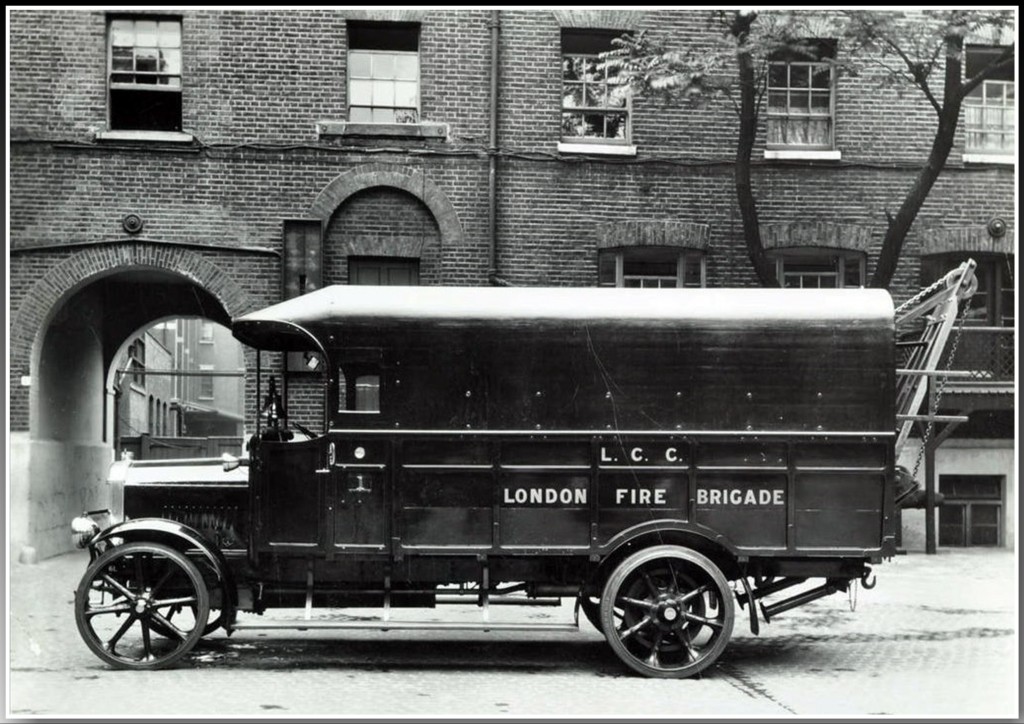
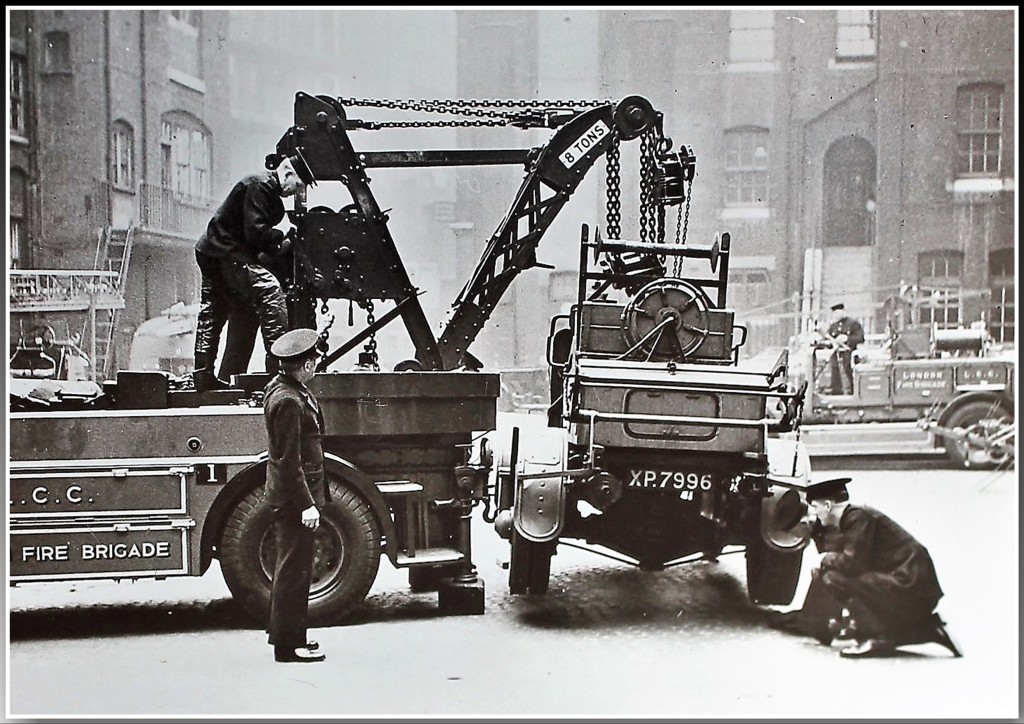
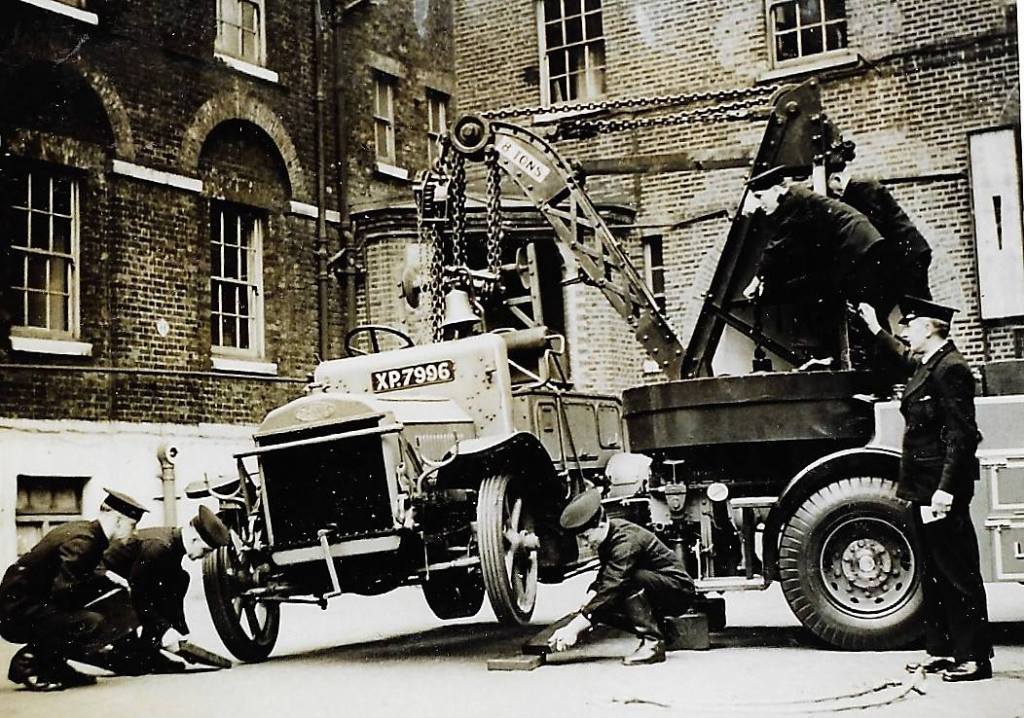
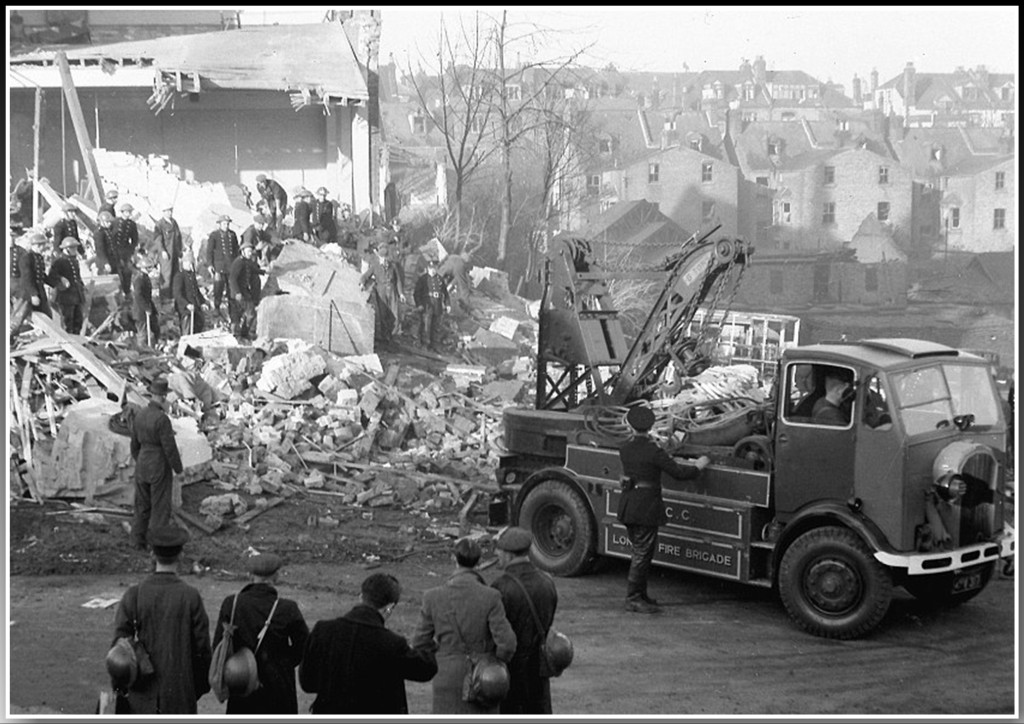
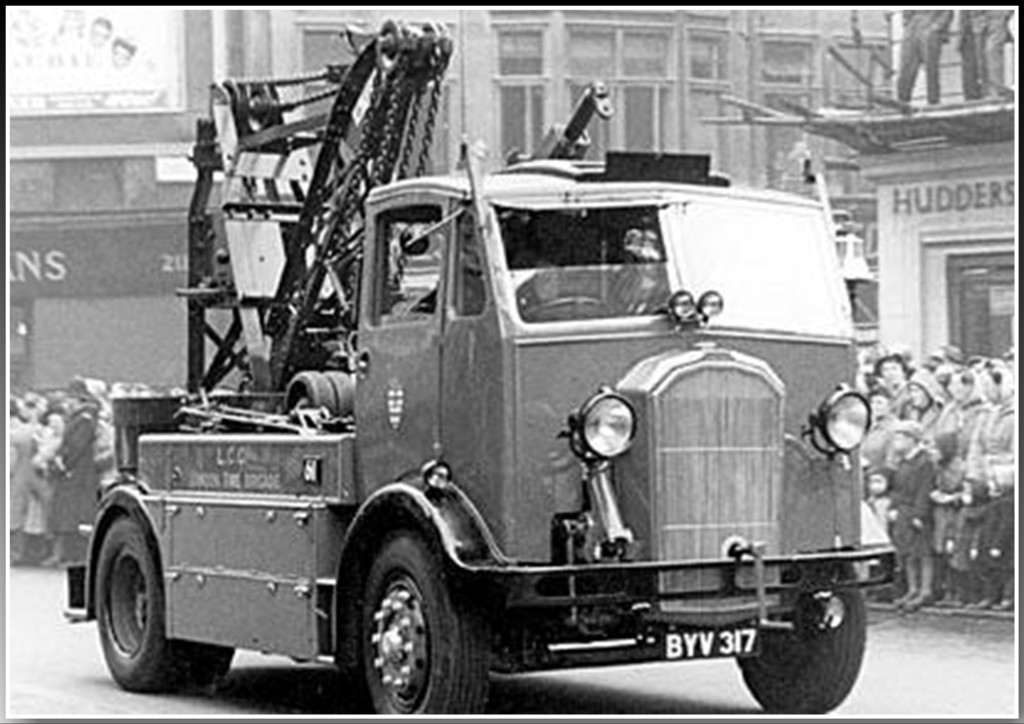

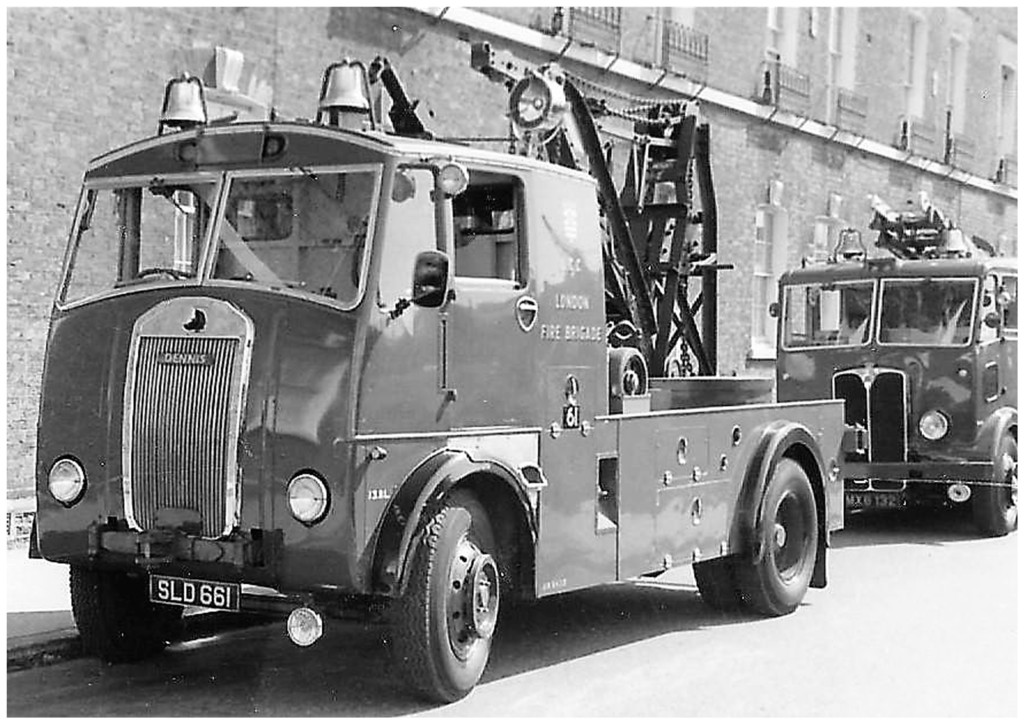
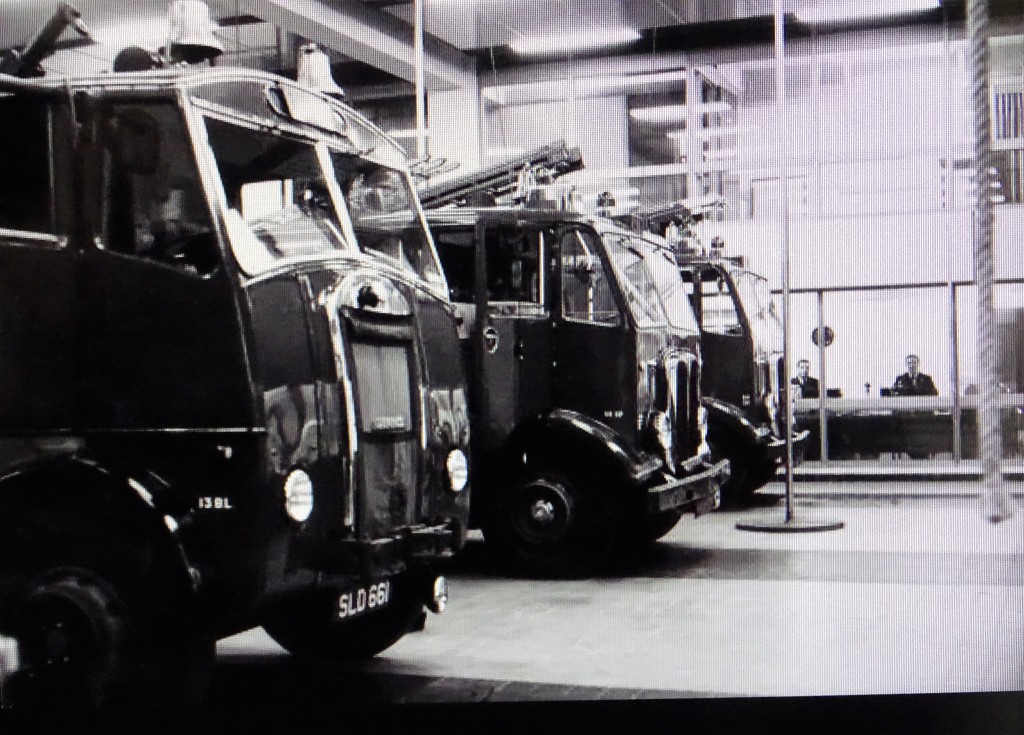

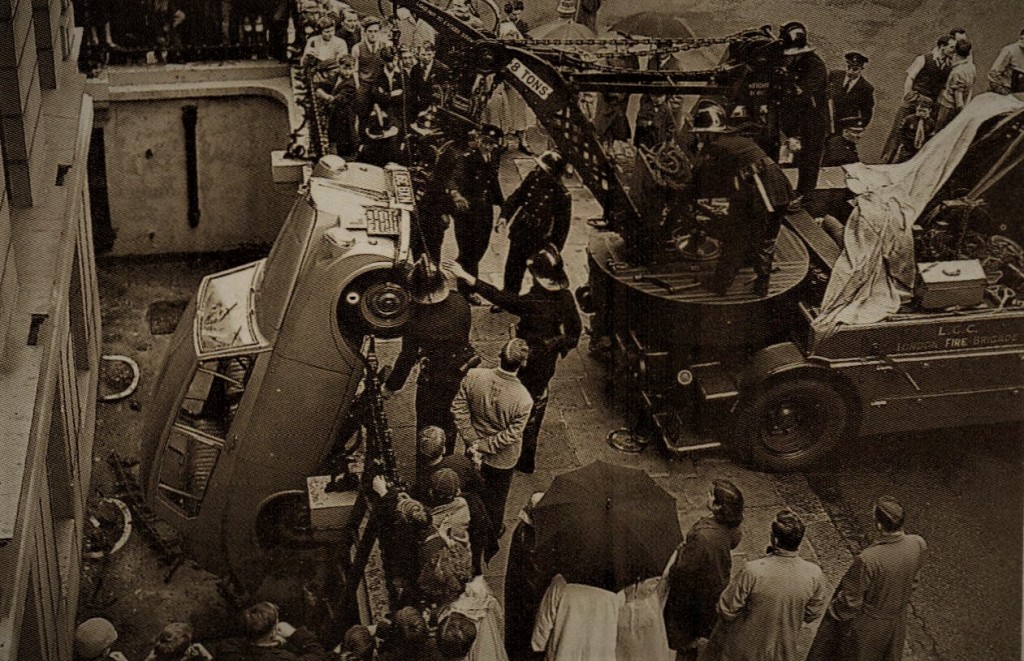
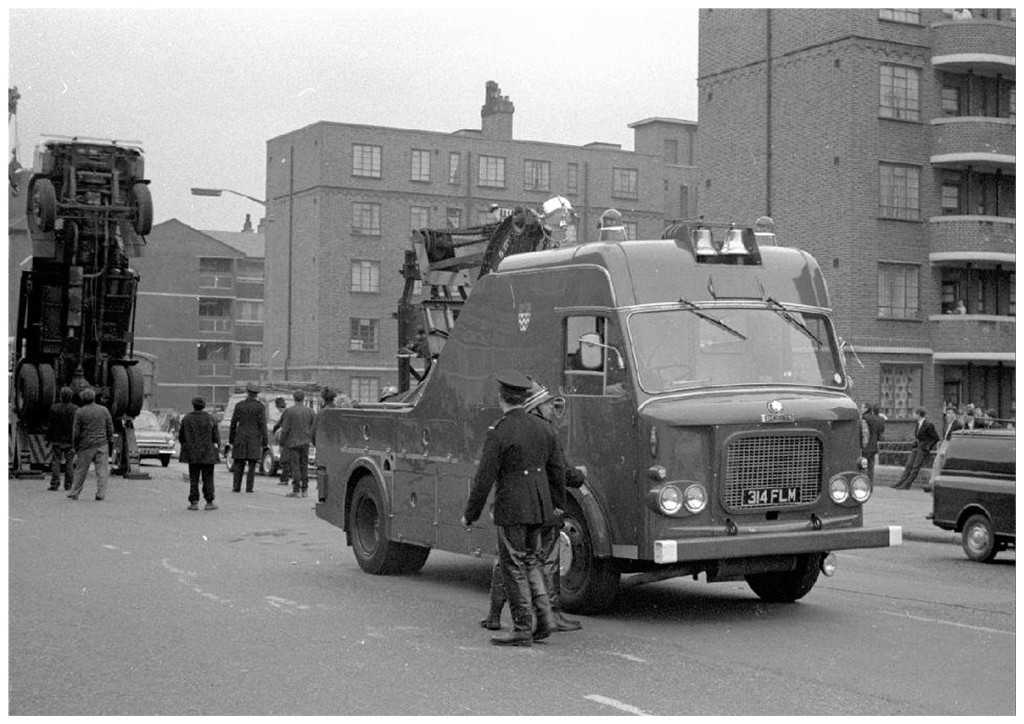
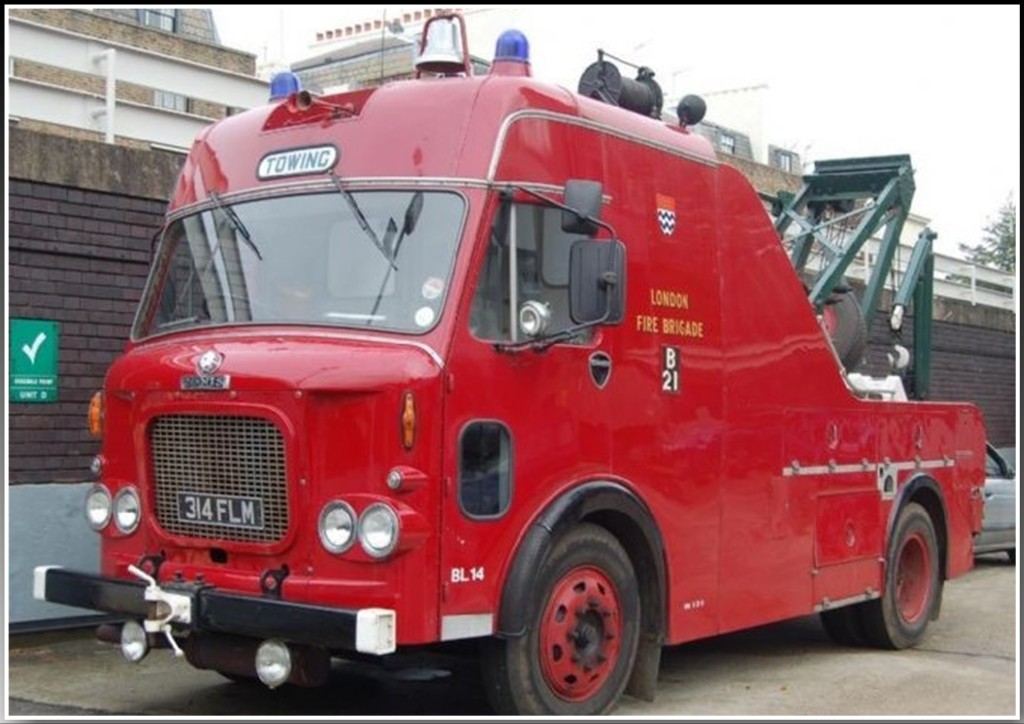
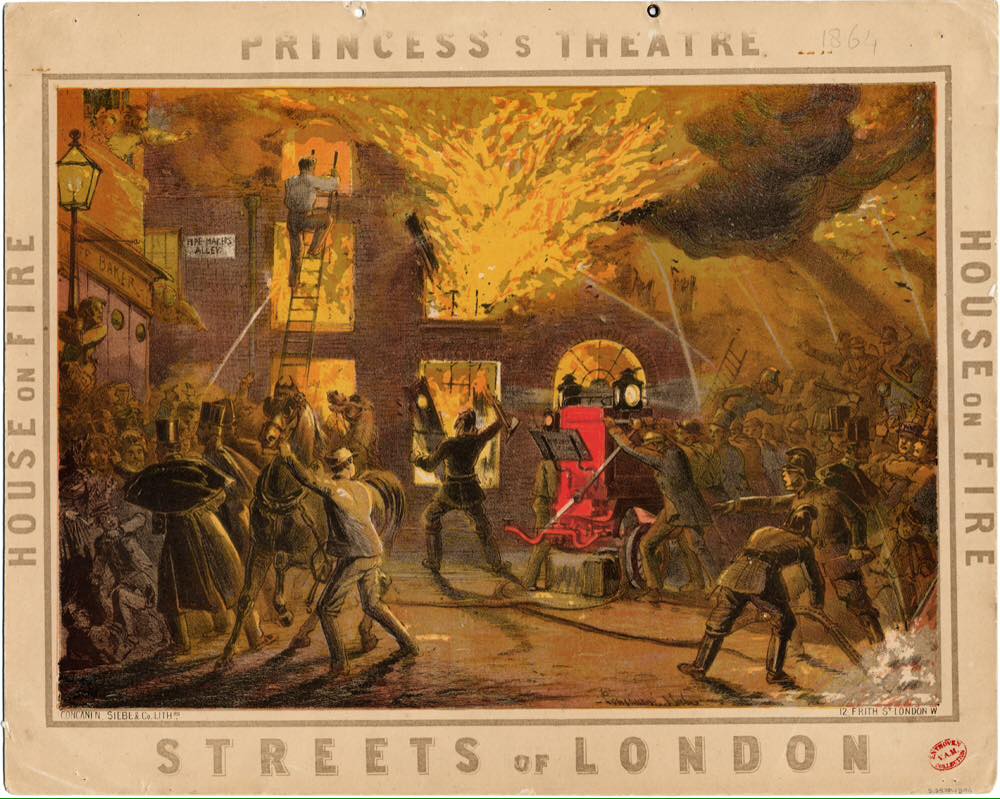
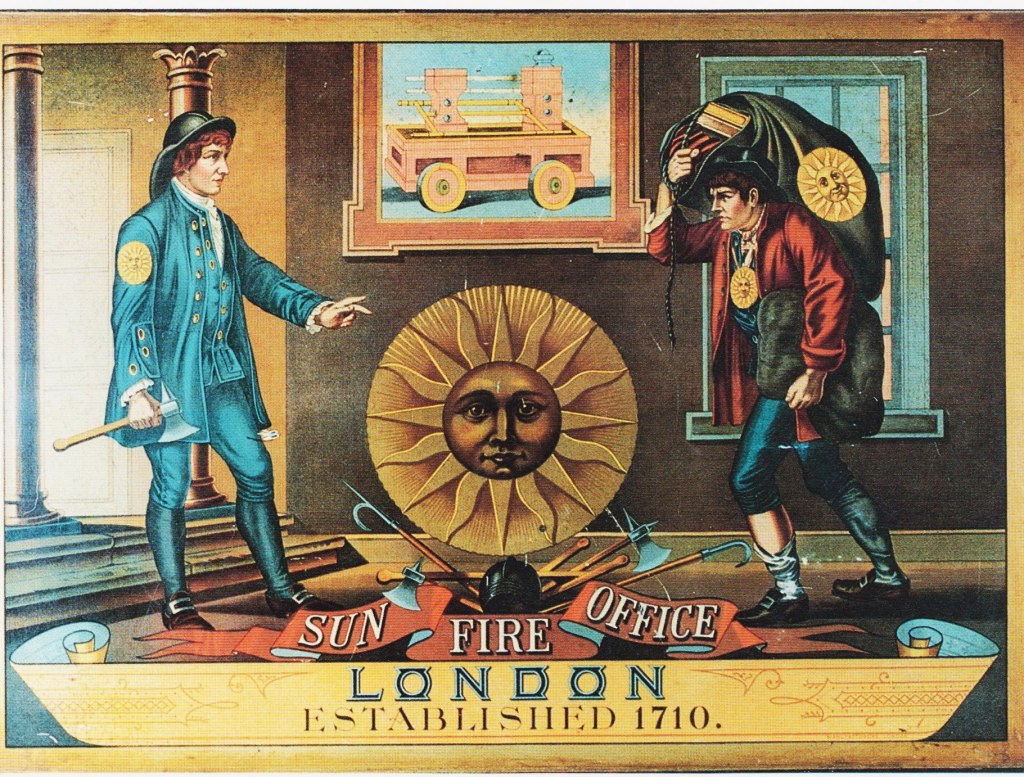
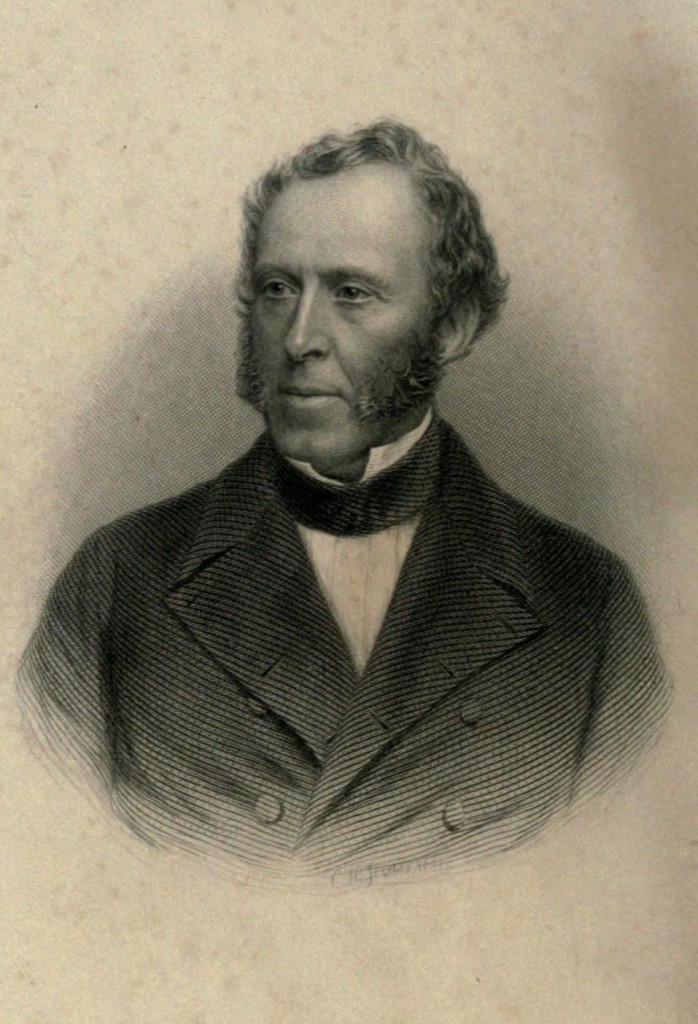
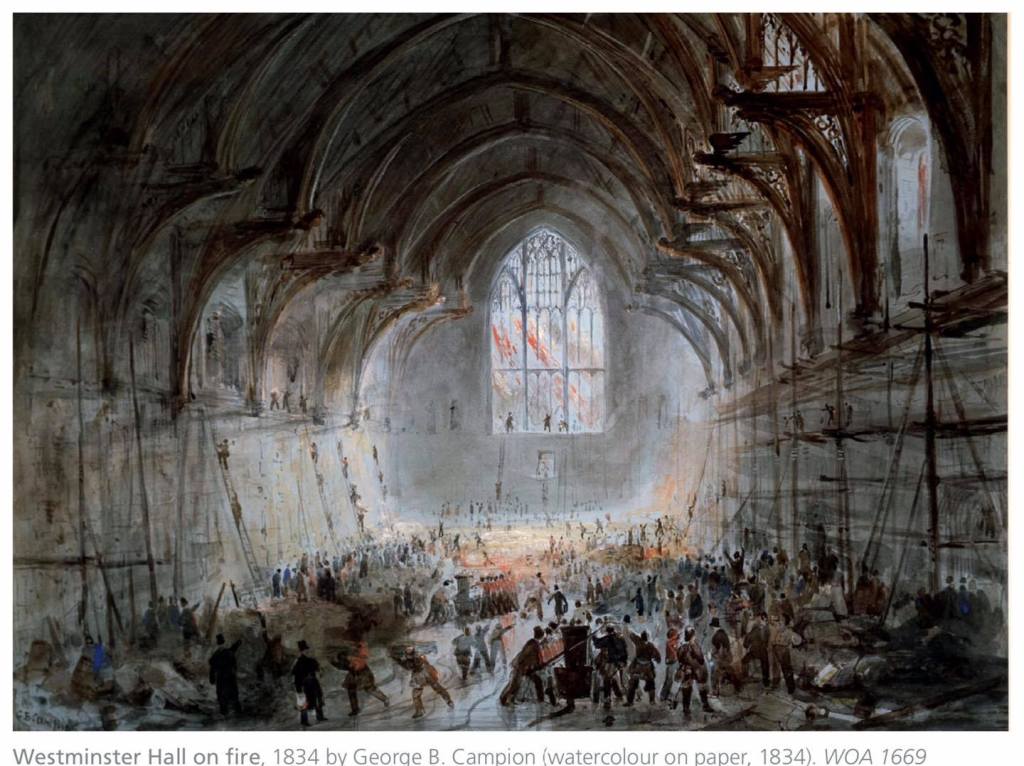
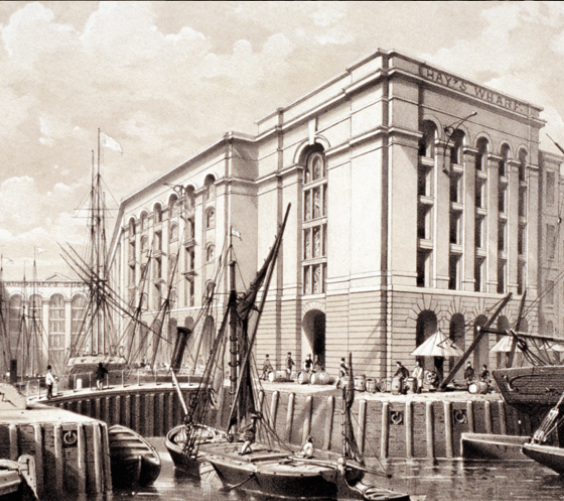
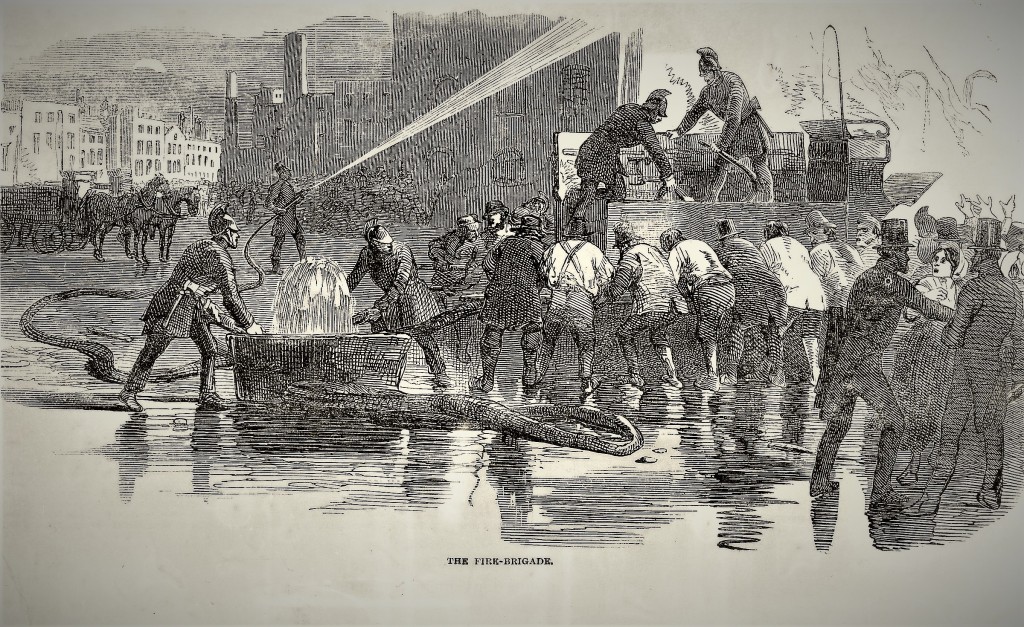
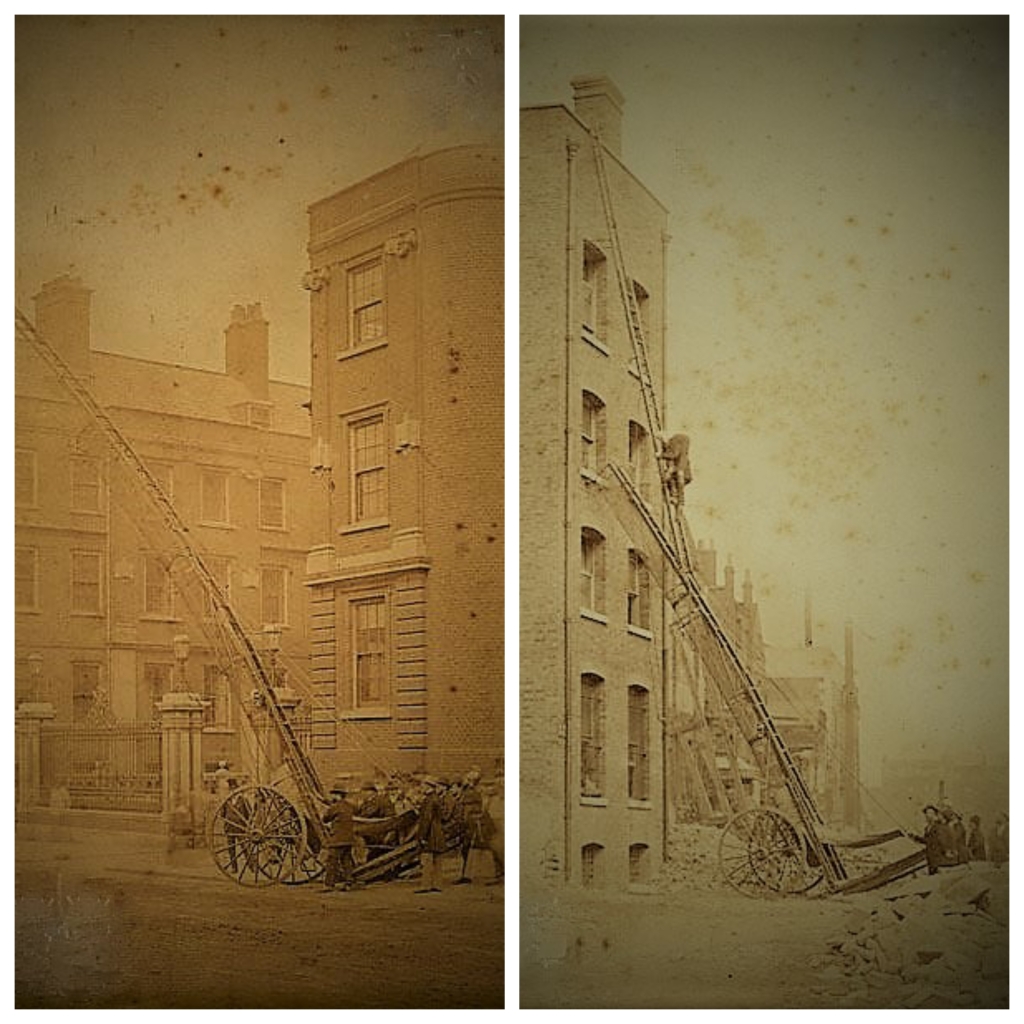
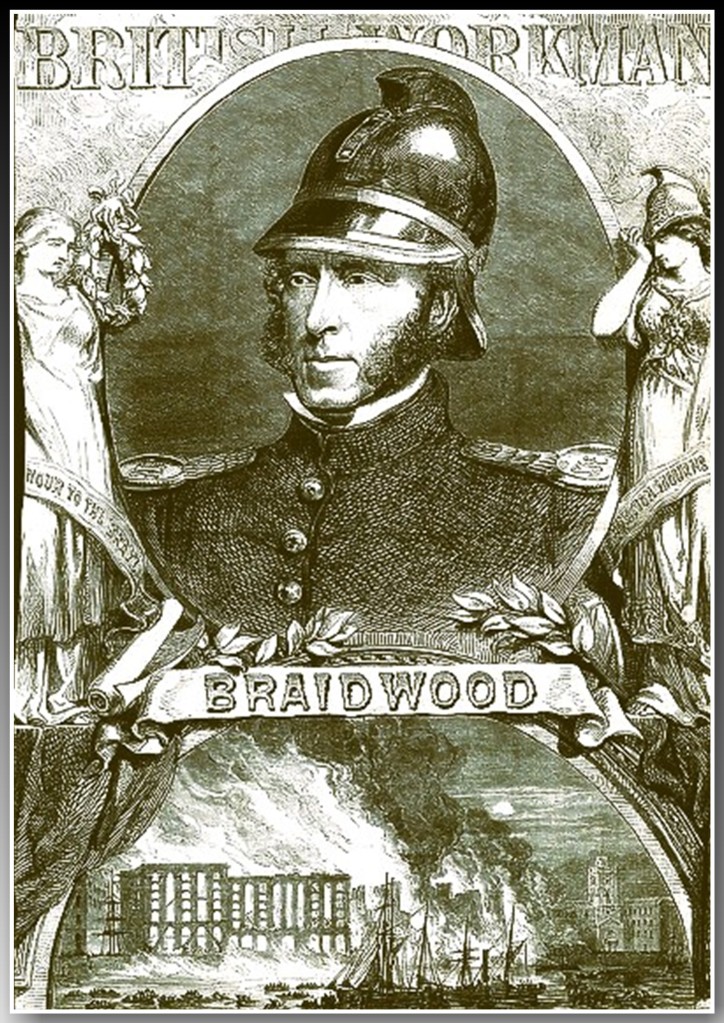
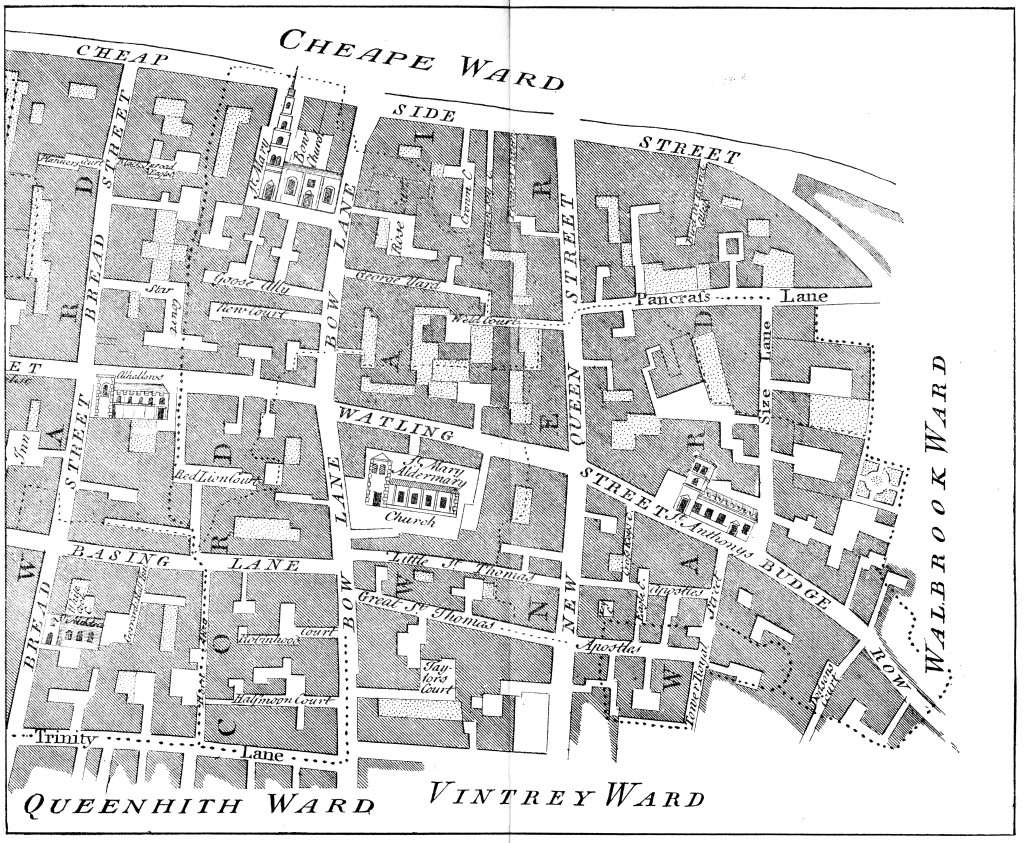

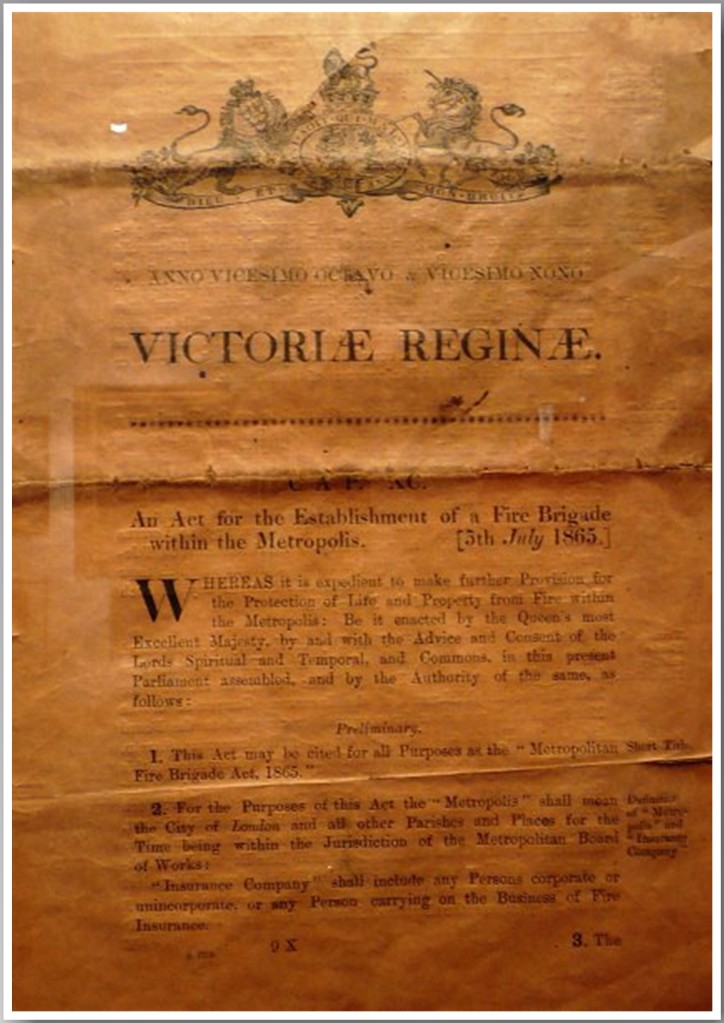
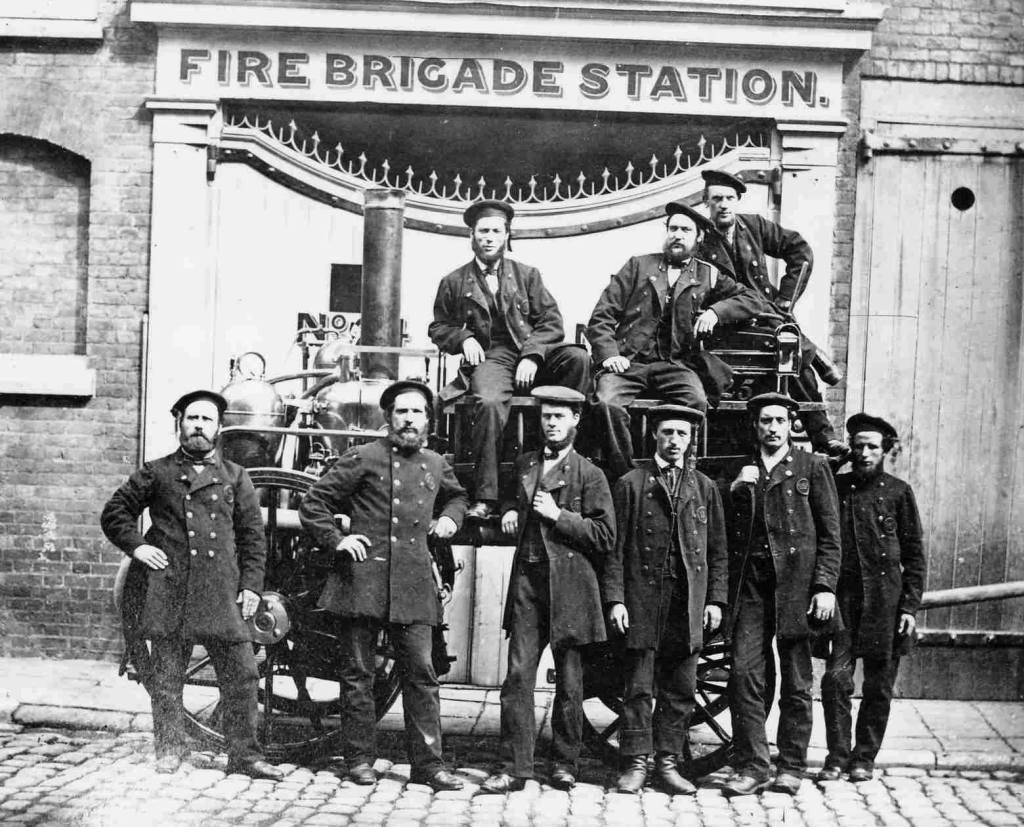
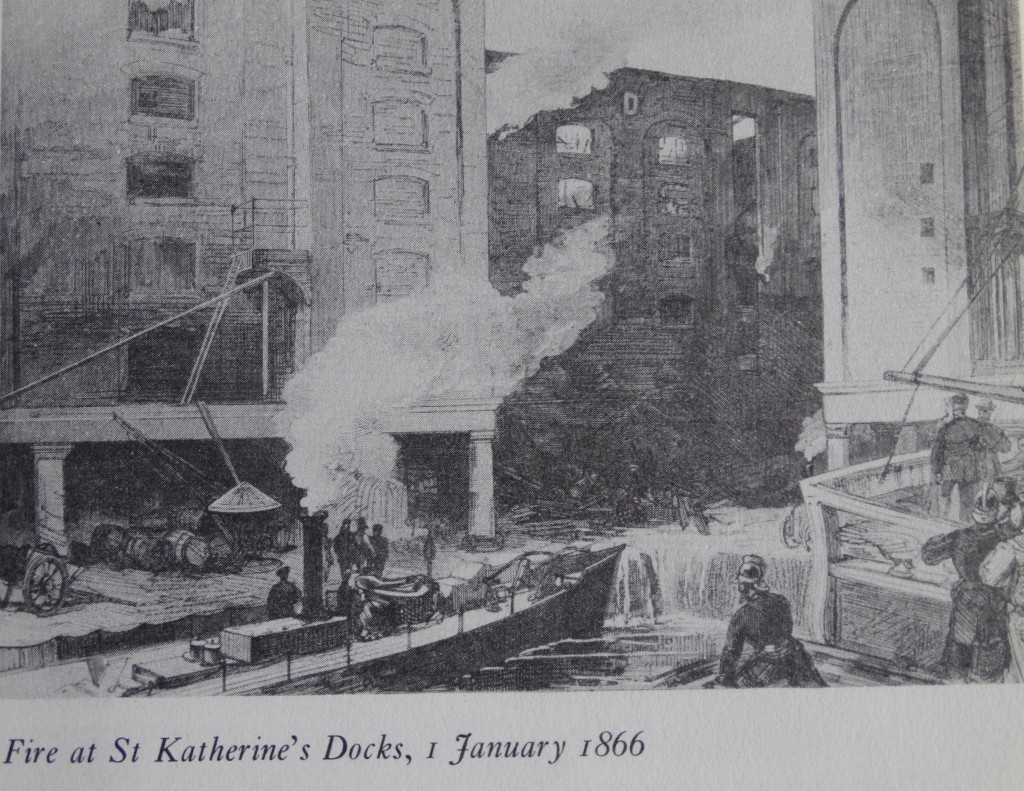
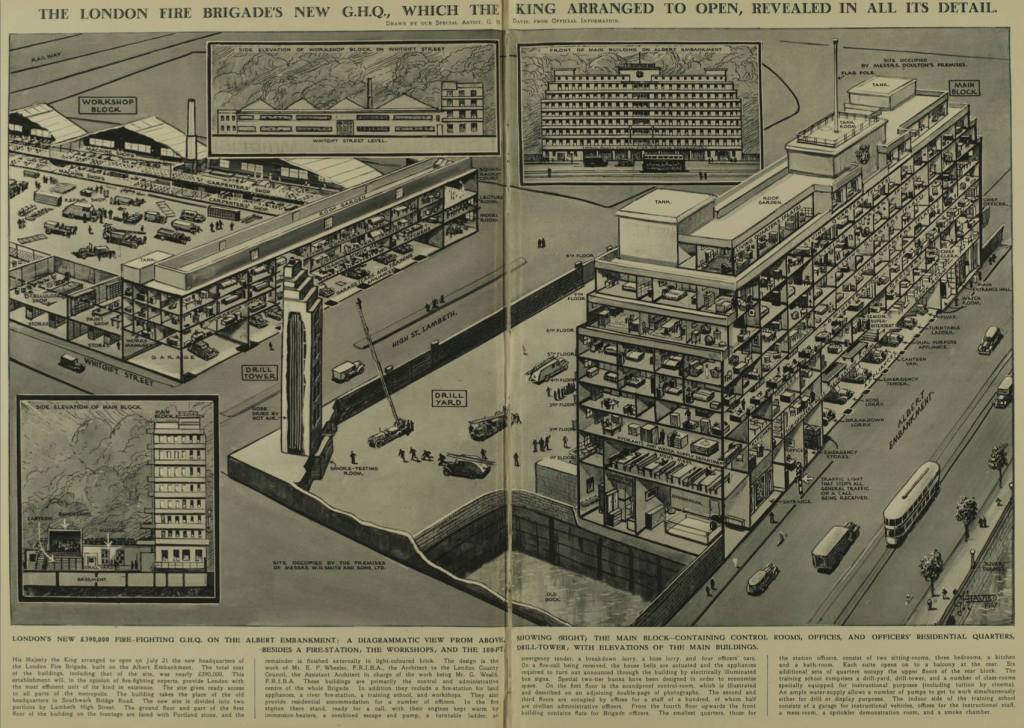
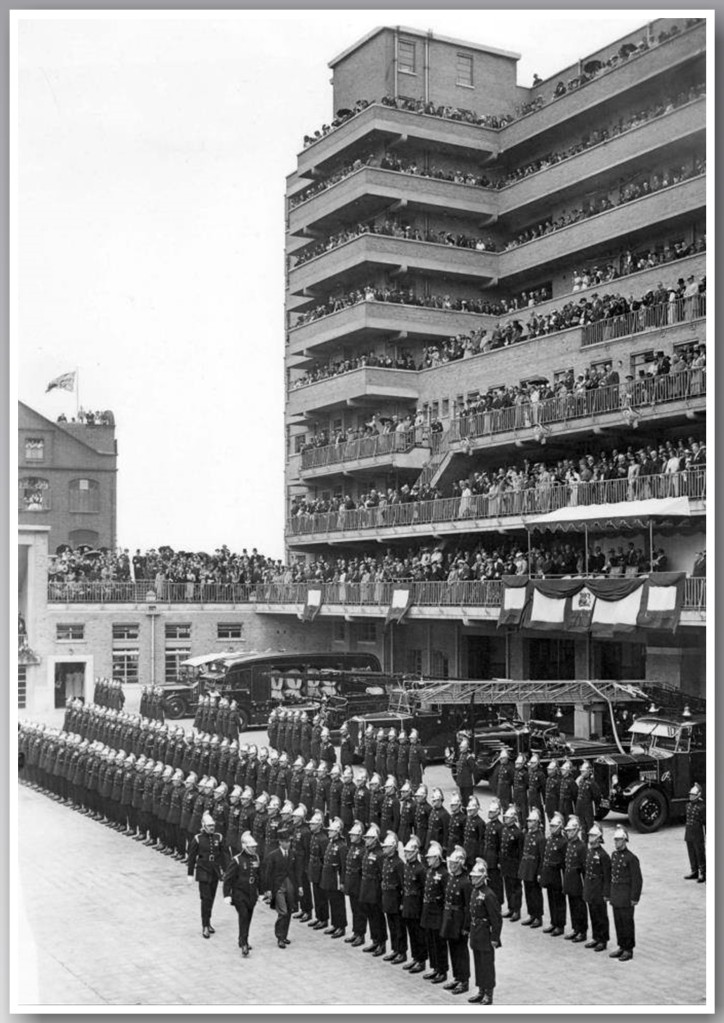
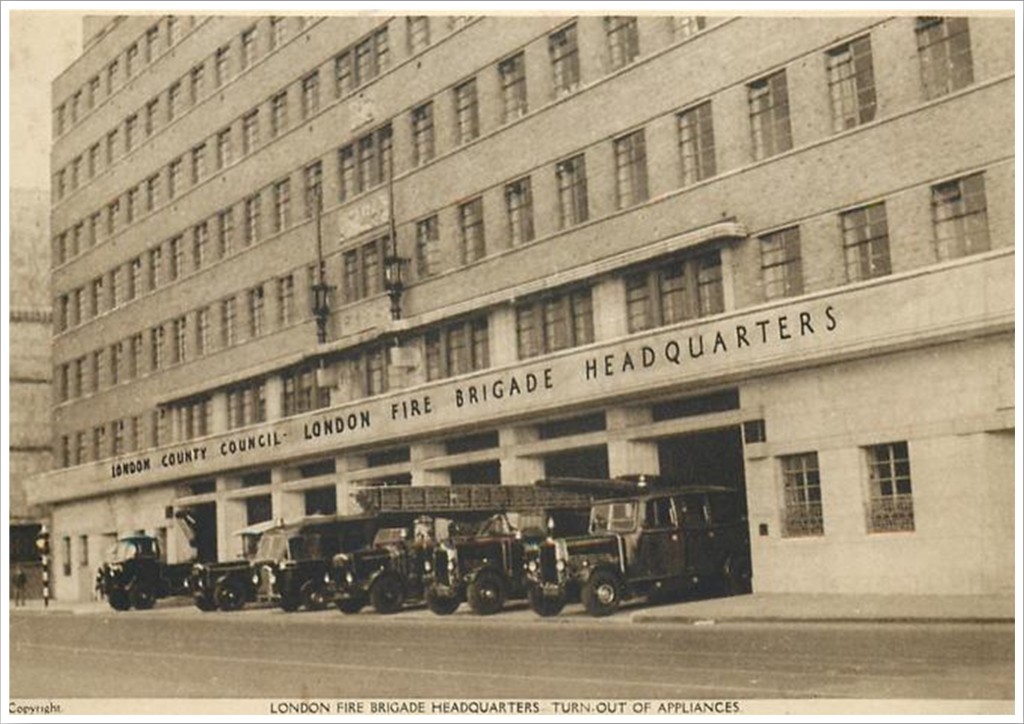

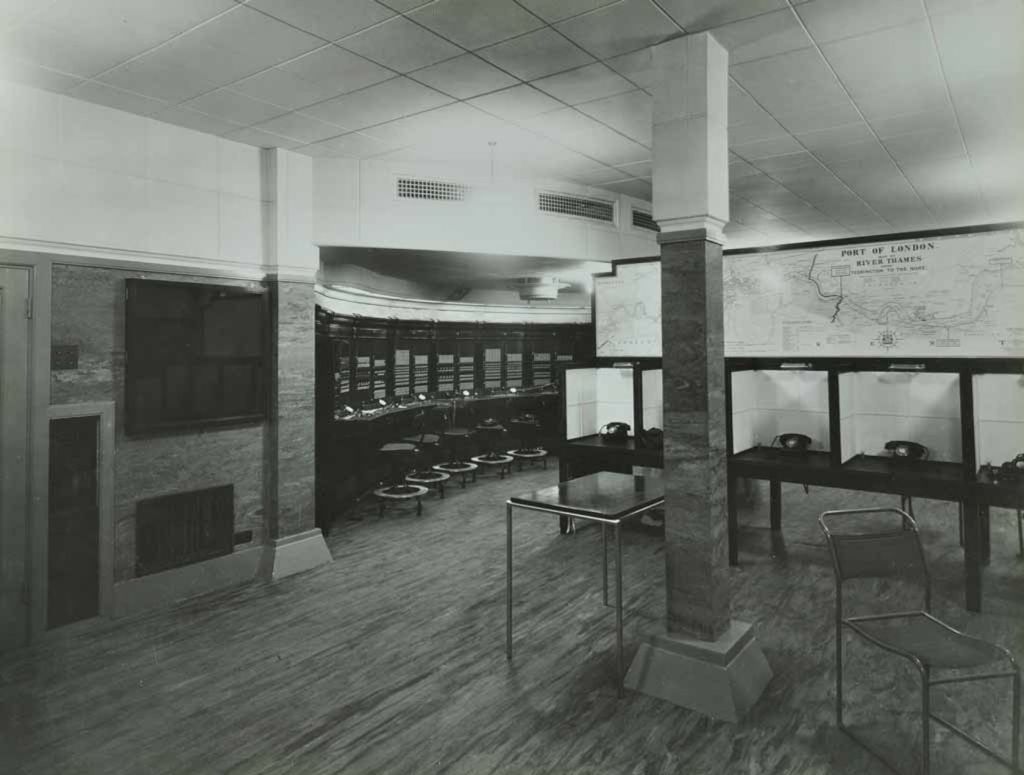
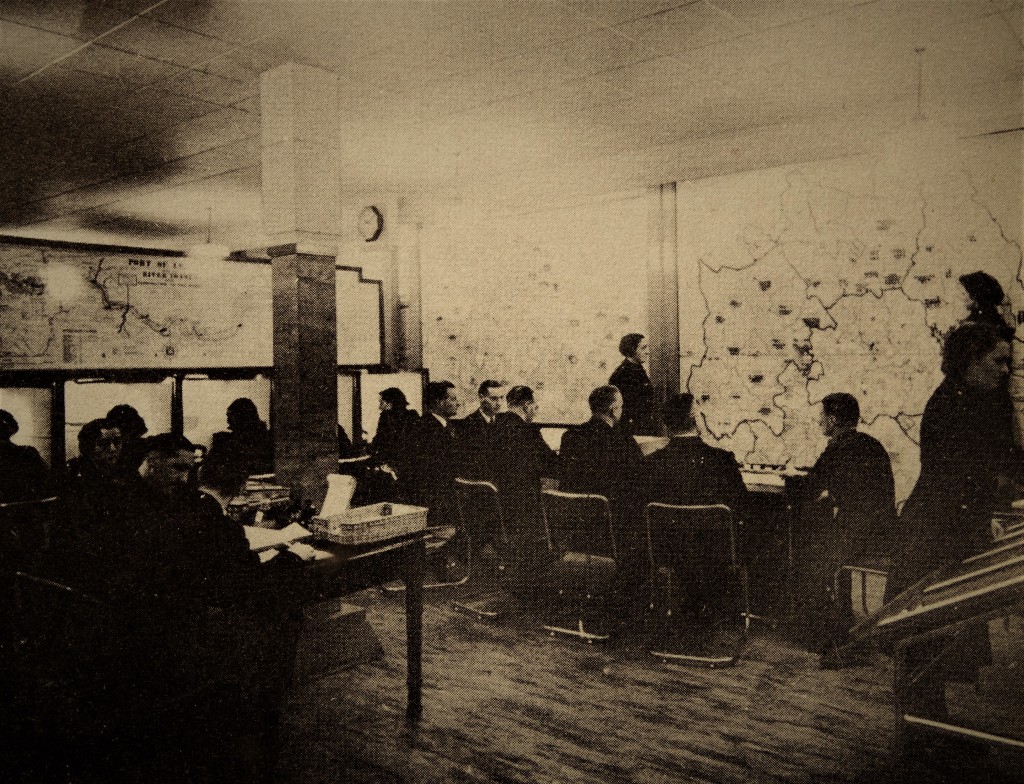
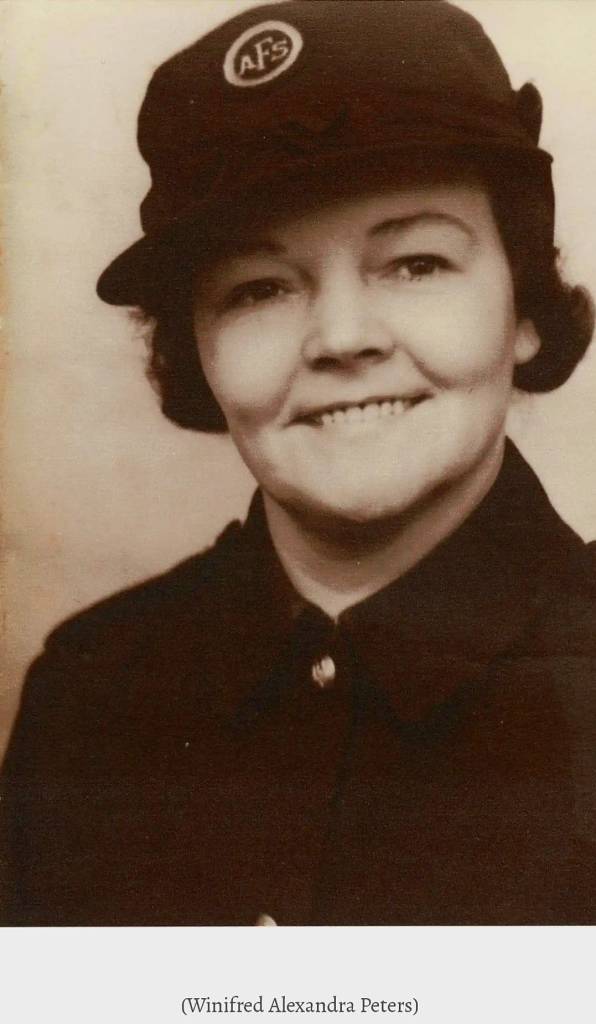
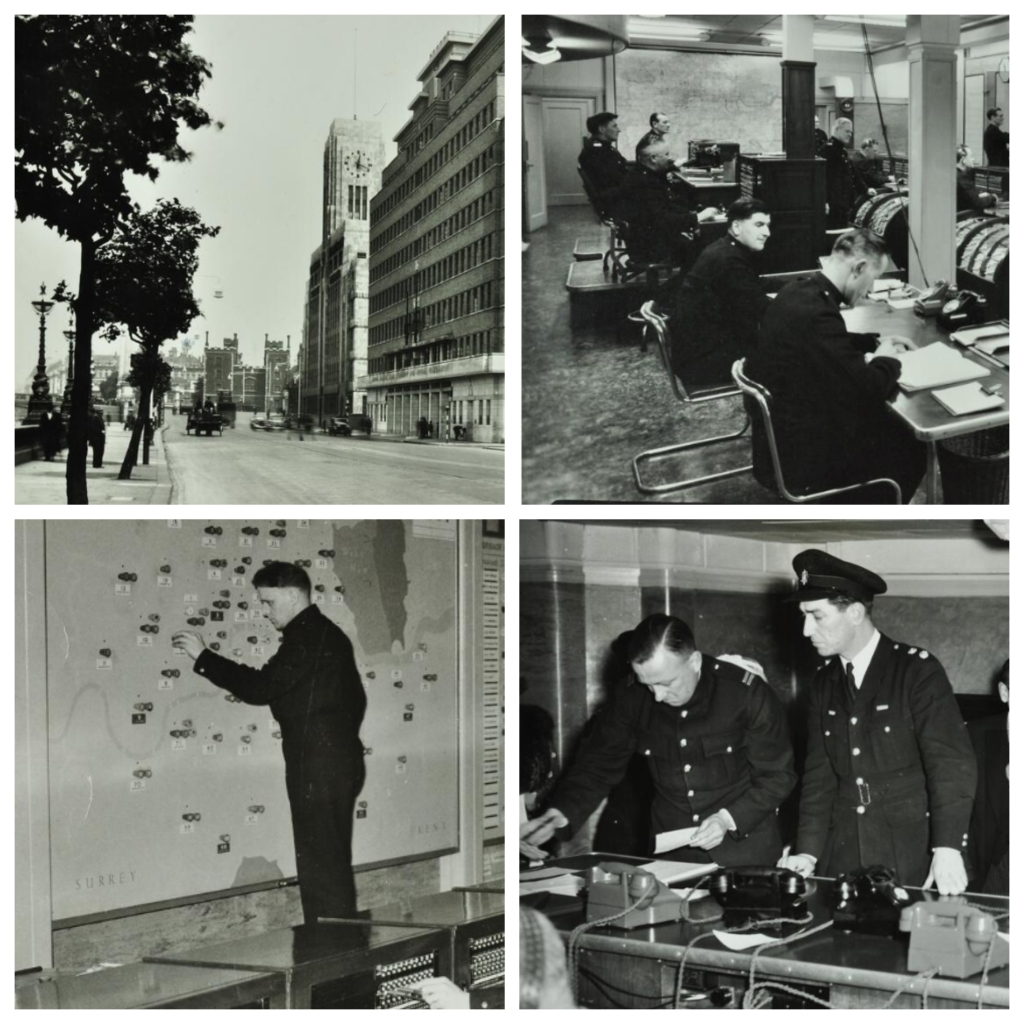

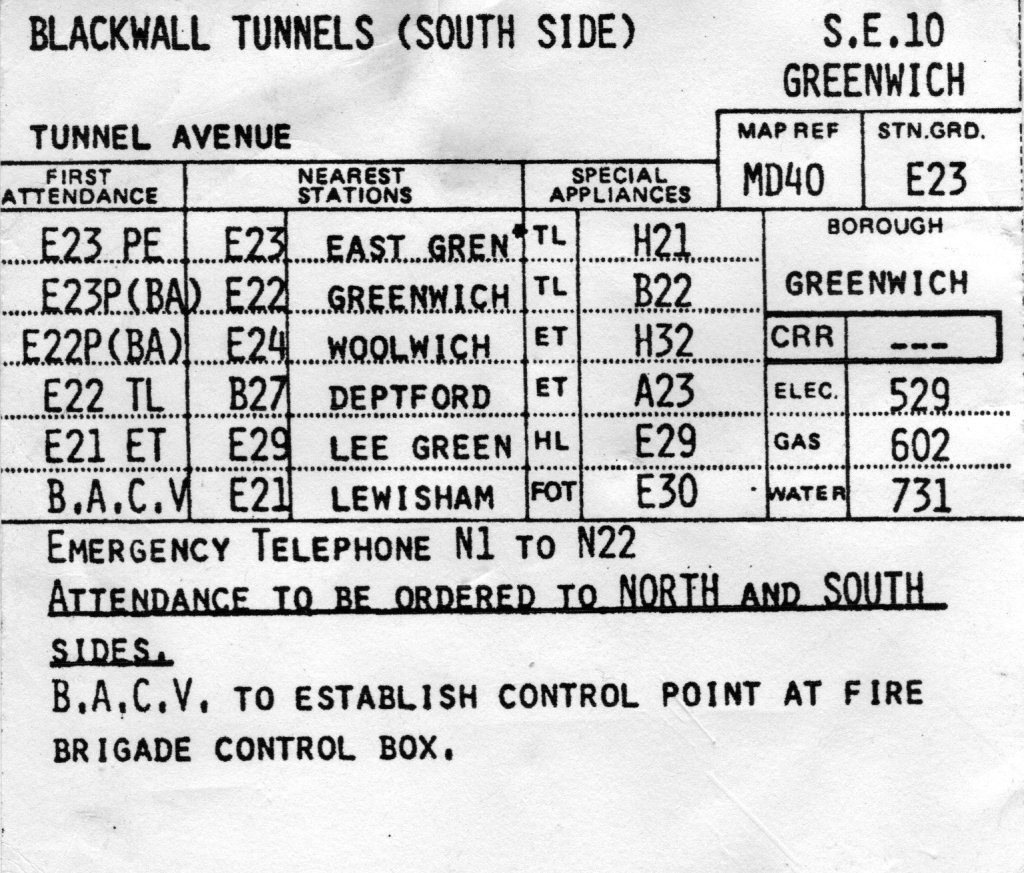
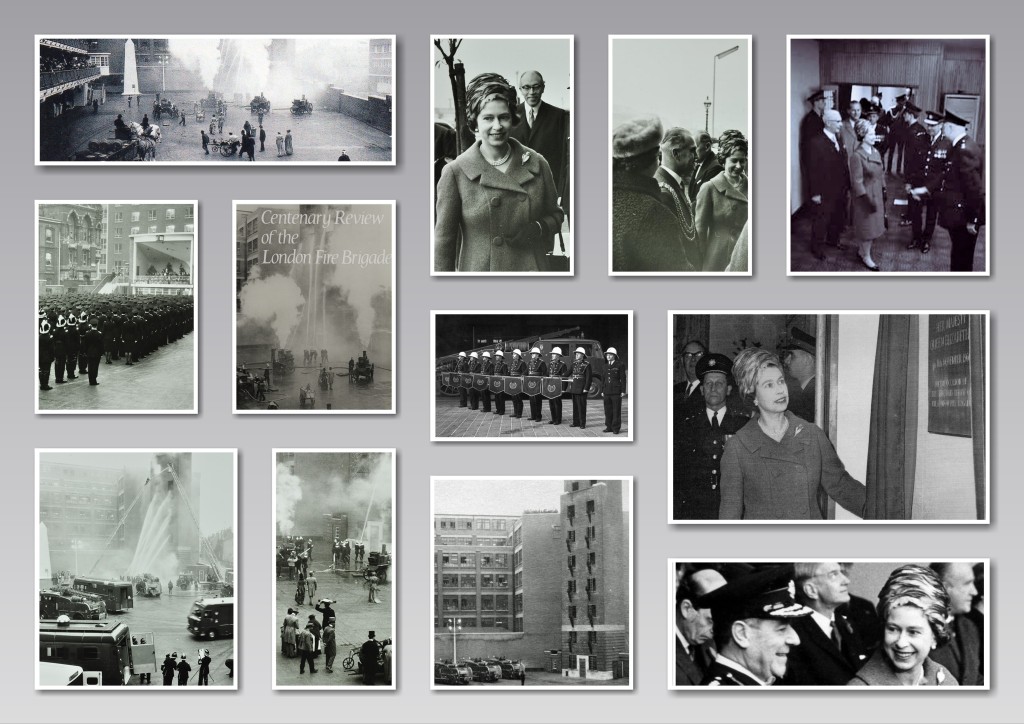
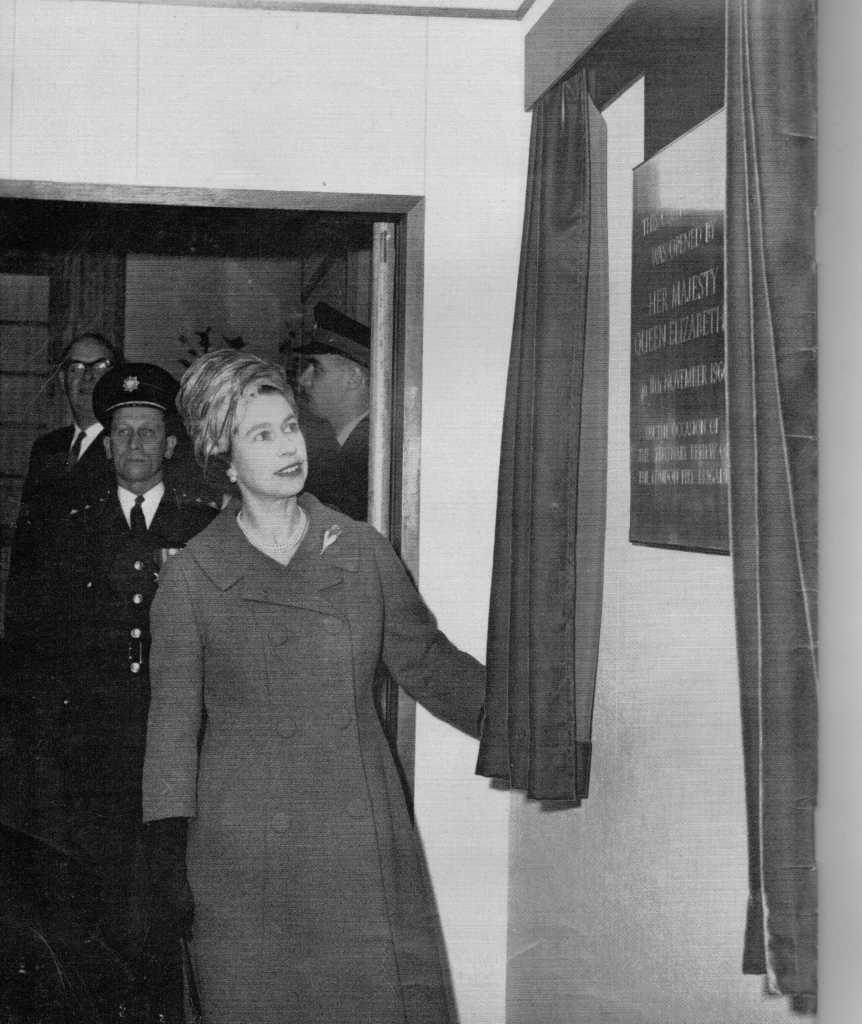
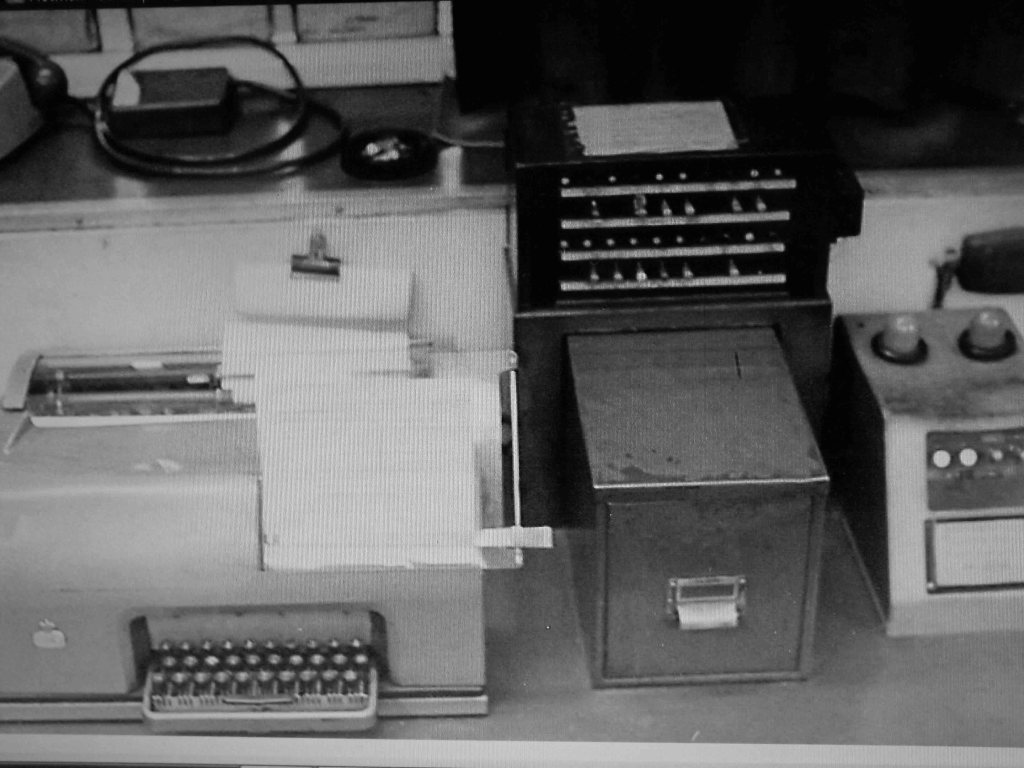
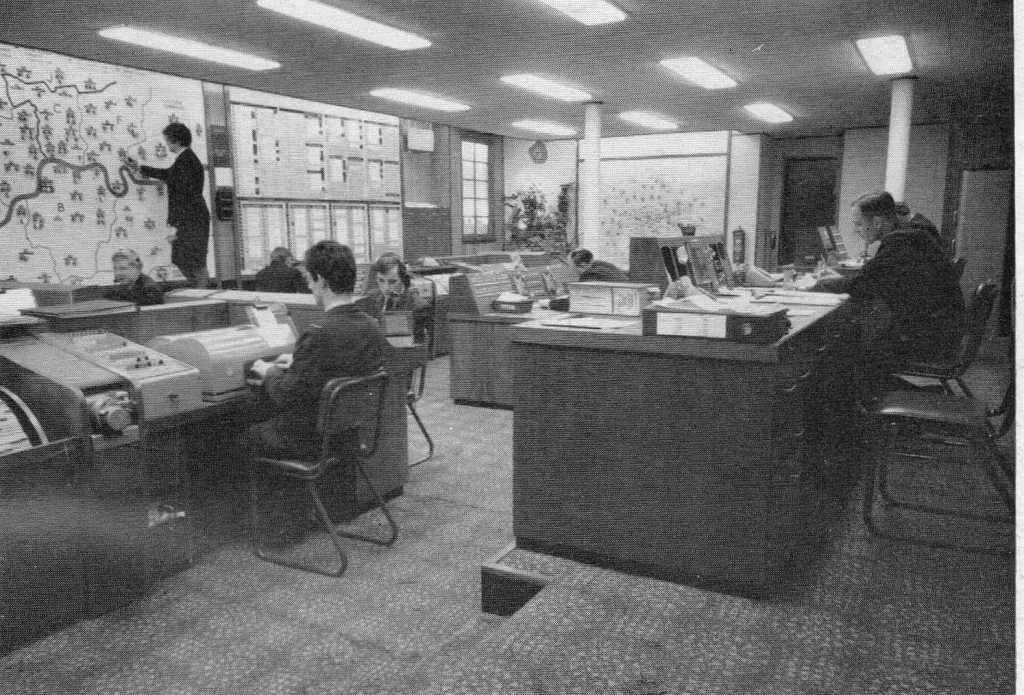


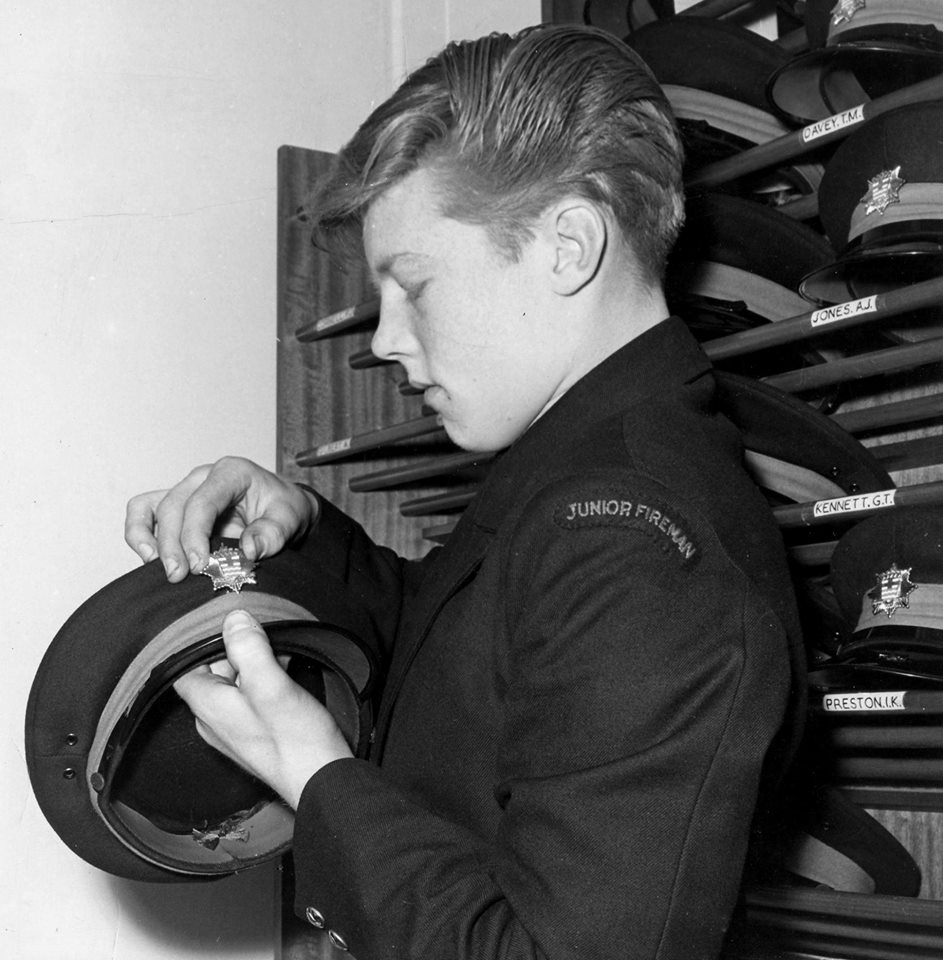
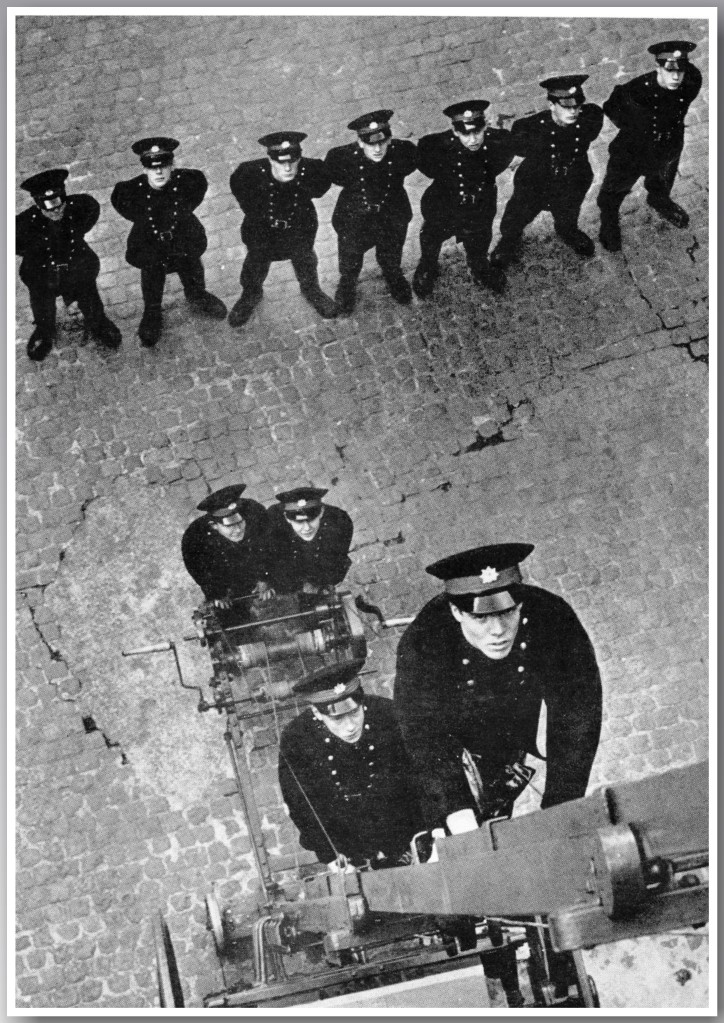

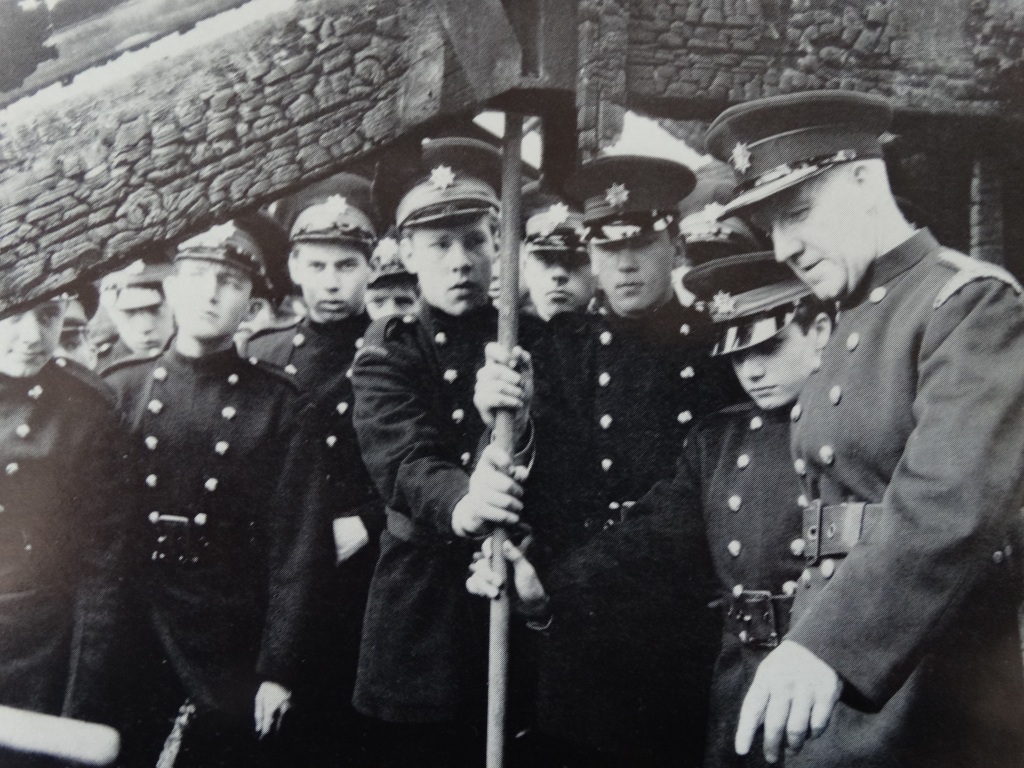
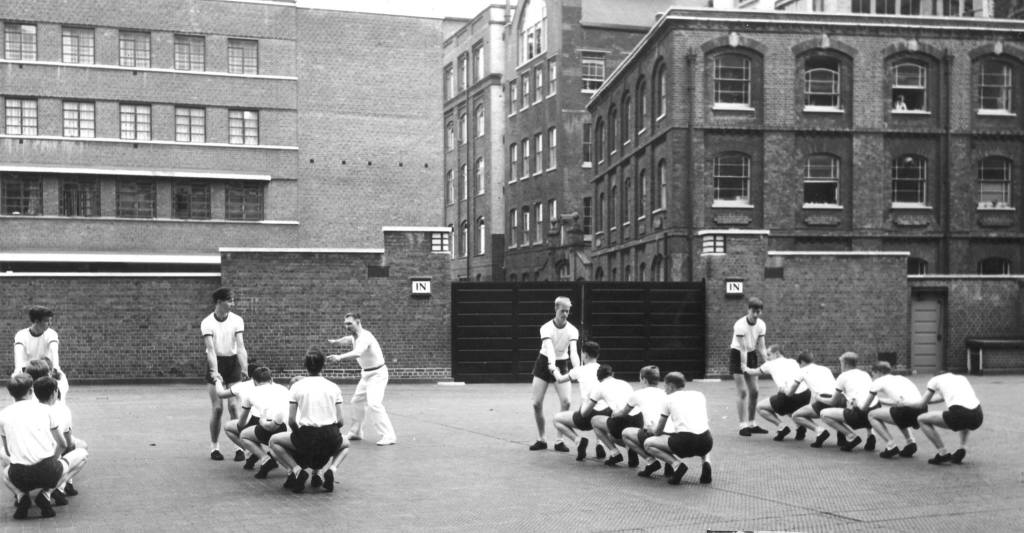
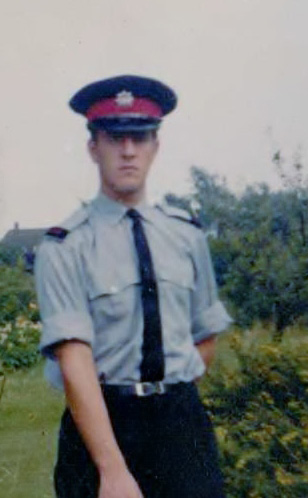
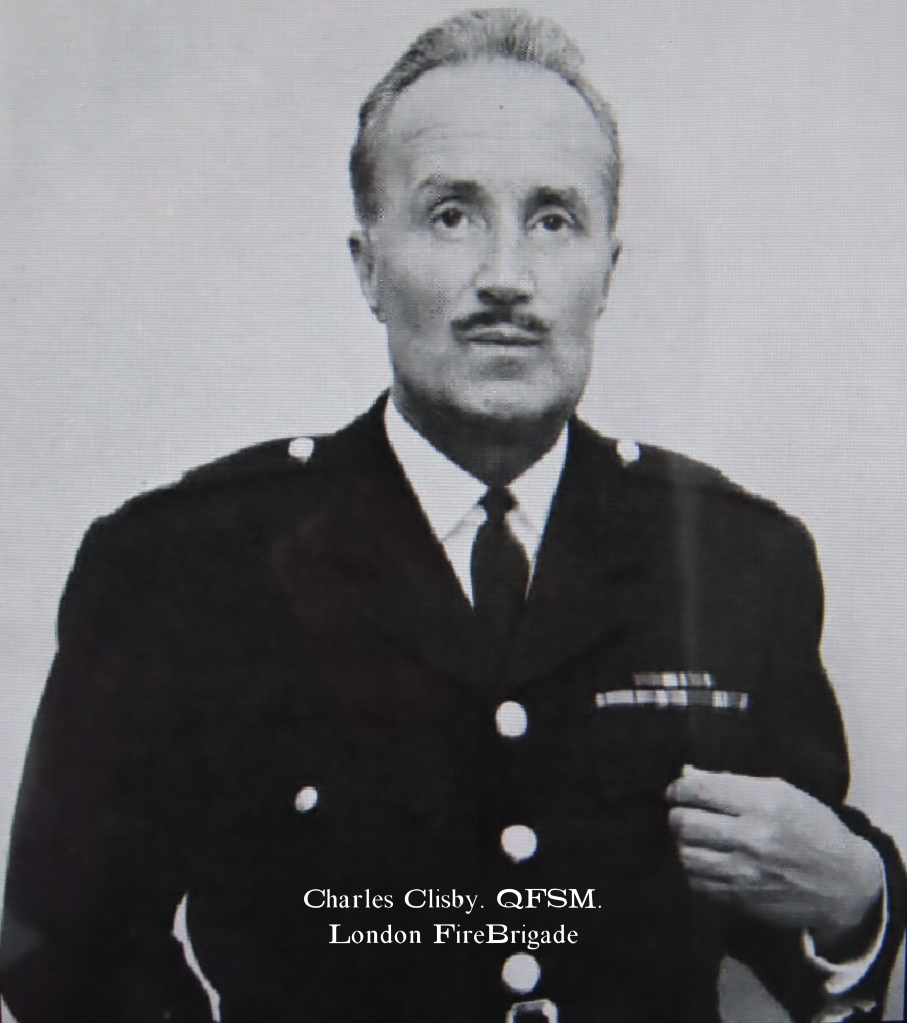


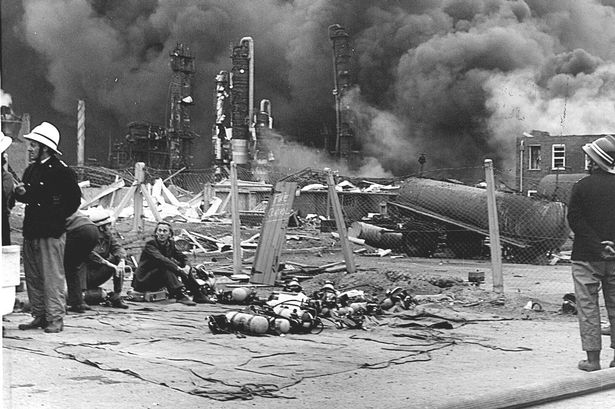

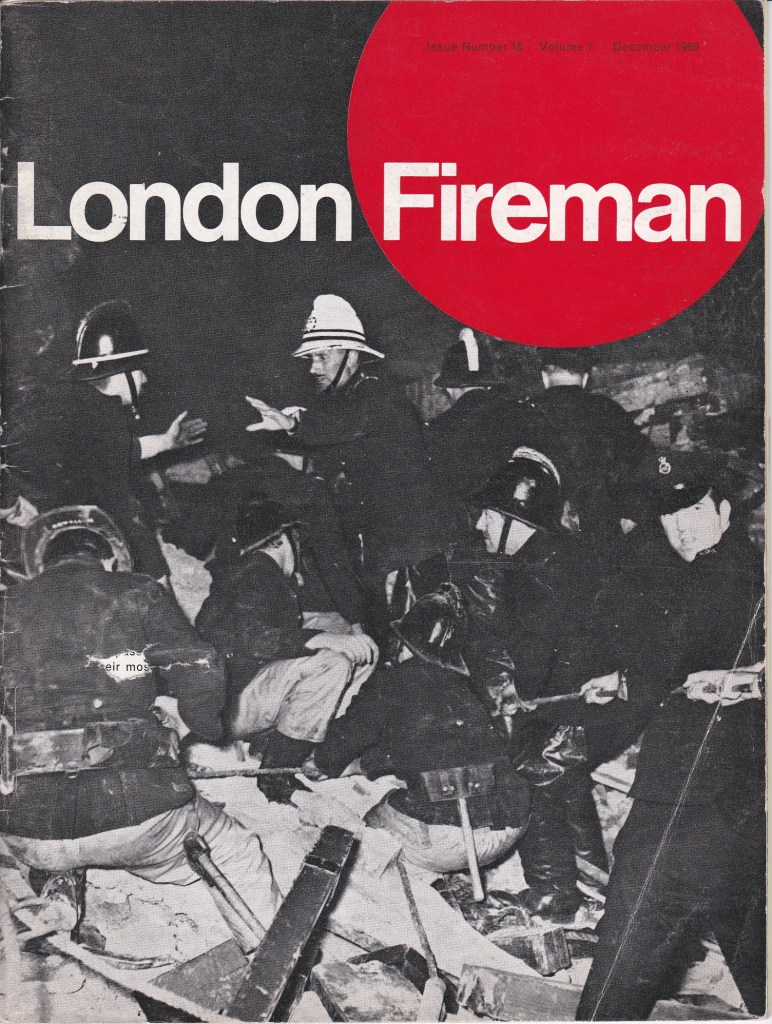


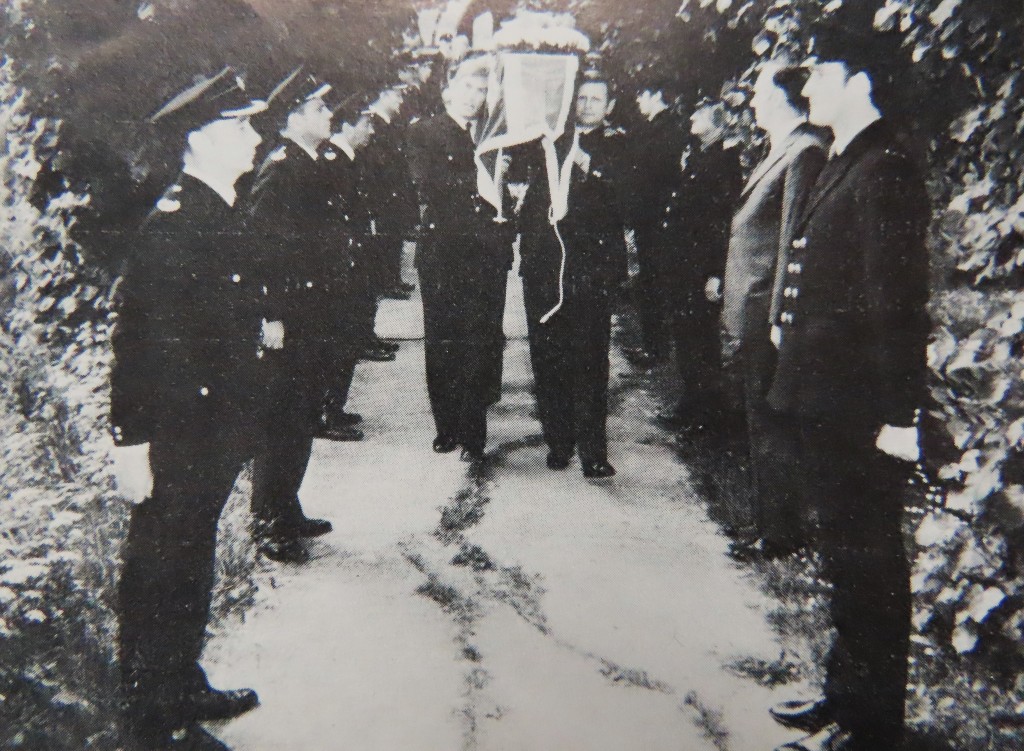
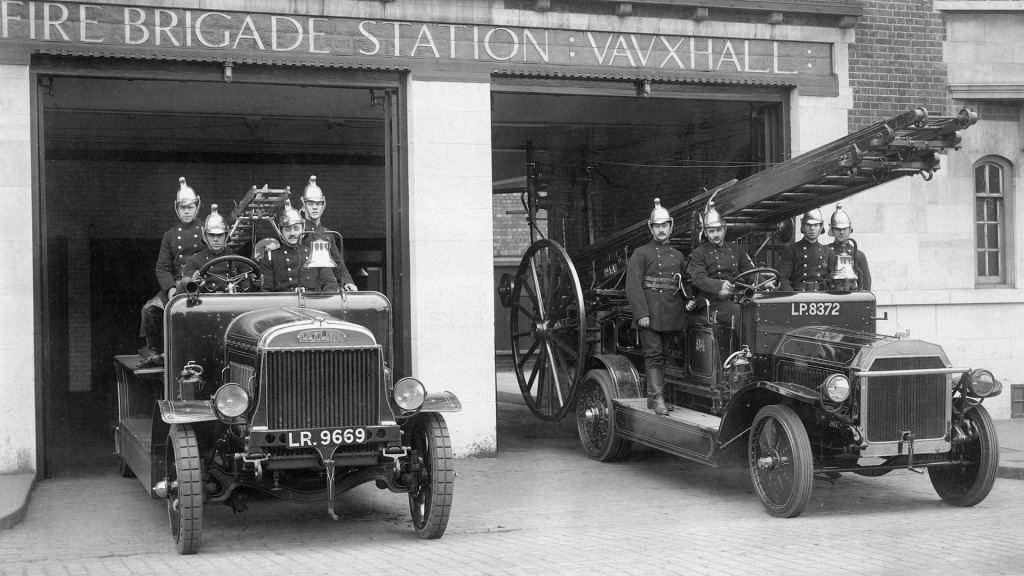
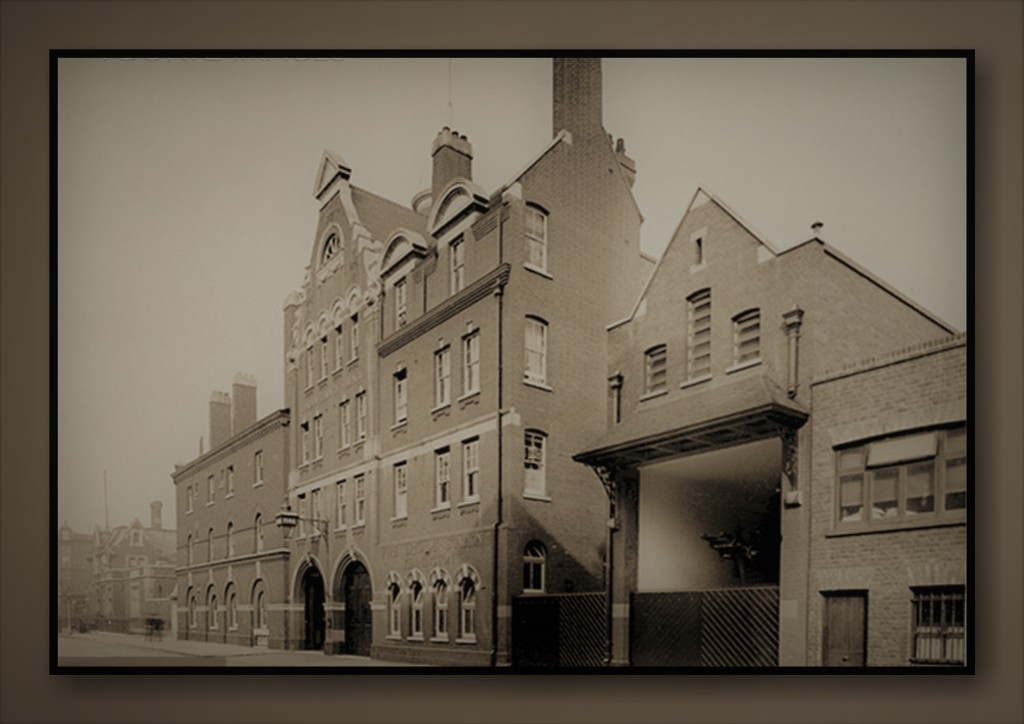
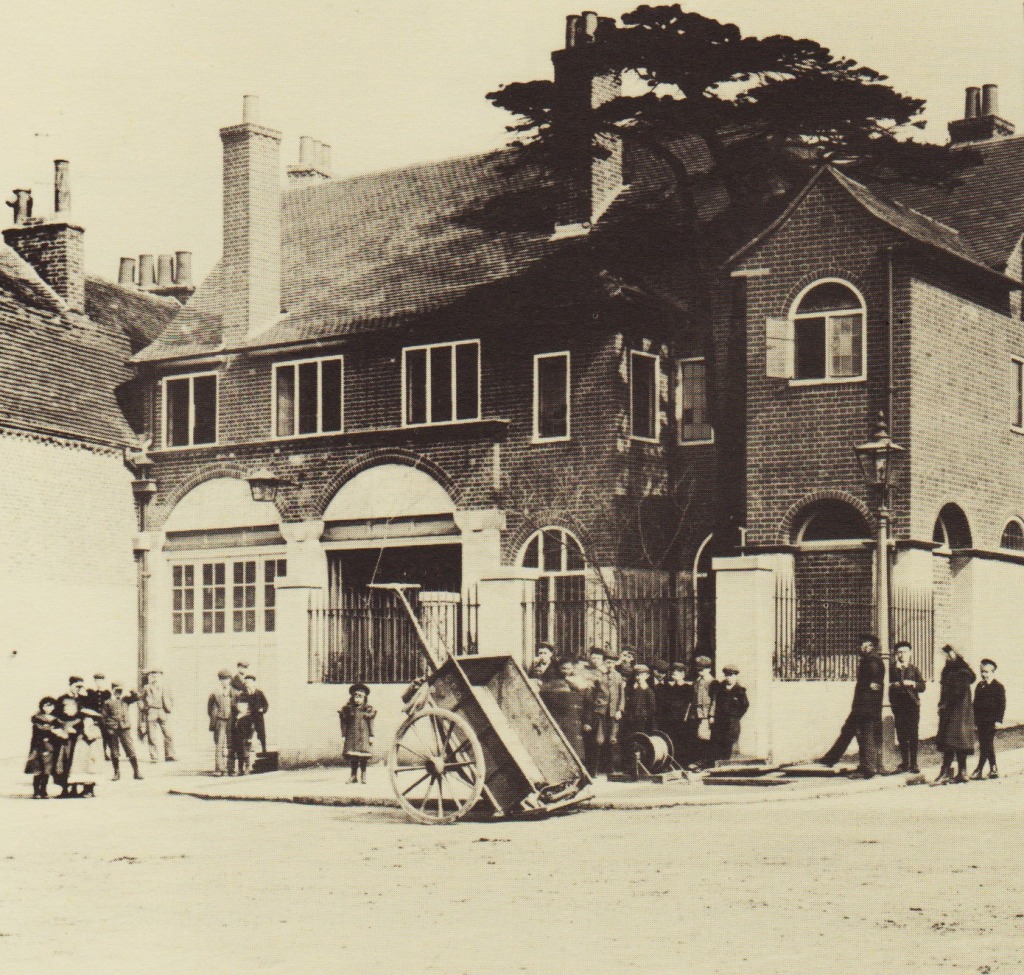
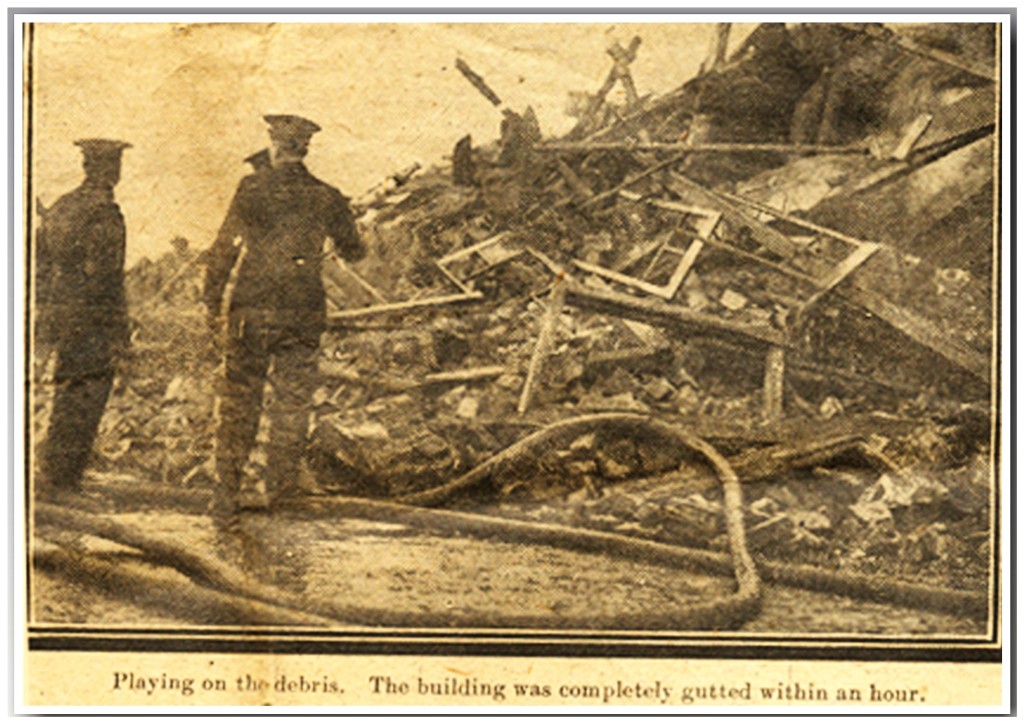
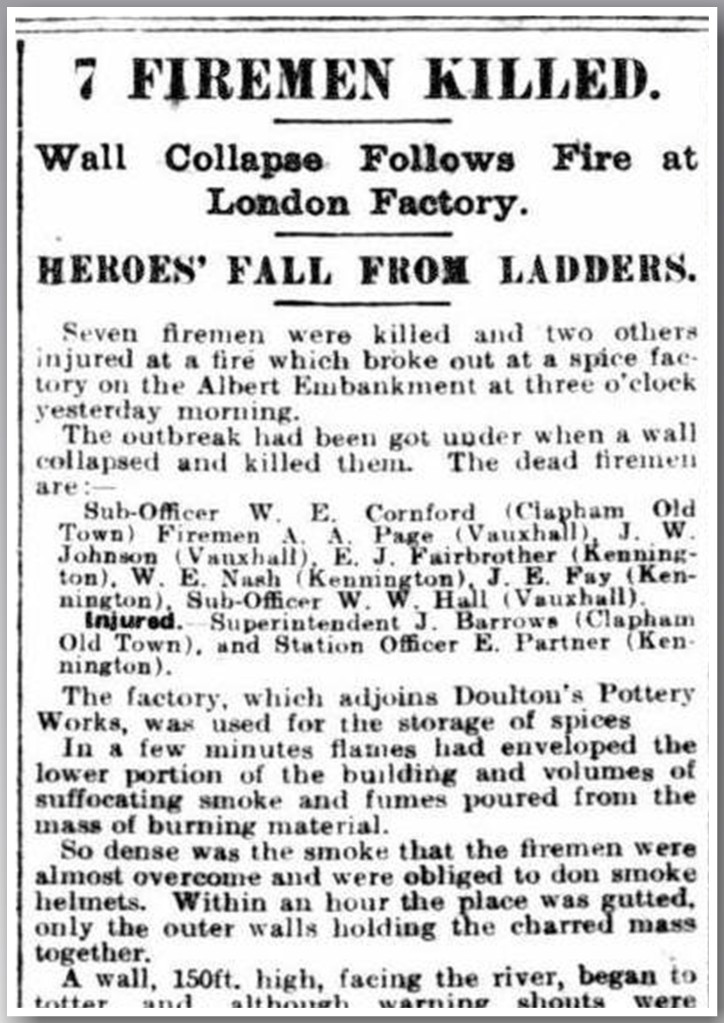
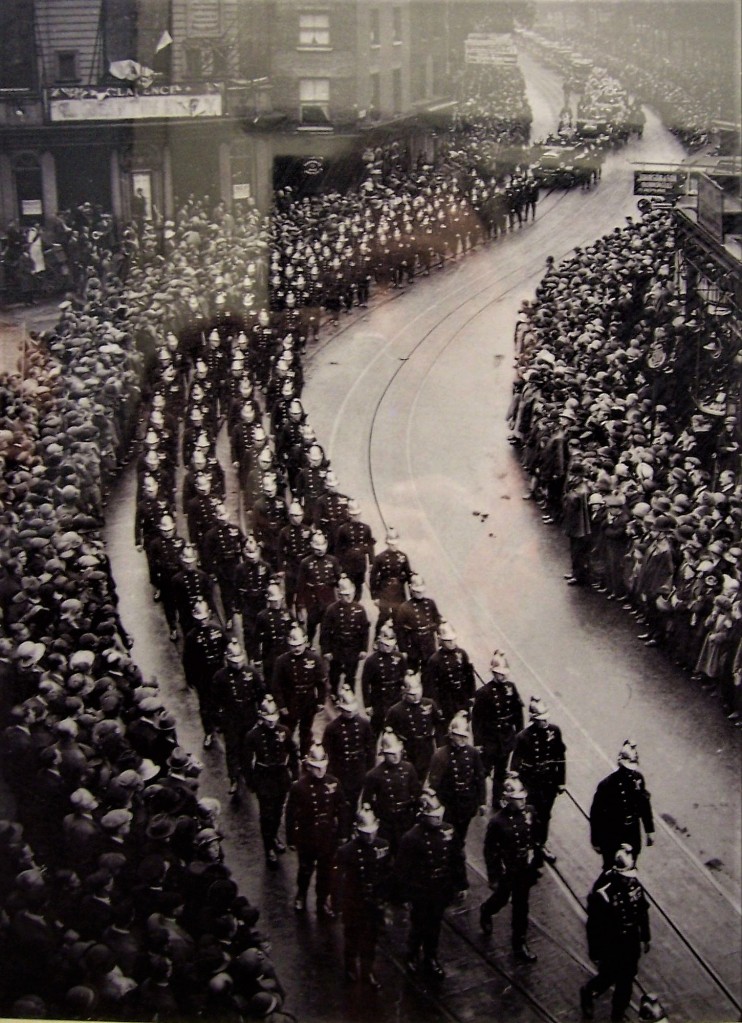
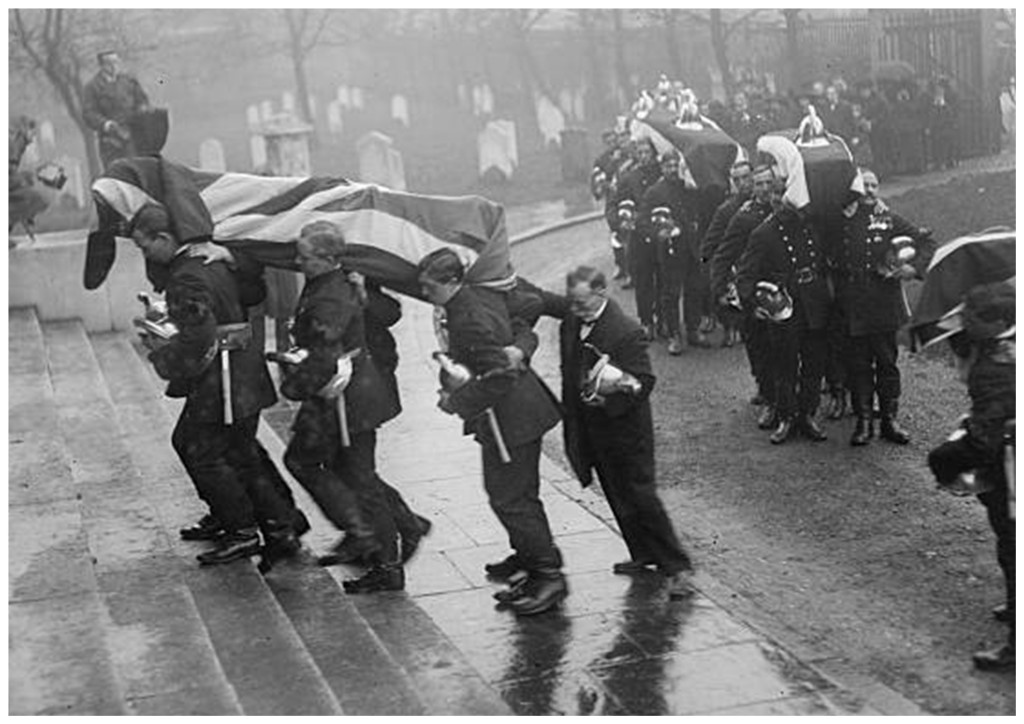
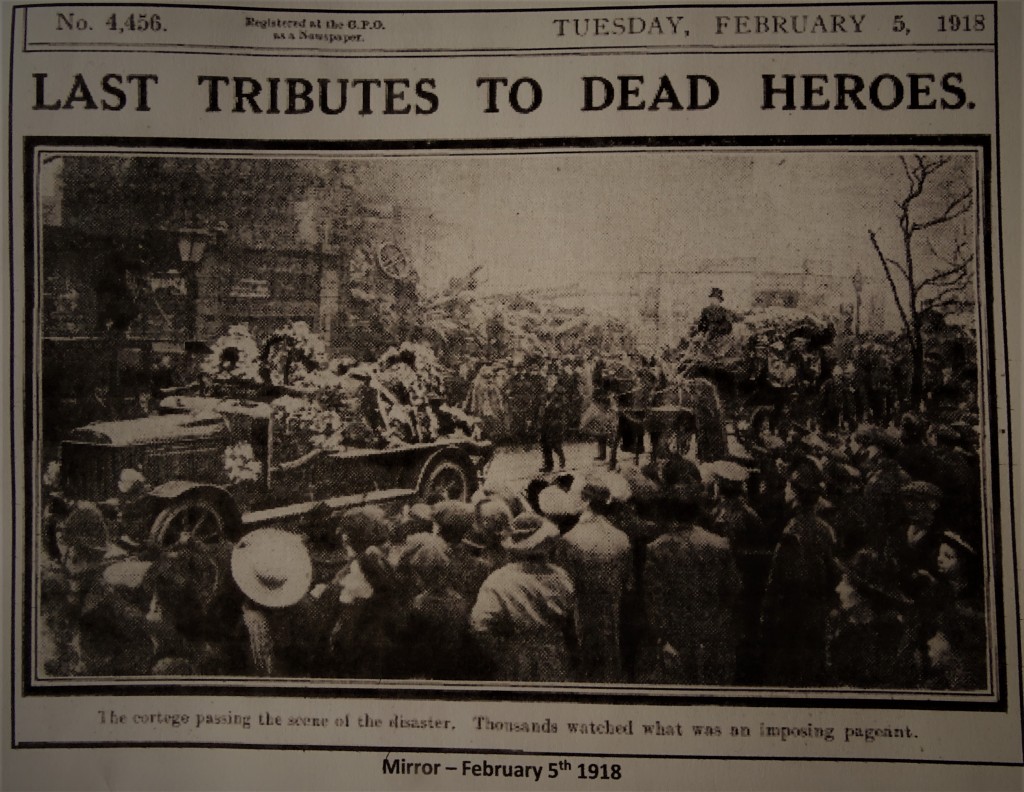


 A retired London Fireman